

What causes LED pendant flickering and how do you fix it first?
A LED pendant light may develop flickering for several reasons, but most cases come down to a short list: an incompatible dimmer, a loose bulb, loose wiring, a failing LED driver, or a voltage drop caused by other loads on the home electrical circuit.
To begin, focus on the fastest checks first. A loose bulb can create poor socket contact, and a bulb socket with a weak connection can interrupt current. In practical terms, a loose bulb causes intermittent flicker, so the first step is simple: turn the light off and make sure the bulb is seated properly. Tightening the bulb can solve simple flicker issues.
Next, check whether the LED pendant light connects to a dimmer switch. If it does, the switch becomes a major suspect. An incompatible dimmer causes flickering, especially when the fixture uses LEDs instead of incandescent bulbs. This is one reason pendant light dimmer compatibility is so important in any LED pendant light troubleshooting process.
After that, look at the pattern of the problem. If the light flickers only once in a while, the cause may be connection-related. If it flickers when appliances start, the issue may be tied to voltage fluctuations. If the flicker grows worse over time, a failing LED driver or worn internal component may be the real cause.
In short, the first round of troubleshooting should follow this order:
- check the bulb fit
- confirm the switch type
- observe when the flicker happens
- inspect the fixture condition
- decide whether the issue points to the fixture or the circuit
This approach works because secure electrical connections reduce flickering, while unstable ones increase it. If your pendant is part of a grouped setup, it can also help to review whether the installation method itself is contributing to instability, especially in shared wiring arrangements such as pendants to one junction box.
How dimmer compatibility affects an LED pendant flickering fix
For many homes, dimmer compatibility is the central issue. A dimmer switch controls LED pendant light output, but not every dimmer is designed to work with LEDs. In fact, an older dimmer switch may have been designed for incandescent or halogen loads. When paired with LEDs, it can create unstable control behavior.
This is where LED-compatible dimmer technology matters. An LED-compatible dimmer switch has one main purpose: stable dimming for LEDs. By contrast, a non-dimmable LED bulb on a dimmer circuit often performs poorly. A non-dimmable LED bulb conflicts with dimmer switch settings, and a non-dimmable LED bulb can produce flickering on dimmer circuits even when the bulb itself is new.

That means an led pendant flickering fix often starts with one key question: is the dimmer rated for LED use? If not, replacing the switch may solve the issue more effectively than replacing the fixture.
- LED-compatible dimmer helps prevent unstable dimming
- Incompatible dimmer switch can cause LED flicker
- LED-compatible dimmer improves control stability
- Dimmer switch has a compatibility requirement of LED-rated operation when used with LEDs
This matters even more with decorative hanging fixtures. Whether you are dealing with a standard bulb-based pendant or trying to fix flickering hanging light behavior in a more modern model, the switch and the lamp must work as a matched system.
So, if your LED pendant flickers mostly at lower brightness settings, during dimming transitions, or only when dimming is enabled, the dimmer is one of the first components to review.
How to troubleshoot a flickering LED pendant light step by step
A practical fix flickering pendant light routine should move from easy, low-risk checks to more technical ones. The goal is to identify whether the failure is in the bulb, the fixture, the switch, or the circuit.
Start with the bulb and socket. The bulb socket holds LED bulb, and the bulb socket often shows the first signs of wear or poor contact. A bulb socket with a failure sign of loose connection can create inconsistent performance. If the bulb appears worn or unreliable, replace it. A loose bulb has a direct fix: tighten securely.
Then inspect the switch condition. If the pendant is on a dimmer, confirm whether it is LED-rated. This is one of the most common steps in how to stop LED pendant light flickering and led pendant wiring check routines.
If the problem remains, turn off power at the breaker and inspect the connection area. The ceiling junction box contains fixture wire connections, and the ceiling wiring connects to junction box at this point. The ceiling junction box has the role of being the fixture wire connection point, which means a weak connection there can affect the whole light.
Once open, check the wire nuts and conductors. Wire nuts secure ceiling wiring, and wire nuts must remain tight and secure. The wire nuts should be in a condition that is tight and secure. If they are loose, heat-damaged, or poorly twisted, the circuit can become unstable.
This is also where danger enters the picture. Loose wiring creates arcing, loose wiring can create arcing hazard, and loose wiring can lead to intermittent light output. The loose wiring carries a risk of electrical arcing, while arcing itself has the hazard of fire risk. If you see discoloration or damage, stop and escalate the repair.
It is also worth checking the switch leg. Switch wiring should connect to live wire. More specifically, the live wire should connect to the switch. If the switch is miswired, the result can be unpredictable. Incorrect switch wiring can produce flickering behavior, and incorrect wiring leads to flickering.
If the existing ceiling point is unreliable and you are weighing alternatives rather than opening finished walls, you may also want to explore options for how to add lighting to a room without wiring, especially in spaces where a full electrical rework is not practical.
When a failing LED driver is the real problem
Many modern pendants are not built around a replaceable bulb alone. Instead, the fixture may be an integrated LED fixture or a full integrated LED pendant fixture. In that case, the light source depends on an internal control component.
The LED driver has the function of convert power for LED operation. Put another way, the LED driver supplies stable power to the LED. Because a LED pendant light uses LED driver, and an integrated LED fixture depends on driver module, the driver becomes critical to stable performance.
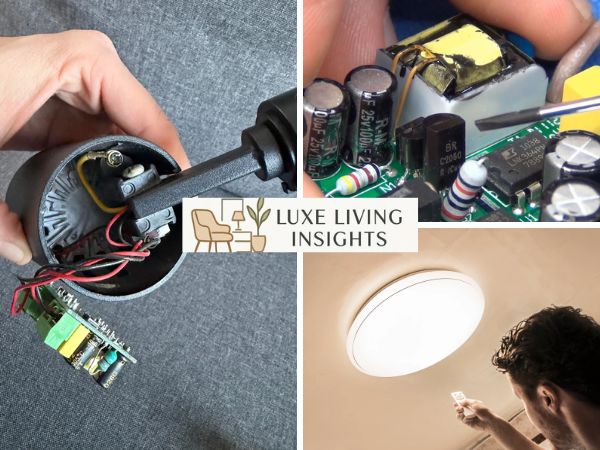
When that part begins to fail, symptoms often become more obvious over time. A failing LED driver causes unstable power, a failing LED driver can cause on-and-off flashing, and the LED driver shows a failure symptom of intermittent flickering. This is why integrated LED fixtures often require driver troubleshooting when simple bulb and dimmer checks do not solve the issue.
- the integrated LED fixture has a repair option of driver replacement
- a failing driver often points to LED driver replacement for pendant light
- integrated LED fixtures often require more technical service than bulb-based fixtures
If the driver is accessible and the fixture is worth saving, replacement may be reasonable. If not, the economics may shift toward full replacement.
How wiring and voltage issues can make a pendant light flicker
Not every flicker begins in the fixture itself. Sometimes the issue starts in the broader home electrical circuit.
One common pattern involves major appliances. Heavy appliances trigger voltage fluctuations, and heavy appliances can cause temporary voltage drops. The voltage fluctuations may have a source of heavy appliances, while heavy appliances can have the effect of a temporary voltage drop.
When that happens, the pendant may react instantly. Voltage drop affects LED pendant light, and voltage fluctuations can trigger pendant flickering.
This explains a familiar symptom: the light flickers when the refrigerator starts, the air conditioner cycles, or a washer motor kicks on. In that situation, the home electrical circuit may have a problem sign of lights flicker when appliances start. That does not automatically mean the pendant is faulty.
Wiring age also matters. An old fixture develops brittle internal wires, and an old fixture can reach a replacement trigger of repeated failures. If the same pendant continues to flicker after multiple repairs, age and internal wear may be part of the story.
At that point, a broader evaluation becomes necessary. A qualified electrician may be needed because a qualified electrician should handle complex electrical faults. Also, an electrician inspects home electrical circuit, and the electrician has the role of diagnose house wiring issues when the problem extends beyond the fixture.
Should you repair the flickering pendant or replace the fixture?
A good repair decision depends on fixture condition. If the issue is a loose bulb, a poor socket contact, or a mismatched dimmer, repair is usually straightforward. If the problem keeps returning, replacement may be the smarter path.
This is especially true when an integrated LED pendant repair becomes more expensive than the fixture is worth. In some cases, replacing the fixture may be better than repeated repair. If the driver is proprietary, the internal wires are brittle, or the pendant has already failed multiple times, replacement is often the cleaner long-term solution.
There is also a bigger decision behind the technical fix. A quality fixture should deliver stability, not repeated troubleshooting. If your current pendant repeatedly fails under normal conditions, the cost of ongoing fixes can exceed the value of keeping it.
When to call an electrician for a flickering LED pendant
Some problems cross the line from simple DIY to professional electrical work. If you find burnt wires, damaged insulation, evidence of arcing, or switch-leg confusion, stop working on the fixture.

A few warning signs matter most:
- burnt wires indicate a more serious electrical issue
- loose wiring may create a fire hazard
- home electrical circuit may need professional inspection
- the fixture flickers when large appliances engage
- the issue remains after bulb, dimmer, and driver checks
At that point, qualified electrician support becomes the safe next step. A qualified electrician can verify the switch wiring, inspect the breaker and branch circuit, test voltage stability, and determine whether the flicker is local to the fixture or systemic.
Quick checklist for an LED pendant flickering fix
| Checkpoint | What to confirm |
|---|---|
| Bulb | Tight fit, correct type, no visible damage |
| Socket | Stable contact, no looseness |
| Dimmer | LED-rated and compatible |
| Wiring | Tight splices, secure wire nuts, no scorching |
| Driver | No intermittent failure signs |
| Circuit | No flicker pattern tied to heavy appliances |
| Fixture condition | No brittle wires or repeated unresolved faults |
FAQs
Can a dimmer switch make an LED pendant flicker?
Yes. An older or incompatible dimmer can disrupt LED performance. In many cases, replacing it with an LED-compatible dimmer is the most effective fix.
Why does my pendant light flicker when appliances turn on?
That usually points to voltage fluctuations or a temporary voltage drop on the same home electrical circuit. Heavy appliances can momentarily affect available power.
Can a failing LED driver be replaced?
Often, yes. If the fixture uses an accessible driver and the pendant is worth repairing, replacement can restore stable operation.
Is flickering always caused by a bad bulb?
No. A loose bulb is common, but dimmer mismatch, loose wiring, incorrect switch wiring, driver failure, and circuit-level issues can also cause flicker.
Should I replace the fixture if the flickering keeps coming back?
If the pendant has repeated failures, brittle internal parts, or an expensive-to-source driver, replacement may be more practical than continued repair.
Conclusion
A reliable led pendant flickering fix starts with compatibility, safe connections, and accurate diagnosis. Leave a comment, share this guide, or read more lighting advice on luxelivinginsights. If you also maintain statement fixtures, our guide on how to clean crystal chandeliers safely may be useful.