What Do Upholstery Cleaning Codes Mean?
Upholstery cleaning codes are small manufacturer labels that explain the safest way to clean an upholstery fabric. They are usually shown as W, S, WS, SW or X. Each code connects the fabric to a specific cleaning method, helping you avoid shrinkage, water spots, color bleeding, mildew or texture changes.
The simple rule is this: the code tells you what the fabric can tolerate. A sofa may look strong, but its surface fibers, backing and dye can react badly to the wrong cleaner. That is why cleaning codes are not just care suggestions. They are practical fabric protection guides.
If you are working with synthetic upholstery, the code becomes even more useful. For example, a homeowner cleaning a polyester couch should still check the label before using water, foam or solvent. You can explore this in more detail in this guide on how to clean a polyester fiber couch.
Here is the quick meaning:
| Code | Meaning | Best Cleaning Method | Main Risk |
|---|---|---|---|
| W | Water based cleaner safe | Upholstery shampoo, foam cleaner, mild detergent | Over wetting |
| S | Solvent based cleaner only | Dry cleaning solvent, water free product | Water spots, shrinkage |
| WS | Water or solvent safe | Water based cleaner or dry cleaning solvent | Cleaner should still be tested |
| SW | Solvent or water safe | Similar to WS code | Wrong cleaner may affect color |
| X | Vacuum only | Vacuuming or light brushing | Liquid cleaners can damage fabric |
In short, upholstery cleaning code indicates cleaning method. The W code allows water based cleaner, the S code requires solvent cleaner, the WS code allows water based cleaner and dry cleaning solvent, and the X code prohibits liquid cleaners.
Where to Find Upholstery Cleaning Codes on Furniture
You can usually find upholstery cleaning codes on a furniture tag. Common places include under seat cushions, on the deck below the cushions, along the base of the sofa or underneath the furniture frame. On chairs, the tag may be tucked under the seat or attached near the back.
The upholstery tag contains the cleaning code, and the cleaning code tag appears under seat cushions on many store bought pieces. For reupholstered furniture, the original tag may be gone. In that case, check with the fabric manufacturer, the furniture retailer or the upholsterer.
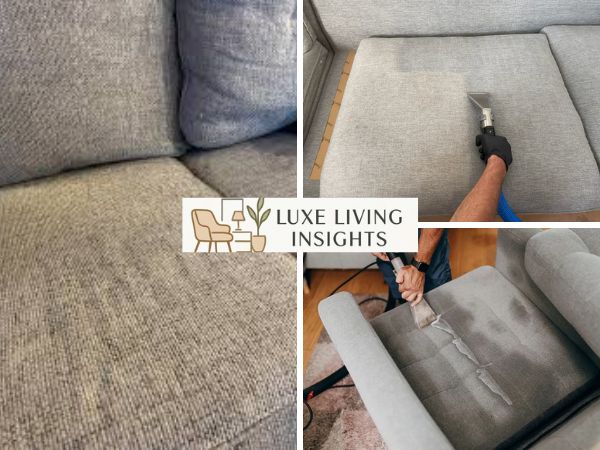
This matters for more than sofas. Dining chairs, benches and accent chairs can also carry fabric care labels. If you are choosing new seating, especially upholstered pieces, this guide to stylish upholstered dining chairs can help you think about fabric, comfort and maintenance together.
If the tag is missing, do not guess. A natural fiber, synthetic blend, velvet, chenille or performance fabric may need very different care. When you cannot confirm the fabric care tag, start with gentle vacuuming and contact a professional upholstery cleaner before using water or solvent.
How to Clean Upholstery With a W Code
A W code means the fabric can be cleaned with a water based cleaner. This is often the easiest upholstery cleaning code for homeowners because it allows mild detergent, upholstery shampoo or foam upholstery cleaner.
For spot cleaning, remove loose dirt first with a vacuum upholstery attachment. Then apply a small amount of cleaner to a clean cloth rather than pouring it directly on the fabric. Blot gently, work from the outside of the stain toward the center and avoid soaking the area.
The key meaning is clear: W code, cleaner type, water based cleaner. It also means W code, suitable method, upholstery shampoo and W code, risk, over wetting.
Water based cleaning can work well, but too much moisture can move deep into the cushion or fabric backing. This may cause mildew, rings or slow drying. So, even with W code fabric, use a light hand and let the surface dry with good airflow.
How to Clean Upholstery With an S Code
An S code means the fabric should be cleaned with a solvent based cleaner or dry cleaning product. It is not designed for water based cleaning. Water may cause fabric shrinkage, water spots, stiffness or dye movement.
For S code upholstery, use a water free solvent made for upholstery. Spray or apply the product according to the label, then blot carefully. Do not scrub aggressively because scrubbing can roughen fibers and spread stains.
This code carries several important relationships: S code requires solvent cleaner, S code excludes water based cleaning, and S code may cause water spots if treated incorrectly. It also means S code, water use, not recommended and S code, safety need, ventilation.
Solvent cleaners can produce strong fumes. Always work in a well ventilated room, keep the cleaner away from open flames and follow product safety instructions. If the stain is large or the fabric is delicate, professional cleaning is the safer choice.
How to Clean Upholstery With WS or SW Codes
A WS code or SW code means the upholstery can usually handle either a water based cleaner or a mild dry cleaning solvent. These are versatile codes, but they do not mean every cleaner is safe.
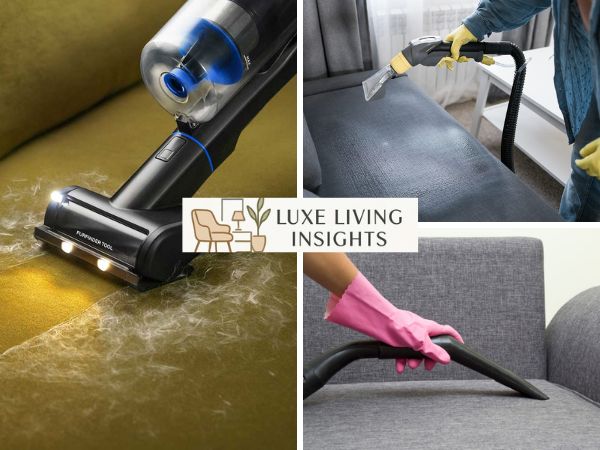
For light stains, a foam cleaner or mild detergent may work well. For oily stains, ink marks or unknown residue, a dry cleaning solvent may be more suitable. The WS code allows water based cleaner, and the WS code allows dry cleaning solvent. The SW code overlaps with WS code, so both codes suggest flexible cleaning options.
Still, pre testing is especially important. A fabric may tolerate both cleaning types in general, but color, texture or finish can still react. Use a hidden fabric area first, wait until it dries and check for bleeding, discoloration, water rings or texture changes.
If the issue is already a visible ring or water mark, choose the next step carefully. You may find practical help in this related guide on how to get water stains out of fabric chairs, especially when dealing with upholstered seating and fabric surfaces.
How to Clean Upholstery With an X Code
An X code is the strictest upholstery cleaning code. It means the fabric should be cleaned only by vacuuming or light brushing. Do not use water. Do not use solvent. Do not use foam cleaner.
The relationship is direct: X code allows vacuuming, X code allows light brushing, and X code prohibits liquid cleaners. In simple terms, X code, cleaner type, no liquid cleaner, X code, suitable method, vacuuming, and X code, secondary method, light brushing.
For X code fabric, use the upholstery attachment on your vacuum to lift dust, crumbs, pet hair and surface dirt. A soft brush can help loosen debris from textured fabric. If there is a serious stain, call a professional rather than experimenting with liquid products.
How to Test Upholstery Cleaner Before Cleaning
Before using any cleaner, always pre test. The cleaning test location should be a hidden fabric area, such as the back edge of a cushion, the underside of the seat or a concealed seam. This step helps confirm that the cleaner will not damage the fabric.
Pre testing can prevent discoloration, color bleeding, water spots and texture changes. In simple terms, pre testing checks fabric color stability, and hidden fabric areas support cleaner testing.
Apply a small amount of cleaner, blot gently and let it dry fully. Do not judge the result while the fabric is still damp. Once dry, look for fading, rings, stiffness, roughness or color transfer. If anything changes, stop and choose a safer cleaning method.
Common Upholstery Cleaning Mistakes That Damage Fabric
Many upholstery problems happen because the wrong cleaner is used for the code. A W code fabric can handle water based cleaner, but it can still be damaged by over wetting. An S code fabric can be damaged by water. An X code fabric can be damaged by any liquid cleaner.
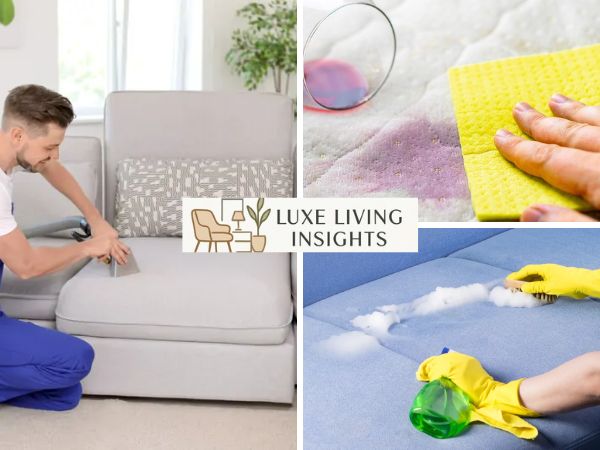
Common mistakes include:
- Using water on S code fabric, which may cause shrinkage or water spots
- Using solvent on X code fabric, which can harm the material
- Skipping the pre test, which increases the risk of discoloration
- Scrubbing stains aggressively, which can spread residue and damage fibers
- Soaking the fabric, which increases mildew risk
- Ignoring ventilation, especially when using solvent based cleaners
The most important rule is simple: match the cleaner to the code. Upholstery cleaning codes define safe fabric cleaning methods, and cleaning codes help prevent fabric damage.
Fabric type also affects long term care. Some luxury materials need more caution than everyday synthetic upholstery. If you are comparing options before buying, this article on stunning luxury sofa fabrics can help you understand how fabric choice influences comfort, style and maintenance.
When Should You Call a Professional Upholstery Cleaner?
You should call a professional upholstery cleaner when the code is missing, the stain is large, the furniture is expensive or the fabric is delicate, vintage or high value. Professional cleaning is also wise for overall dirt, strong odors, pet accidents or stains that have already set.
This is especially true for S, WS, SW and X fabrics. A professional has better tools, controlled cleaning methods and fabric knowledge. In relationship form, professional cleaner handles uncertain fabric care, and professional cleaners manage difficult upholstery stains.
If you feel unsure, do not keep testing stronger products. More cleaner does not mean better cleaning. It often means more risk.
Simple Upholstery Care Tips to Keep Fabric Looking New
Daily care makes deep cleaning easier. Vacuum upholstered furniture regularly with an upholstery attachment to remove loose dirt before it settles into the fibers. Vacuum under cushions too, since crumbs and dust often collect there.
Blot spills immediately with a clean, absorbent cloth. Do not rub. Immediate blotting reduces spill absorption, while rubbing pushes stains deeper. If your cushions are reversible, rotate and flip them to distribute wear and reduce uneven soiling.
Good upholstery maintenance also includes keeping fabric away from harsh sunlight, managing pet hair often and treating stains as soon as they happen. These habits support cleaner fabric, better appearance and longer furniture life.
Important FAQs About Upholstery Cleaning Codes
What does W mean on upholstery cleaning codes?
W means the fabric can be cleaned with a water based cleaner. Suitable options may include upholstery shampoo, foam cleaner or mild detergent. However, W does not mean machine washable. Avoid over wetting the fabric.
What does S mean on a sofa cleaning tag?
S means the upholstery should be cleaned with a solvent based cleaner or dry cleaning product. Water should not be used because it may cause water spots, shrinkage or fabric damage. Use solvent cleaners with good ventilation.
Is WS the same as SW upholstery code?
WS and SW are generally used to show that the fabric can be cleaned with either water based cleaner or dry cleaning solvent. Even so, the cleaner should be tested on a hidden area before full cleaning.
What does X mean on upholstery fabric?
X means the fabric should be cleaned only by vacuuming or light brushing. Do not use water, solvent, foam or liquid cleaners. For stains, contact a professional upholstery cleaner.
Where is the upholstery cleaning code tag located?
The tag is usually under seat cushions, on the deck beneath the cushions, along the furniture base or underneath the frame. If the tag is missing, ask the manufacturer, retailer or upholsterer before using any cleaner.
Conclusion
Understanding upholstery cleaning codes helps protect your furniture, prevent fabric damage and clean with confidence. For more practical home care and interior guides, visit luxelivinginsights, share this article or leave a comment with your upholstery cleaning questions.