
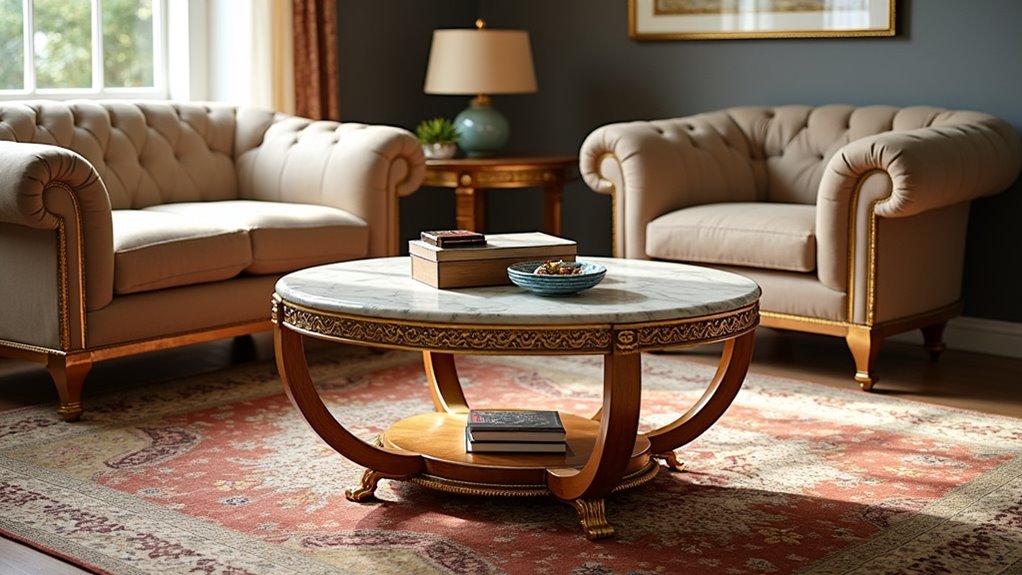
How to Remove Water Stains from a Wood Coffee Table
Water stains on a wood coffee table can usually be removed without sanding if you identify the type of damage first. White or cloudy rings are caused by trapped moisture beneath the protective finish (such as polyurethane, lacquer, or wax) and typically respond to controlled heat or oil-based treatments. Dark brown or black marks signal deeper moisture intrusion into the wood fibers, often leading to oxidation that may require bleaching or refinishing. Proper diagnosis prevents unnecessary surface damage.
The 10-Second Diagnostic: Identify the Stain Type First
Before attempting any repair, determine whether the issue affects only the finish layer or the wood beneath it.
- White or Cloudy Ring? Moisture is trapped within the surface coating. The underlying wood is usually intact. Use controlled heat or an oil-based method to release the vapor.
- Dark Brown or Black Mark? Water has penetrated beyond the finish and into the fibers, causing oxidation or potential mold staining. Surface treatments may not be enough—bleaching or refinishing could be required.
- Sticky or Soft Surface? The topcoat is deteriorating due to heat or chemical breakdown. Stop immediately and seek professional restoration advice.
White Rings vs. Black Stains
Before grabbing your supplies, you must identify the “Entity” of the damage. Not all water stains are created equal.
- White Stains (Cloudy Rings): These indicate that moisture is trapped in the finish (the wax, lacquer, or polyurethane layer). The wood itself is usually unharmed. This is the most common issue on beautiful coffee tables that elevate your space.
- Black Stains (Dark Marks): These occur when water has bypassed the finish and reached the wood fibers, causing oxidation or mold. These require more intensive treatment, often involving wood bleach or professional sanding.
This guide focuses primarily on white stains the “ghost rings” that haunt our surfaces.
Pro-Grade DIY Toolkit
|
|
1. The Heat Transfer Method (Dry Iron)
This is arguably the most effective “Search Intent” solution for stubborn, deep-set white rings. It works by gently reheating the finish, allowing the trapped moisture to evaporate and escape through the pores of the topcoat.
How to Execute:
- Ensure the iron is completely dry (no water in the reservoir, steam setting OFF).
- Lay a clean, 100% cotton cloth (like a T-shirt) over the stain.
- Set the iron to Low-Medium heat.
- Place the iron on the cloth for 10-15 seconds. Do not keep it stationary; move it in a circular motion.
- Lift the cloth to check progress. Repeat until the moisture vanishes.
Pro Tip: Excessive heat can melt certain modern lacquers. Always start at the lowest setting, especially on affordable modern coffee tables which may use thinner veneers.
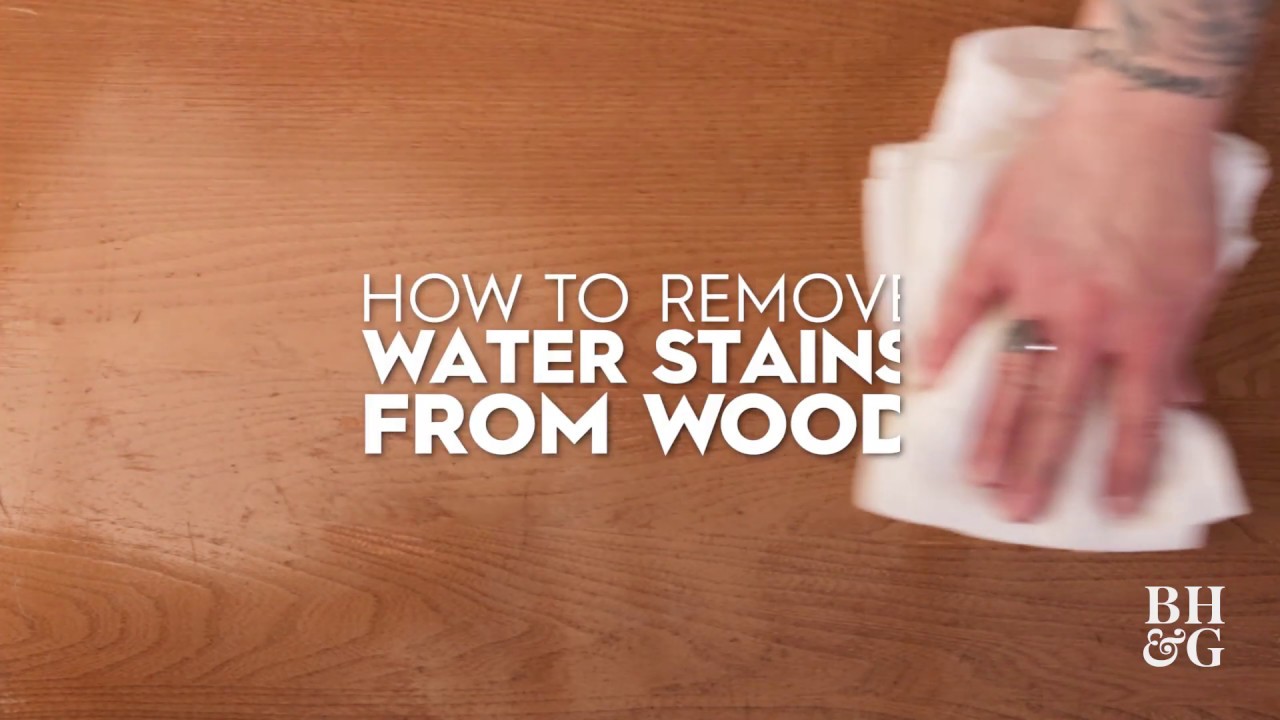
This is a detailed instructional video on how to do it.
2. Mayonnaise or Petroleum Jelly
It sounds counterintuitive, but the high oil content in mayonnaise acts as a displacement agent. The oil molecules are heavier than water; they penetrate the finish and “push” the moisture out while re-hydrating the wood finish.
The Process:
- Dab a generous amount of full-fat mayonnaise onto the ring.
- Let it sit for at least 3 hours. For older stains, leave it overnight.
- Wipe away with a microfiber cloth and buff the area.
This method is exceptionally safe for solid wood coffee tables on sale, as it mimics the effects of a traditional wood conditioner.
3. Baking Soda and Toothpaste
When moisture creates a physical texture or “haze” on the surface, a mild abrasive can help level the finish and lift the stain. This is a form of mechanical restoration.
:strip_icc()/how-to-remove-water-stains-from-wood-2-5663121jpg-3c7952d32eec40a5b7b3fc6a5606cb35.jpg)
The Formula:
Mix one part non-gel, non-whitening toothpaste with two parts baking soda to create a thick paste. Rub the mixture gently with the grain of the wood. The baking soda acts as a micro-exfoliant for the finish, while the toothpaste provides a binding agent that lifts the moisture particles.
4. Vinegar and Olive Oil
Vinegar’s acetic acid breaks down the mineral deposits left by hard water, while olive oil restores the luster. This is the preferred method for custom modern coffee tables that feature unique, handcrafted finishes.

Mix equal parts of both ingredients. Apply with a soft cloth and buff until the stain disappears. This method is essentially a “clean and polish” hybrid that works wonders on light water damage.
5. Hairdryer Technique
For fresh stains (less than 24 hours old), a hairdryer is the safest route. It uses targeted airflow to draw out moisture without the direct contact risk of a clothes iron.
Step-by-step: Set the hairdryer to high heat. Hold it 3–5 inches away from the stain and move it back and forth. You will literally see the white ring fade away as the moisture evaporates.
Matching Methods to Wood Finishes
The success of your DIY project depends on the “Entity” of the wood finish. Below is a semantic reference table for 2026 furniture owners:
| Finish Type | Best Method | Risk Level |
|---|---|---|
| Polyurethane (Modern) | Iron Method / Hairdryer | Low |
| Wax / Oil Finish | Mayonnaise / Olive Oil | Very Low |
| Lacquer / Shellac | Toothpaste / Baking Soda | Moderate (Can dull shine) |
| Veneer (Thin Wood Layer) | Hairdryer (Gentle) | High (Glue can loosen) |
Protecting Your Investment
Once you’ve restored your table, the goal is maintenance. Just as you would learn how to get water stains out of fabric chairs to keep your seating pristine, your coffee table needs a defensive strategy.
- Use Coasters: Invest in high-quality cork or stone coasters that absorb condensation.
- Apply a High-Quality Wax: A semi-annual application of carnauba wax provides a sacrificial barrier against moisture.
- Mind the Humidity: Use a dehumidifier in the summer to prevent the wood from “breathing” in too much ambient moisture.
FAQs
Can I use a steam iron to remove water stains?
No! Always use a dry iron. Steam introduces more moisture into the wood, which can turn a small white ring into a large permanent haze.
How long do water stains take to disappear with Mayonnaise?
Most stains lift within 3 hours, but for “ghost rings” that have been there for months, leaving the mayo overnight is highly recommended.
Will vinegar ruin the finish of my coffee table?
Pure vinegar is acidic and can dull the shine. Always mix it 1:1 with olive oil to neutralize the acidity and protect the finish.
Final Thoughts
Getting water stains out of a wood coffee table is a test of patience and physics, not just elbow grease. By understanding whether you are dealing with a surface-level white ring or deep-seated moisture, you can choose a remedy that restores your furniture to its former glory. Remember: always test a small, inconspicuous area first!
Looking for more home maintenance tips? Check out our guides on keeping your living room furniture in peak condition.
Source:
- https://i.ytimg.com/vi/GT3wAOUep80/maxresdefault.jpg
- https://encrypted-tbn0.gstatic.com/images?q=tbn:ANd9GcTThUoUYzRc05eX3kQgqsvwJCL1yei-ZakPLQ&s
- https://www.bhg.com/thmb/Z8UphFSvF6HBqHQPDOntWXxDCJc=/3000×0/filters:no_upscale():strip_icc()/how-to-remove-water-stains-from-wood-2-5663121jpg-3c7952d32eec40a5b7b3fc6a5606cb35.jpg
Articles on the same topic:
-
Top 3 Coffee Table and Side Tables Set Ideas for Your Home
-

Top 5 Best Designer Coffee Tables for Your Home
-

Top 7 Best Square Coffee Tables for Your Home
-

7 Best Small Round Coffee Tables for Your Space
-

Top 3 Home Furniture Coffee Tables for Your Living Room
-
Top 5 Lift Top Round Coffee Tables for Your Home