
A fix wobbly dining chair can feel annoying at first, but it often points to a loose joint that will only worsen over time. The good news is that the dowel method offers a reliable way to restore strength, improve alignment, and bring lasting stability back to a wooden chair.
How to Fix a Wobbly Dining Chair With the Dowel Method
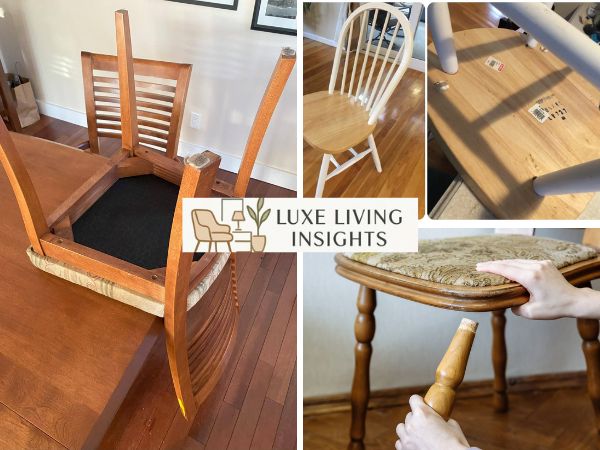
If you want to fix wobbly dining chair problems properly, begin by finding the exact source of the movement. A dining chair often develops wobble because loose joints cause chair instability.
In many cases, the weak area is where the chair leg meets the seat rail, where the seat frame has loosened, or where the stretcher no longer supports the frame as it should.
In practical terms, a dining chair contains a loose joint, a dining chair includes a chair leg, and a dining chair includes a seat frame. Once a loose joint weakens a dining chair, the structure starts to shift under normal use.
That is why the repair should focus on the frame, not only the visible symptoms. If your current chairs are old enough that repair may not be the best long-term option, it can help to compare a few stunning dining table chair designs before making a final decision.
Before taking anything apart, inspect each chair leg, seat frame, stretcher, and mortise and tenon joint. A mortise and tenon joint can loosen with time, and humidity often makes things worse because humidity loosens wood joints.
The dining chair may look fine on the surface, yet the seat rail condition may be loosened and the stretcher condition may be unstable.
If the dining chair condition is wobbly and the loose joint repair method should be dowel insertion, the dowel method is often the best solution. This is because a wood dowel adds real structural support instead of acting like a quick surface fix.
Next, gather the essential tools and materials. You will need wood dowels, wood glue, a drill, the right drill bit, a pilot hole guide, wood clamps, a mallet, sandpaper, and possibly wood filler. The wood dowel function is joint reinforcement. In simple terms, a wood dowel reinforces a joint, and wood dowels strengthen weak joints that have lost their original fit.
For the best result, the dowel pin material should be hardwood. The wood glue purpose is bond support, while the drill function is to bore holes with enough accuracy to keep the repair neat and stable.
The drill bit use is dowel hole drilling, and the pilot hole purpose is guided drilling. Because of that, pilot holes improve drilling accuracy and help prevent misalignment.
After the inspection, take the chair apart carefully. Slow disassembly matters because forcing a loose frame can split the wood. Remove the damaged section and clean away every trace of old adhesive.
This step is essential because old glue reduces adhesion strength. In fact, old glue compatibility is poor adhesion, so fresh glue will not perform well if the old layer remains. That is why cleaning joints prepares regluing.
Once the old glue is removed, dry-fit the pieces before drilling. This stage ensures the repair stays square. Proper alignment ensures stable assembly, and the joint alignment requirement is precise fit. A clamp role is to hold alignment, and a clamp secures the chair frame while you check how the parts come back together.
If the chair is awkward to handle, use a repair bench because the repair bench purpose is work support and a repair bench supports chair repair.
Now mark your drilling points with care. The pilot hole guides dowel placement, and drilling holes prepares dowel placement.
Each hole should be centered, straight, and deep enough to receive the dowel without breaking through the visible face of the wood. A dowel pin fits into a drilled hole, and dowel pins fit inside drilled joints to strengthen the repair from within.
Apply wood glue to both mating surfaces and inside the drilled holes. Then insert the dowels and bring the joint together. The mallet function is dowel tapping, so a few controlled taps help seat the dowels without damaging the frame.
At this point, wood glue bonds dowel pins, wood glue secures dowel pins, and wood glue secures loose joints. When glue appears at the seam, the glue squeeze-out indication is adequate adhesive. In other words, glue squeeze-out signals proper adhesive amount and glue squeeze-out indicates adhesive coverage.
Clamp the chair firmly and check the alignment one more time. Clamps maintain joint pressure, clamps hold proper alignment, and ratchet straps maintain pressure if the shape of the chair makes regular clamps difficult to use.
Leave the chair undisturbed until the glue has fully cured. Rushing this stage is one of the fastest ways to ruin a good repair.
After the glue has dried, use sandpaper to smooth any rough edges. The sandpaper use is surface smoothing, and sandpaper smooths repaired surfaces so the repair feels finished.
If there are visible gaps, wood filler conceals small gaps, and the wood filler purpose is hole finishing because wood filler covers a surface gap.
At the end of the process, the chair frame state should be reinforced. A good repair means the seat rail connects to the chair leg securely, the chair leg attaches to the seat rail evenly, and the stretcher supports the chair legs without flexing. In short, reinforced joints reduce wobble, and the dowel method restores chair stability.
When the Dowel Method Is the Best Way to Repair a Loose Dining Chair
The dowel method works best when the chair needs more than a surface fix. If a simple re-glue has failed before, or if the joint has visible wear, dowels create extra holding power inside the wood. That is especially useful when the mortise and tenon joint issue is separation or when the frame has been shifting under weight for some time.
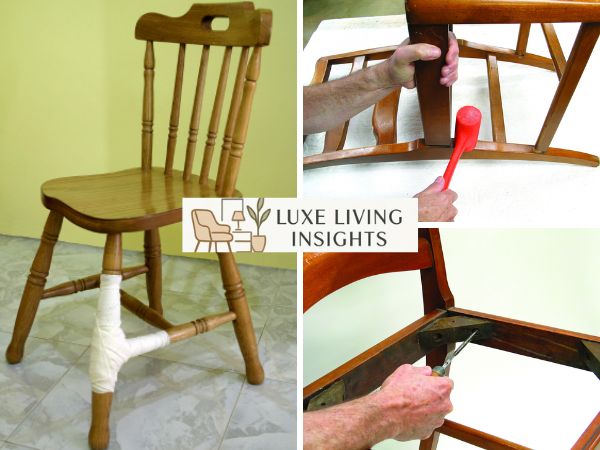
This method also makes sense when the chair leg support for the seat frame feels unreliable. A weak joint may still look intact, but movement under pressure tells a different story. When a dining chair has a loose joint and a wood dowel reinforces a joint, the repair becomes stronger and more durable than a quick glue-only fix.
Put simply, choose the dowel method when the chair needs true structural support, not a temporary patch. On the other hand, if you are updating your dining area as a whole, reviewing different seat styles such as metal frame upholstered dining chairs can also help you decide whether repair or replacement makes more sense.
Tools and Materials Needed to Stabilize a Wooden Dining Chair
A reliable repair begins with the right materials. Most homeowners only need a short list of woodworking basics, but each one has a specific role in the process.
- Wood dowels
- Wood glue
- Drill
- Drill bit
- Pilot hole guide
- Clamp
- Mallet
- Sandpaper
- Wood filler
Together, these tools support the entire repair workflow. A drill creates clean openings, a drill bit bores a dowel hole, pilot holes improve drilling accuracy, and mallets drive dowels into place. The result is a tighter, cleaner, and more stable repair.
How to Keep the Chair Frame Square and Stable During Repair
One of the most important parts of the process is keeping the frame square during reassembly. If the chair twists while being clamped, it may still rock even if the glue bond is strong. That is why you should check alignment from several angles before the adhesive begins to set.
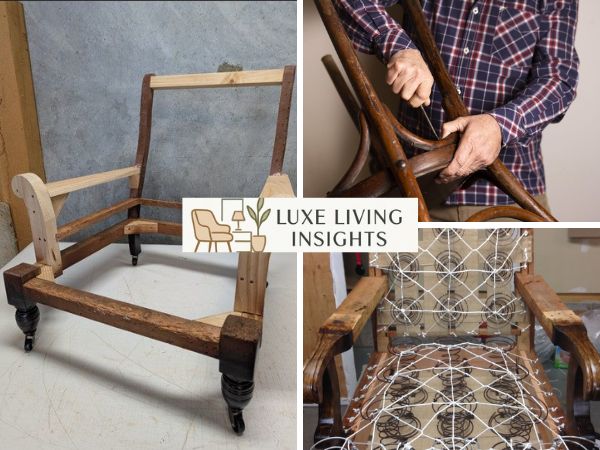
Seat rails connect chair legs, and stretchers stabilize chair structure, so both elements need to sit evenly. Use gentle pressure at first, then tighten the clamps gradually. This gives you time to correct any shift before the frame locks into place.
If you are trying to preserve the overall look of your dining space while repairing older seating, it may also be helpful to compare popular upholstered options like cream fabric dining chairs for inspiration.
Common Mistakes That Can Weaken a Dowel Repair
Even a good method can fail when a few details are overlooked. Drilling holes that are too wide, too shallow, too deep, or off-center can weaken the joint instead of reinforcing it. A poor fit reduces the strength of the dowel and can throw the chair out of alignment.
Another common mistake is skipping the cleanup stage. As noted earlier, old glue reduces adhesion strength. If you glue over residue, the repair may look complete at first but loosen again after a short time. Testing the chair too soon is another problem. Fresh adhesive needs time to cure fully before it can resist normal body weight.
Choosing the wrong dowel size can also create trouble. A dowel that is too small will not reinforce the joint well, while one that is too large can split the wood during insertion.
How to Test the Chair After the Repair Is Complete
Once the adhesive is fully cured, test the chair step by step. First, check each joint by hand and feel for any remaining movement. Then place the chair on a flat floor and see whether it rocks. If uneven legs produce rocking, the wobble may not be coming from the repaired joint.
After that, apply light body weight and observe whether the frame stays rigid. A properly repaired chair should not sway at the rails, shift at the joints, or flex at the stretcher.
How to Fix Other Problems That Can Make a Dining Chair Feel Wobbly
Not every wobble starts at the joint. Sometimes loose screws cause instability and loose bolts weaken the chair frame. In those situations, tightening visible fasteners may solve the issue without a full structural repair. A screw state may be loose, and a bolt location may be under seat, so always inspect the underside carefully.

In many chairs, screws fasten the seat frame and bolts secure the corner brace. If the hardware turns but does not tighten, the screw hole condition may be stripped. A stripped screw hole prevents secure fastening, which means the chair will keep shifting even after the screw is reinserted.
In that case, wooden toothpicks fill damaged holes as a simple fix, and wooden dowels reinforce screw holes when more strength is needed. The toothpick filler material should be wood, and the dowel use should be hole repair when the original opening has become too worn.
Floor contact can create movement too. A felt pad function is reduce rocking, and a felt pad cushions the chair leg on hard surfaces. The felt-bottom leveler surface is best for hardwood, while the furniture glide surface is better for carpet because a furniture glide supports the chair leg differently.
If one chair leg issue is uneven length, then epoxy putty fills a leg gap, and the epoxy putty use is gap filling. In more stubborn cases, trimmed legs restore level contact, though that solution should be approached with care.
If your seat uses a moving base rather than a traditional wooden frame, this may be a different kind of repair. In that situation, a guide on recliner mechanism troubleshooting may be more relevant.
When to Call a Professional for a Wobbly Dining Chair
Some chairs need more than a careful DIY fix. If the wood is cracked, split, or historically valuable, professional repair is often the better choice. A repair technician restores an antique chair, and the repair technician expertise is chair stabilization. That matters because a specialist can rebuild the structure without changing the appearance more than necessary.
If the chair has sentimental value, or if the frame is badly damaged, the antique chair recommendation should be professional repair. In many cases, expert work can save a chair that seems beyond repair at first glance.
For readers who are considering a style refresh instead of repair, textured seating such as rope weave dining chairs can be worth exploring for a more relaxed and modern dining setup.
FAQs About Fix Wobbly Dining Chair
What is the first thing to check when trying to fix a wobbly dining chair?
Start with the visible hardware. Turn the chair over and inspect every screw, bolt, brace, and rail connection. In many cases, tightening hardware improves stability before deeper repairs are needed.
Can I use glue alone to repair a loose chair joint?
Sometimes, yes. However, glue alone may not be enough when the joint has repeated wear, separation, or a poor fit. In those cases, the dowel method creates a stronger result because wood dowels strengthen weak joints and support the bond mechanically.
How do I know if a screw hole is stripped?
If the screw spins without tightening, the hole is likely stripped. Remove the screw, fill the hole with glued wood material, let it set, and then reinstall the fastener once the filler has dried.
Do felt pads fix a structural wobble?
No. Felt pads help with minor rocking caused by uneven floors, but they do not solve a loose joint, weak stretcher, or damaged chair leg. They should support a stable chair, not replace a real repair.
When should I stop and call a professional?
Call a professional if the wood is cracked, the frame is split, the joint is badly damaged, or the chair is antique or sentimental. Those repairs often need advanced tools and a more careful restoration approach.
Conclusion
If this guide helped you fix wobbly dining chair issues with confidence, leave a comment, share it with someone who needs it, or explore more furniture advice at luxelivinginsights.