
Where Should Under Cabinet Lighting Be Placed for the Best Countertop Light?
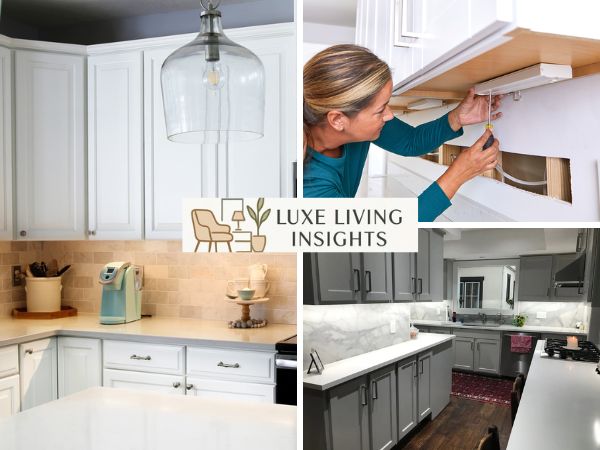
For most kitchens, the best under cabinet lighting placement is near the front underside of the cabinet, just behind the cabinet face frame or front edge. This position sends light directly down onto the countertop instead of only brightening the backsplash.
That matters because the main function of under cabinet lighting is task lighting. It should help you chop vegetables, read recipes, prepare coffee, clean counters, and work safely with sharp tools. When the light is mounted too far back, your hands and body may cast shadows over the work surface. When the light is placed near the front edge, LED strips brighten the countertop before shadows become a problem.
A good rule for many kitchens is to install LED strip lights about 1 to 2 inches back from the front cabinet edge, or roughly 50 to 60mm from the front. This keeps the light close enough to the work area while preventing the fixture from shining straight into your eyes.
If your cabinet has a front rail, place the light about 2 to 3 inches backward so it sits behind the trim. This helps conceal the fixture while still directing useful light onto the counter. A cabinet light rail also works as a clean visual shield because it hides the lighting fixture from normal viewing angles.
If you are also planning lighting in other parts of the home, this same idea applies. The fixture should support how the space is used, not just how it looks. For broader inspiration, you can explore this guide on how to decorate your room with lights.
In short, front placement is usually the best position when your goal is strong kitchen task visibility, reduced countertop shadows, and direct workspace brightness.
Front vs. Back Placement: Which Under Cabinet Lighting Position Works Better?
The choice between front and back placement depends on your countertop finish, backsplash material, and how you use the kitchen.
Front placement works best for everyday food prep. It allows downward-facing LEDs to brighten the work surface, improve cooking safety, and reduce body-cast shadows. This is ideal for matte countertops, butcher block, honed stone, laminate, or other surfaces that do not create strong reflections.
Back placement works better when your kitchen has glossy surfaces. Polished quartz, shiny granite, glass tile, mirrored backsplash, and reflective stone can bounce light into your eyes. In that case, mounting the light closer to the back or inside the cabinet face frame and aiming it toward the backsplash can reduce glare.
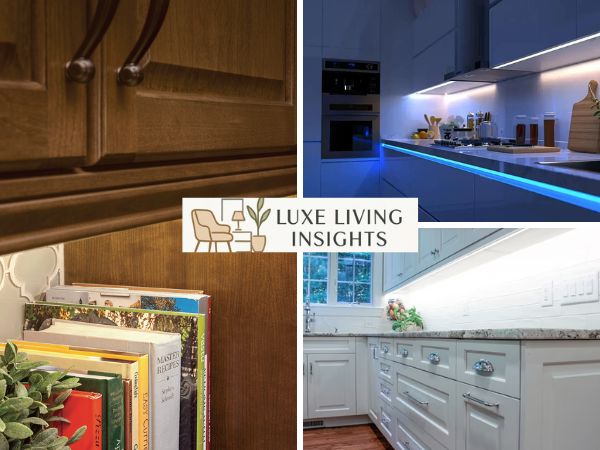
A reflective backsplash can increase visual glare, while glossy countertops may reflect under cabinet light. So the best placement is not always the brightest position. It is the position that gives enough light without discomfort.
A middle position can work in some kitchens when the countertop needs balanced light. However, it often performs as a compromise. It may not be as strong as front placement for task lighting, and it may not control glare as well as back placement.
How Far From the Front Edge Should Under Cabinet Lights Be Installed?
For most under cabinet LED strip placement, start with a setback of 1 to 2 inches from the front edge. This distance gives strong countertop illumination and keeps the strip discreet.
If your cabinet has a face frame, front rail, or light rail molding, the position should shift slightly backward. In that case, a 2 to 3 inch setback can help the fixture stay hidden behind the front trim.
| Kitchen Situation | Best Placement | Main Benefit |
|---|---|---|
| Matte countertop | Near front underside | Strong task lighting |
| Glossy countertop | Closer to back or angled toward backsplash | Reduced glare |
| Cabinet with light rail | Behind the rail | Hidden fixture |
| Puck lights | Centered under each cabinet box | Even light pools |
| Long countertop | Continuous LED tape run | Smooth light coverage |
The exact distance also depends on cabinet depth and fixture size. A shallow cabinet may need a tighter placement, while a deeper cabinet may allow more flexibility. Before final installation, test the light with the countertop and backsplash in place.
How to Position LED Strip Lights Under Cabinets
LED strip lights and LED tape lights are popular because they are slim, efficient, and easy to hide. Their ultra-thin profile makes them almost invisible when placed behind the cabinet face frame or light rail.
For the best result, install LED tape lights in a straight line under the cabinet. Face the LEDs downward when you want direct countertop brightness. This creates a continuous wash of light, which is better for long work areas than a few isolated bulbs.
LED tape lights also use low electricity, produce minimal heat, and can be dimmable. A dimmer switch controls under cabinet brightness, so you can use strong light for cooking and softer light at night.
For longer counters, LED tape can often run across a long span from one power source. In many designs, it can cover up to 16 feet from a single power source, depending on the product. If there are gaps around a sink, window, or appliance, the wiring can connect separated lighting sections through or behind cabinets.
The key is simple: LED strips should be mounted near the front edge when task lighting is the priority.
How to Position Puck Lights Under Cabinets
Puck lights work differently from LED strips. Instead of creating one continuous line of light, they create focused pools of brightness. For even distribution, puck lights should be centered under each cabinet box.
This placement helps each cabinet section illuminate its own countertop area. If puck lights are spaced too far apart, the counter may have bright spots and dark gaps. If they are placed too close to the cabinet front, they may feel harsh. If they are placed too far back, they may mostly highlight the backsplash.
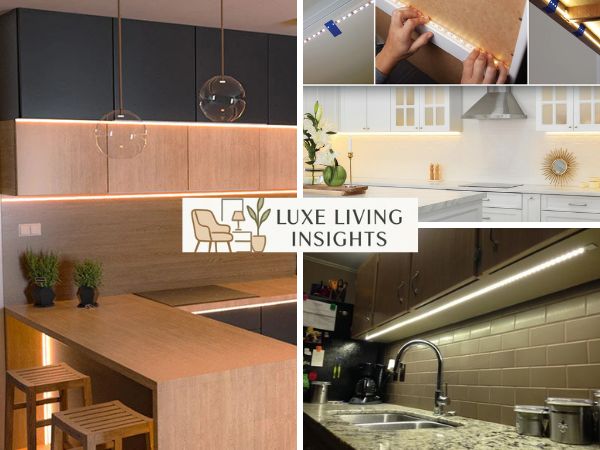
Puck lights are useful when you want a more decorative lighting effect or when focused light fits the kitchen style. Still, for large prep zones, LED strips often provide smoother and more practical coverage.
How to Reduce Glare, Shadows, and Reflections With Better Placement
Good countertop lighting layout is not only about brightness. It is also about comfort.
To reduce shadows, keep the lighting in front of where your hands usually work. This is why front placement improves kitchen task lighting. Upper cabinets block ceiling light coverage, so under cabinet lights need to fill the countertop zone from the right angle.
To reduce glare, study your surfaces. A polished countertop or reflective backsplash can intensify glare. If light bounces into your eyes, move the fixture toward the back or angle it toward the backsplash. This is especially helpful for glossy stone, glass tile, or high-shine quartz.
To improve comfort further, choose dimmable under cabinet lights. Bright light is useful during food preparation, while softer light works well as a nightlight. This gives the kitchen a safe path at night without flooding the whole room with ceiling light.
Soft lighting can also change how a room feels after dark. If you want a warmer atmosphere beyond the kitchen, this guide on how to create sexy mood lighting at home explains how light level, placement, and glow can shape a more relaxed mood.
How to Hide Under Cabinet Lighting for a Cleaner Kitchen Look
A good lighting plan should make the countertop bright, not make the fixture obvious. That is why concealment matters.
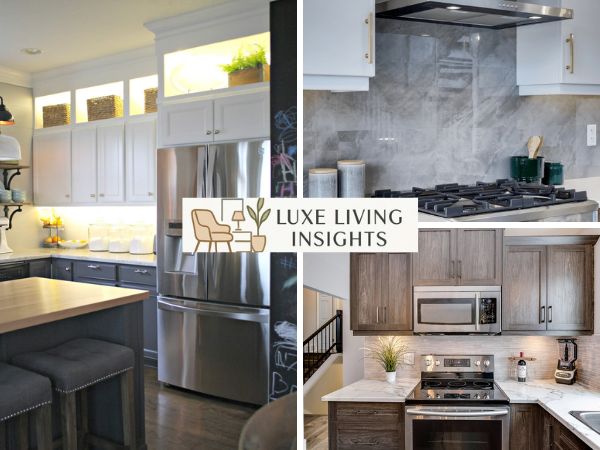
A light rail molding is one of the best ways to hide under cabinet lighting. It attaches to the lower front edge of the cabinet and blocks the direct view of the fixture. The light still reaches the counter, but the hardware stays visually quiet.
A cabinet face frame can also hide LED tape lights. Since LED tape is thin and low profile, it can sit neatly behind the front cabinet edge. This creates a clean, built-in look without bulky fixtures.
Wiring should also stay hidden. It can often run behind cabinets, through cabinets, or across cabinet tops. When wiring connects lighting around sink gaps or appliance breaks, it should be planned carefully so the final look remains tidy.
If your home has areas where hardwiring is difficult, you may also find practical ideas in this guide on how to add lighting to a room without wiring. While under cabinet lighting is often installed as part of a kitchen plan, the same no-clutter thinking can help in rentals, older homes, and small spaces.
Best Under Cabinet Lighting Placement by Kitchen Situation
For matte countertops and daily food prep, choose front placement. This gives the strongest task light and helps reduce countertop shadows.
For glossy stone, polished quartz, or reflective tile, choose back placement or angled placement. This helps control reflections and keeps the light from shining into your eyes.
For cabinets with face frames, front rails, or light rails, tuck the fixture behind the trim. This hides the fixture and creates a more finished look.
For long countertops, use LED tape lights to create continuous light coverage. For individual cabinet sections, use centered puck lights if you prefer focused pools of light.
For corners and sink areas, plan wiring before installation. The goal is to connect lighting sections smoothly while keeping wires out of sight.
Brightness also depends on the light source itself. If you are comparing bulbs or planning other fixtures in the home, this guide on the most common wattage for light bulbs can help you understand how wattage relates to everyday lighting choices.
Common Under Cabinet Lighting Placement Mistakes to Avoid
One common mistake is mounting lights too far back. This may make the backsplash look bright, but it can leave the actual work surface darker than expected.
Another mistake is leaving fixtures visible below the cabinet edge. If the light source is exposed, it can look unfinished and may shine directly into your eyes.
A third mistake is ignoring the countertop finish. Reflective surfaces change how light behaves. A placement that works beautifully on matte wood may create glare on polished quartz.
Using puck lights without spacing plans is also risky. Puck lights need careful placement under each cabinet box to avoid uneven brightness.
Finally, avoid choosing brightness alone. The best kitchen lighting plan balances task visibility, glare control, fixture concealment, and visual comfort.
Final Placement Rule for Under Cabinet Lighting
Choose front placement when you want stronger task light on the countertop. Choose back placement when you need better glare control for shiny or reflective surfaces. Use a light rail or face frame to hide the fixture, and test the position before final installation.
The best under cabinet lighting placement is the one that helps the kitchen work better while still looking clean, warm, and comfortable.
FAQs About Under Cabinet Lighting Placement
Where should under cabinet lighting be mounted?
Under cabinet lighting should usually be mounted toward the front underside of the cabinet, near the door side. This position directs light onto the countertop and improves task visibility. For glossy countertops, the light may work better closer to the back or aimed toward the backsplash.
Should under cabinet lights be placed in the front or back?
Front placement is better for food prep, chopping, and daily kitchen tasks because it reduces shadows on the work surface. Back placement is better for glossy countertops and reflective backsplashes because it helps reduce glare.
How far back should LED strip lights be under cabinets?
For most LED strip lights, a setback of about 1 to 2 inches from the front cabinet edge works well. If the cabinet has a front rail or light rail, placing the light 2 to 3 inches back can help hide the fixture.
Where should puck lights go under cabinets?
Puck lights should be centered under each cabinet box. This placement gives more even light distribution and helps avoid harsh bright spots or dark gaps across the countertop.
How can I hide under cabinet lighting?
Use a cabinet light rail, face frame, or low profile LED tape light. These options help conceal the fixture while still allowing light to reach the countertop. Wiring should also be routed behind or through cabinets for a cleaner finish.