

Executive Summary: For a standard 2026 US home, installing 4 recessed lights costs between $400 and $1,200. The national average sits at approximately $800 for professional installation in a finished ceiling. This includes high-efficiency LED fixtures ($20–$150 per light) and licensed electrical labor ($100–$250 per fixture).
Recessed lighting, often called “can lights” or “pot lights,” remains the gold standard for achieving a sleek, minimalist aesthetic in modern American homes. Whether you are brightening a dark kitchen corner or setting the tone in a basement, a 4-light configuration is the most common “starter package” for small to medium-sized rooms.
However, the price tag isn’t just about the bulbs. In 2026, labor rates and the rise of “canless” LED technology have shifted the cost dynamics significantly. As a senior lighting strategist, I’ve broken down every variable to help you budget with precision.

Table of Contents
- 1. Detailed Cost Breakdown (Materials vs. Labor)
- 2. Factors Influencing the Final Quote
- 3. Fixture Types: Canless vs. Traditional Housings
- 4. Hidden Costs: Dimmers, Drywall, and Permits
- 5. Layering Light: Recessed Units + Pendants & Lamps
- 6. DIY vs. Pro: Safety and Insurance Risks
- 7. Post-Installation: Maintenance and Covers
- 8. FAQs
Detailed Cost Breakdown (Materials vs. Labor)
When you receive a quote from a licensed electrician, it is typically divided into two main categories: the hardware and the specialized labor required to run wire through your ceiling joists.
| Expense Category | Cost per Unit | Total for 4 Lights |
|---|---|---|
| LED Fixtures (Standard) | $20 – $50 | $80 – $200 |
| Electrical Labor (Licensed) | $100 – $250 | $400 – $1,000 |
| Wiring & Consumables | $5 – $15 | $20 – $60 |
| Project Totals | $125 – $315 | $500 – $1,260 |

In 2026, many homeowners opt for integrated LED units. While considering your setup, it is crucial to understand what is the most common wattage for light bulbs used in these fixtures. Most recessed LEDs range from 9W to 12W, which provides the lumen equivalent of a 65W–75W traditional incandescent bulb.
Top 4 Factors Influencing the Final Quote
Why does one neighbor pay $500 while another pays $1,500 for the exact same four lights? It usually comes down to what is hidden behind your drywall.
1. Attic Access (The “Easy” Factor)
If your electrician can crawl into an attic above the room, the labor cost drops significantly. They can easily “drop” wires to the desired locations. Without attic access (i.e., between floors), they must “fish” wires through small holes, which is time consuming and expensive.
2. Ceiling Material
Standard drywall is easy to cut and patch. However, if you are installing lights into plaster and lath (common in older US homes) or concrete, expect the labor price to double. Specialized diamond-tip hole saws and additional cleanup time will be added to the bill.
3. Circuit Capacity
Adding 4 LED lights usually doesn’t pull much power, but if your home’s electrical panel is already at capacity, an electrician may need to install a new circuit breaker. This can add $150–$300 to the total.
4. Location: Indoor vs. Outdoor
While we focus on interiors, many use these for entryways. If you are looking at modern front porch lighting ideas, the fixtures must be “Wet-Rated” or “Damp-Rated,” which typically costs 15–20% more than standard indoor units.
Canless vs. Traditional Housings
The biggest shift in the US lighting market over the last few years is the dominance of Canless LED Recessed Lights.
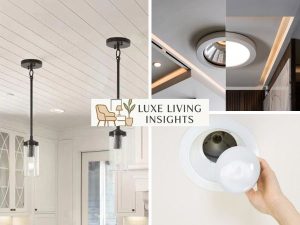
- Traditional “Can” Lights: Require a large metal housing installed inside the ceiling. Better for specific high-end trims but harder to install in tight spaces.
- Canless (Ultra-Thin) LEDs: These are about 1/2 inch thick and clip directly to the drywall. They are the favorite for 2026 renovations because they don’t require bulky housings and can be placed almost anywhere, even directly under a ceiling joist.
Hidden Costs – Dimmers, Drywall, and Permits
When budgeting for $800, don’t forget the “finishing” costs that often get left off the initial estimate:
- Smart Dimmers: A standard toggle switch is cheap, but a smart dimmer (Lutron, Caseta, etc.) that integrates with Alexa or Google Home will cost $50–$120 per switch plus setup labor.
- Drywall Repair: Even the best electrician might need to cut “pilot holes” to find joists. Most electricians do not do drywall repair. You may need to spend $150–$300 on a handyman to patch and paint.
- Permits: In many US municipalities, adding a new electrical circuit requires a permit. This ensures safety for insurance purposes and can cost $50–$200 depending on your city.
Recessed Units + Pendants & Lamps
A common mistake is relying only on recessed lights, which can lead to a “Swiss cheese” ceiling and harsh shadows on faces. For a truly professional look, you must layer your lighting.
In a kitchen, for instance, you should combine your 4 recessed lights with task lighting. Ensure you maintain the correct kitchen island pendant light height so they don’t clash with the overhead pots. If you are working in a living area, consider pairing your ceiling lights with stylish family room lamps to provide eye-level warmth that recessed lighting cannot achieve alone.
DIY vs. Pro: Safety and Insurance Risks
Can you save $600 by doing it yourself? Technically, yes. But in the US market, there are two major hurdles:
- Fire Safety: Recessed lights generate heat (even LEDs have heat sinks). If a DIYer places a non-IC-rated light against insulation, it’s a major fire hazard.
- Resale & Insurance: If you have a house fire and the investigation finds unpermitted electrical work, your insurance company may deny the claim. Additionally, during a home inspection, unpermitted work can hold up a sale.

“The cost of a licensed electrician is effectively the cost of insurance and peace of mind. For 4 lights, the 4–6 hours of professional labor is an investment in your home’s equity.” — Luxe Living Insights Editorial Team
Post-Installation: Maintenance and Covers
Modern LEDs last 25,000 – 50,000 hours, meaning you won’t be changing bulbs often. However, you will eventually need to clean the lenses or access the junction boxes. If you ever need to troubleshoot, knowing how to remove a ceiling light cover with no screws is a handy DIY skill that prevents you from cracking the fragile plastic trims or damaging your paint job.
Final Verdict: Is it Worth It?
Spending $800 to $1,000 on 4 recessed lights is one of the highest ROI (Return on Investment) home improvements you can make. It instantly modernizes a space, increases “perceived” ceiling height, and provides better task lighting than any single flush-mount fixture ever could. For more ways to elevate your home’s aesthetic, explore these modern ideas for room light decoration.
FAQs
1. How long does it take an electrician to install 4 recessed lights?
- In a standard finished ceiling, a professional electrician typically takes 4 to 6 hours to install a set of four recessed lights. This includes time for layout planning, cutting drywall, fishing wires, and final trim installation. If you have attic access, the process may be faster (around 3 hours).
2. Do I need a permit to install recessed lighting in the US?
- Yes, in most US municipalities, adding new electrical fixtures or a new circuit requires an electrical permit. Permit costs range from $50 to $200. Skipping this can lead to issues with homeowners’ insurance claims in the event of a fire or complications during a home sale inspection.
3. Can I install recessed lights myself to save money?
- While DIY installation can save you $400–$800 in labor, it is only recommended for those with advanced electrical experience. Incorrect installation can lead to overheating (if using non-IC rated lights near insulation) or electrical fires. Hiring a licensed pro ensures compliance with the National Electrical Code (NEC).
4. How many recessed lights do I need for a 12×12 room?
- A general rule of thumb is to space lights apart by half the distance of your ceiling height. For a 12×12 room with an 8-foot ceiling, 4 to 6 lights are usually sufficient. However, for task-heavy areas like kitchens, you may want more fixtures for better coverage.
5. Are canless LED recessed lights cheaper to install?
- Yes. Canless (ultra-thin) LEDs are generally 20-30% cheaper to install in remodel projects because they do not require a bulky metal “can” housing. They are much easier for electricians to fit into tight ceiling joists without extensive drywall cutting.
Would you like a custom layout plan for your specific room dimensions? Leave a comment below or contact our design team for a consultation!