
Quick Answer: How to Polish Brass Furniture Safely
To polish brass furniture without damaging it:
- Clean with warm water and mild dish soap
- Apply a natural cleaner (vinegar + flour + salt or lemon juice)
- Gently rub with a soft cloth
- Rinse thoroughly and dry immediately
- Apply wax or oil to protect the finish
Tip: Avoid over-polishing antique brass to preserve its natural patina.
Mastering how to polish brass furniture requires a balance between cleanliness and history. This guide explores identifying solid brass, removing tarnish, and preserving the aged brass character through non-abrasive methods that honor the living finish of your furniture while ensuring long-term metal health.
Understanding the Difference Between Cleaning Tarnish and Preserving Patina
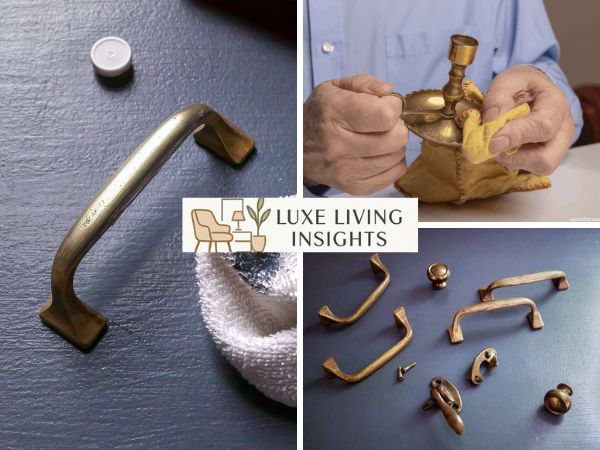
When you decide to polish brass furniture, you must first choose between a mirror shine and a soft glow. In the world of period furniture restoration, the concept of a living finish is paramount. Brass is alloy, specifically a mix where copper blends with zinc. Over decades, this metal reacts with oxygen. This chemical process creates a layer known as patina.
For many collectors, patina adds value to antique furniture. It is not just dirt; it is history. Patina protects metal from deeper corrosion. It usually presents as a dark brown or greenish film. If you strip this away, you might decrease the piece’s historical worth. However, tarnish discolors brass in uneven, messy ways.
Air exposure accelerates dullness, and humidity promotes tarnish, making the metal look neglected rather than antique. Your goal is gentle brass cleaning that removes grime but leaves the soul of the piece intact.
Critical Pre-Cleaning Assessment: Solid Brass vs. Brass Plated Furniture
Before applying any metal polish, you must know what you are working with. Hardware decorates furniture, but its composition dictates your cleaning limits. The most reliable tool here is a simple magnet. This is especially important when inspecting unique dining tables to make your space truly spectacular to ensure you do not ruin the delicate finish.
Magnet detects steel or other ferrous metal cores. If the magnet identifies ferrous metal, the item is brass plated. Scratches damage plating easily because the brass plating thickness is often at a micron-level.
If you rub too hard, you will expose the silver-colored metal underneath. Conversely, if the magnet does not stick, it is likely solid brass. Antique brass value relies heavily on this distinction. Henry Phan recommends a spot treatment if you are ever in doubt.
You should also look for lacquer. Lacquer protects brass surface by acting as an oxidation barrier. However, if it is flaking, cleaning removes grime unevenly.
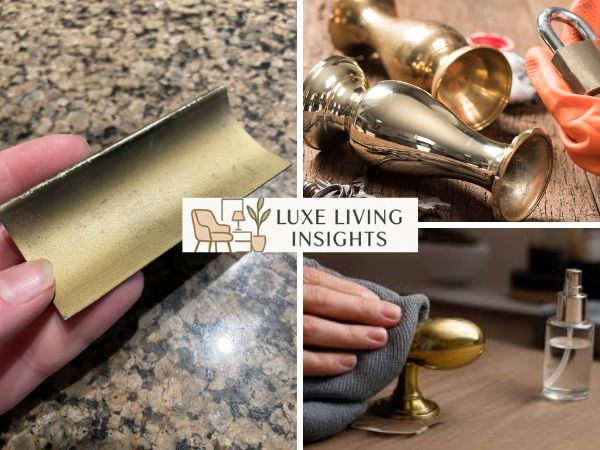
Lacquer seals surface areas, so cleaning solutions cannot reach the metal unless the coating is removed. Look for a clear coating that is chipping or showing verdigris—a thick green crust—underneath the film.
| Feature | Solid Brass | Brass Plated |
|---|---|---|
| Magnet Test | Non-sticking (Solid Brass) | Sticking (Plated Brass) |
| Durability | High; can be polished deeply | Low; surface can be rubbed off |
| Composition | Copper and Zinc | Ferrous metal core |
| Care Level | Standard | Gentle |
Step-by-Step Guide to Cleaning Without Stripping the Antique Finish
To clean lightly tarnished brass, start with the most basic supplies. Dish soap cleans surface oils and dust without reacting with the metal.
This method is perfect for maintaining the subtle accents on high end modern coffee tables. Mix it with warm water and use a microfiber cloth. A toothbrush reaches detailed grooves where dust accumulates over years.
If the piece requires tarnish removal, turn to natural acidity cleaners. Vinegar contains acid, specifically acetic acid, which is excellent for restoring vintage brass. You can make a homemade paste.
Flour thickens vinegar paste, allowing it to sit on the surface. Salt acts as an abrasive and salt enhances acidic cleaning. Luxeinsight testing shows that the ketchup method is surprisingly effective for heavily soiled areas.
Lemon juice dissolves tarnish effectively because lemon juice pH is highly acidic. Apply the mixture, but do not leave it too long. Acid neutralizes oxidation, but it can also eat into the zinc if left unchecked.
After cleaning, warm water rinses chemical residue away. Immediate moisture control is vital; you must dry the piece instantly. Water left on the surface can cause new spots or corrosion.
Step-by-Step: How to Clean Brass Without Damaging It
- Step 1: Basic Cleaning: Use warm water and mild dish soap to remove dust and oils.
- Step 2: Apply Natural Cleaner: Use vinegar paste, lemon juice, or ketchup for tarnish removal.
- Step 3: Gentle Scrubbing: Use a soft cloth or toothbrush for detailed areas.
- Step 4: Rinse and Dry: Always rinse thoroughly and dry immediately to prevent water spots.
- Step 5: Protect the Surface: Apply wax or oil to slow down future tarnish.
How Often Should You Polish Brass Furniture?
For most brass furniture, polishing every 2–3 months is enough. Over-polishing can wear down the surface, especially on brass-plated items.
If your goal is to preserve an antique look, clean lightly and avoid frequent polishing.
Natural vs Commercial Brass Cleaners: Which Is Better?
- Natural cleaners (vinegar, lemon): safer, gentler, ideal for antiques
- Commercial products: faster results but risk damaging delicate finishes
Choose based on the age and value of your furniture.
Professional Polishing Techniques for Aged Metal
Polishing restores shine, but for antiques, we want a lustre restoration rather than a brand-new look. Buffing creates lustre by smoothing the surface at a microscopic level. Use a soft microfiber cloth or extra fine steel wool.
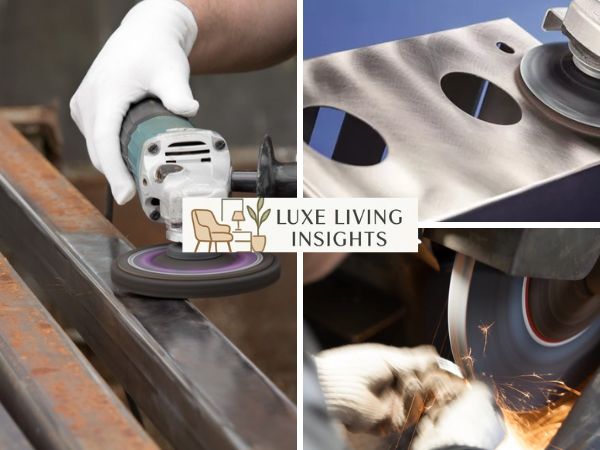
Specifically, grade 0000 steel wool is safe for solid brass to remove heavy grime. This is the standard procedure when refurbishing luxury single sofas for an elegant living space that feature intricate metal legs.
When you buff metal surfaces, work in circular motions. Microfiber cloth buffs metal polish to a soft, warm radiance. If you are using Brasso metal polish or Bar Keepers Friend, remember that Bar Keepers Friend active ingredient is oxalic acid.
It is powerful. Cotton applies polish gently to the high points of the decorative brass. By leaving the darker patina in the deep crevices, you maintain the visual depth of the antique metal care project.
Long-Term Preservation and Protection Strategies
Once the metal is clean, you must seal it. Sealants extend finish life and furniture wax prevents future corrosion. Many professionals prefer microcrystalline wax because it is a breathable, reversible finish.
Unlike polyurethane, it can be removed easily if you change your mind later. This is a common practice for protecting the accents on luxury velvet dining chairs during seasonal maintenance.
Furniture wax benefit includes humidity protection. It creates a physical barrier so oxygen cannot reach the alloy. Alternatively, mineral oil seals cleaned brass for a shorter period, providing a temporary soft glow. Linseed oil is another metal sealant often used in antique metal care to enrich the color.
Simply rub a thin layer on, let it sit, and buff it. This simple step ensures your polish brass furniture efforts last for years, a key part of the reasons to love the calligaris oleandro dining chair and its lasting durability.
Common Hazards to Avoid When Handling Antique Brass
The biggest danger in cleaning aged brass is using the wrong chemicals. Ammonia dissolves verdigris, but it is very aggressive. Ammonia speeds up tarnish removal, but if the ammonia concentration is too high, it can damage the metal structure. Always use a 50/50 mix if you must use it at all.
Avoid harsh chemicals that strip the zinc out of the brass. This results in pinkish spots where only the copper remains. Never use high-grit abrasives on brass plating.
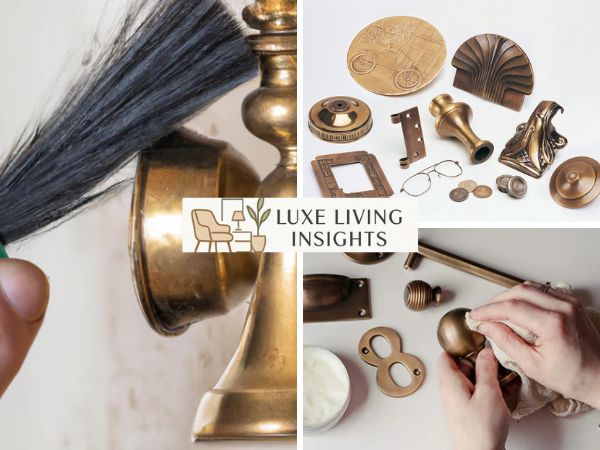
Remember, less is more. Your goal is restoring vintage brass character, not erasing its history. Safety is also key; always wear rubber gloves when handling commercial cleaners.
Frequently Asked Questions
How can I tell if my brass furniture is actually solid brass?
Use a magnet to check the metal. If the magnet sticks, your furniture is brass plated over a ferrous metal like steel. If the magnet does not stick, it is likely solid brass. This is a vital test before you polish brass furniture to avoid damaging the surface.
Is it safe to use household items like ketchup to clean brass?
Yes, ketchup cleans brass hardware effectively. The acetic acid in the tomatoes and vinegar dissolves tarnish without being overly abrasive. Apply it to the tarnished furniture hardware, let it sit for 15 minutes, and then warm water rinses it clean.
What should I do if my brass has a green crust on it?
That green substance is verdigris, a form of advanced oxidation. You can use a 50/50 mix of ammonia and water to clean it, as ammonia dissolves verdigris quickly. Use a toothbrush to reach into the detailed grooves and rinse thoroughly afterward.
How do I prevent my brass from tarnishing again so quickly?
After a gentle brass cleaning, apply a thin layer of furniture wax or linseed oil. Furniture wax prevents future corrosion by creating a barrier against oxygen and humidity, which are the primary causes of tarnish.