
Finding the perfect side table height is essential for a refined home. This guide explores whether your table should be higher or lower than your sofa, ensuring ergonomic reach zone comfort and a balanced visual hierarchy for your living room seating area.

The Golden Rule for Side Table Height: Should It Be Higher or Lower Than the Sofa?
When you are relaxing on your couch, the last thing you want is to struggle while reaching for a drink. Interior design is more than just aesthetics; it is about living room ergonomics. The Golden Rule for a side table is simple: it should align with the seat cushion height of your sofa.
Ideally, the side table height should be 18–24 inches. This range ensures the surface remains flush with the armrest or stays slightly lower than the sofa arm. If your side table rises above the arm, it can create visual noise and make the room feel top-heavy.
Conversely, a table that is too low forces you to lean, ruining your posture. A side table height should be equal to seat height to keep the reach effortless. Most designers recommend a height buffer of ±2 inches from the top of the seat cushion to maintain proportional balance.
Measuring Your Seating for the Perfect Reach Zone
Precision starts with a measuring tape. To find your standard height range, measure from the floor level to the top of your sofa seat. Keep in mind that cushions compress when you actually sit down. Designers refer to this as the normal use cushion height.
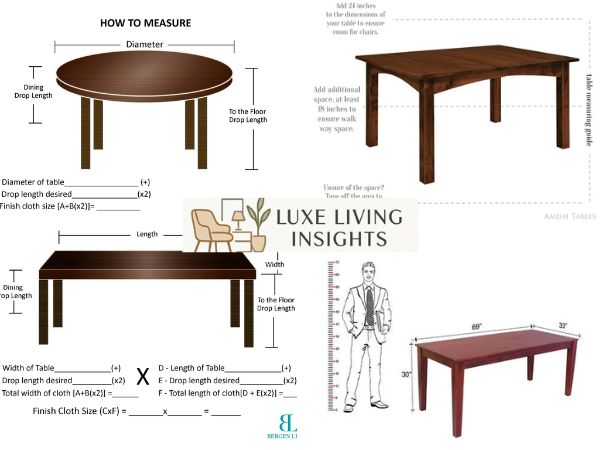
Once you have your floor-to-cushion measurement, you have your starting point. If your sofa seat is 18 inches tall, your side table should ideally land between 18 and 20 inches. This 2-inch buffer allows for functional proximity, ensuring that occupant reaches side table without lifting a shoulder.
Placement is just as vital as height; keep the table 2–4 inches away from the sofa arm to allow for negative space and easy movement. You might also want to check out some ashley coffee and end tables to see how these dimensions play out in popular designs.
Tailoring Table Dimensions to Different Sofa Styles
Not all furniture is created equal. A modern sofa often features a low profile, necessitating a shorter end table.
| Sofa Type | Seat Height | Recommended Table Height |
|---|---|---|
| Low-Profile / Lounge | 16″ – 17″ | 16″ – 19″ |
| Standard Modern | 18″ – 19″ | 18″ – 21″ |
| Formal / High-Back | 20″ – 21″ | 20″ – 23″ |
For armless sofas, the seat height becomes your only zero reference. In these cases, the side table acts as an armrest substitute, so staying equal to or slightly higher than the cushion is best.
Standard furniture dimensions suggest that for very tall seating, you may even need a table reaching 24 inches or more to prevent a functional gap. If you are exploring high-end options, viewing the best designer coffee tables can provide inspiration for matching premium seating.
Side Table Height for Accent Chairs and Reading Nooks
An accent chair setup is a hero moment for a side table. Whether it is a cozy reading nook or a small studio corner, the side table must support nighttime essentials or a morning tea. Most accent chairs work best with a side table height of 18–22 inches.
If the chair has slimmer arms, the tabletop surface should be easily accessible. Your posture dictates the ideal height here. If you sit upright, a 22–26 inch table feels better. However, if it is a lounger, stay lower. Always ensure the surface size is big enough to hold a mug, phone, and remote comfortably.
Adjusting Heights for Bedside Tables and Nightstands
In the bedroom, the rules shift slightly. A bedside table should align with the mattress top. Since you are usually lying down, reaching up is harder than reaching down.

- Mattress height usually ranges from 20–30 inches.
- The bedside table should be equal to mattress height or 2–4 inches lower.
- A standard bedside table is typically 24–28 inches tall.
Aligning the tabletop with the mattress ensures you can grab your water or phone alarm without sitting all the way up. Additionally, consider your lighting. A table lamp should be positioned so the base of the shade is at eye level when you are sitting up in bed, preventing glare.
Designing for Traffic Flow and Safety
Furniture creates room balance, but it should never block your path. A round side table often feels better in tight spaces because it lacks sharp corners, improving traffic flow. This is a safety priority for homes with children.
Furthermore, stability is a mechanical necessity. A side table with a wobbly base ruins functionality, especially when placed on an area rug. Look for pieces with a stable construction and level base.
Negative space between the side table and other furniture ensures the living room doesn’t feel cramped, maintaining a refined room aesthetic.
Common Mistakes to Avoid When Choosing Side Table Sizes
Many homeowners choose based on looks only, but comfort comes first. Avoid the trendy trap of buying a low table (e.g., 14 inches) for a standard sofa; it will feel like a floor shelf.

Another mistake is ignoring lamp pairing. You must treat the table and lamp as one design decision. A very tall table combined with a tall lamp can block sightlines across the room.
Lastly, ensure the surface isn’t too small. If you can’t fit a drink and a phone comfortably, the table fails its primary purpose of accessibility.
Frequently Asked Questions
How tall should a side table be next to a sofa?
A side table next to a sofa should usually be the same height as the sofa seat, or up to 2 inches higher. For most living rooms, that lands around 18–24 inches, which feels comfortable for drinks, phones, and remotes.
Is it better for a side table to be higher or lower than the sofa arm?
In most rooms, it is better for a side table to be no higher than the sofa arm, or only slightly higher. A table that is much taller can feel awkward and visually heavy. If you plan to use a lamp, a slightly taller table can work as long as it stays within easy reach.
What is the standard side table height?
Standard side table height is typically 18 to 24 inches. This range matches most modern sofa seat heights, making it a comfortable choice for everyday living rooms.
How tall should a bedside side table be?
For bedside use, choose a side table that is about the same height as the top of your mattress, or up to 2–4 inches lower. Many bedrooms land between 24 and 30 inches, depending on bed and mattress height.
Conclusion
Choosing the right side table height enhances daily comfort. Leave a comment or share your tips! For more insights, visit luxelivinginsights.com.
Articles on the same topic:
-

Polishing Antique Brass: How to Keep the Patina
-
How to organize your desk at home for peak productivity
-

How Much a Dining Room Set Costs in 2026
-

Choose the perfect dining table size and shape using simple measurements
-

Best Folding Dining Table and Chairs for Small Spaces: Picks, Sizes, and What to Buy
-

Dining Table Sizes for 6, 8, 10 & 12 People (in cm + inches)