
The chandelier has a fascinating history, evolving from basic 9th-century polycandelons to 18th-century Murano glass masterpieces. This guide explores when were chandeliers invented, tracing their journey from medieval animal fat lighting to the lead crystal patents of 1676 and today’s sustainable LED designs.
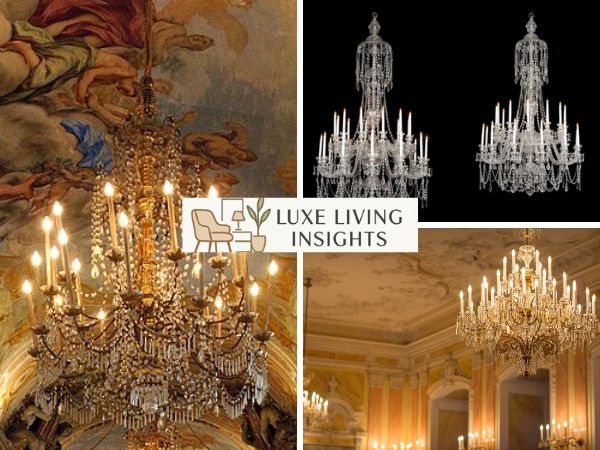
For those looking to bring this elegance outside, you might consider an outdoor chandelier installation for covered porches to elevate your exterior spaces.
When were chandeliers invented: Origins in the 9th to 14th Centuries
The story of the chandelier begins much earlier than many imagine. To understand when were chandeliers invented, we must look back to the Middle Ages, specifically between the 9th to 14th centuries.
During this era, these fixtures were known as polycandelons. These polycandelons were not the glittering spectacles we see today; instead, they were basic structures designed for pure utility.
Early artisans utilized wood and metal to create wooden crosses or flat metal discs. These structures were suspended from the ceilings of Anglo-Saxon churches and castles to provide adequate lighting across large, drafty rooms.
Because electricity was centuries away, the primary use for these wooden structures was to hold candles made from animal fat, also known as tallow. Interestingly, the term chandelier itself is a French derivative of chandelle, which literally translates to candle.
In this period, the ERE relationship is clear: 9th Century saw invention of wooden crosses. These medieval chandeliers provided a functional light source rather than a decorative one. The semantic triple ( Chandeliers, originated in, Middle Ages ) defines this era perfectly.
The 15th Century Shift: From Functional Light to Symbols of Power
By the 15th century, the evolution of chandeliers took a turn toward the ornamental. Artisans began adopting new production techniques and utilized different materials such as bronze and iron. This was the century where the chandelier transitioned from a simple tool into a symbol of triumph, power, luxury, and class.
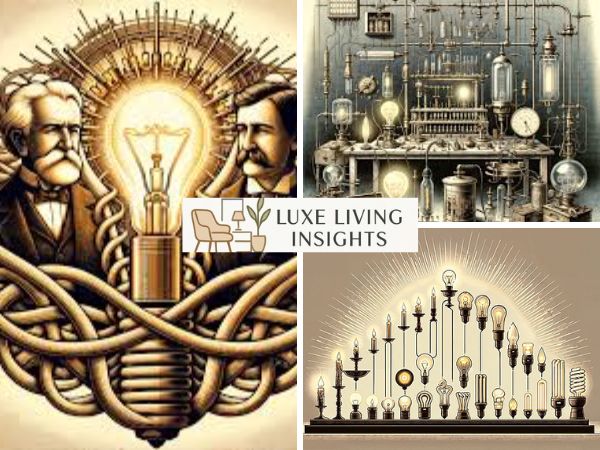
As noble residences and royal palaces adopted these fixtures, they became decorative statement pieces. The introduction of complex gold-gilded elements and bold shapes allowed the bourgeois to display their status.
Here, the EAV ( 15th Century Chandelier – Style – Elaborate Ironwork ) highlights the shift in craftsmanship. During this time, chandeliers symbolize wealth and status.
The Scientific Breakthrough of 1676: The Birth of Lead Crystal
The most significant technological leap occurred in the 17th century. While rock crystal had been used by the elite, it was difficult to work with. In 1676, an English glassmaker named George Ravenscroft patented a new material: high-quality lead crystal, also known as flint glass.
This invention was revolutionary because lead crystal possessed a unique characteristic: transparency and a high refractive index.
This allowed for the creation of refracting prisms that could split light into a rainbow of colors, significantly brightening the rooms. The ERE ( George Ravenscroft, patented, lead crystal ) is the cornerstone of modern lighting design.
| Era | Material | Light Source |
|---|---|---|
| 9th-14th Century | Wood / Wrought Iron | Animal Fat Candles |
| 15th-16th Century | Bronze / Tin | Beeswax Candles |
| 17th Century | Lead Crystal (Flint Glass) | Refining Candles |
The Golden Age of the 18th Century: Murano and Bohemia
The 18th century is often called the Golden Age of the chandelier. This period brought the rise of extravagant designs like Murano glass and Bohemia chandeliers. Gio Ponti, an exceptional architect and designer, was instrumental in this movement.
Working from the Venetian Island of Murano, he helped manufacture Venetian glass that was brilliant, transparent, and soft.
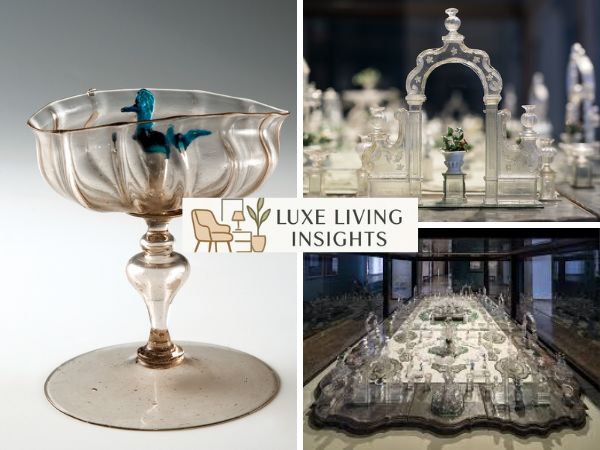
The EAV ( Murano Glass – Origin – Venice, Italy ) and ( Murano Glass – Characteristic – Blown/Colored ) explain why these became staples in royal palaces.
Venetian glass provided an affordable alternative to rock crystal, which was previously hung from gilt silver structures. To see how these classic influences translate into today’s homes, check out modern ideas for room light decoration.
The 19th Century Transition: Gasoliers and the Safety Revolution
As we moved into the 19th century, a major problem emerged: house fires. Candle chandeliers were beautiful but dangerous.
This motivated innovators to develop gasoliers. These were chandeliers that used gas as the primary source of artificial light, typically encased in glass for safety.
During this peak of Victorian design, Daniel Swarovski began producing cut stones for ornate crystal chandeliers. The semantic triple ( House fires, motivated, gasoliers ) shows how necessity drove invention.
The 20th Century and the Impact of Electricity
The discovery of electricity in the late 19th century and its widespread adoption in the 20th century changed everything. Light bulbs replaced gas jets, leading to the mass production of electric chandeliers.
Society became more concerned with optimal lighting and efficiency. Consequently, many households ditched the bulky crystal elements for simple chandeliers that were affordable and functional.
Modern Day Innovation: The Rise of Sustainable LED Chandeliers
Today, modern-day chandeliers are revolutionary. The constant factor in their thousand-year history has been optimization. We now see a vast range of designs featuring LED technology.

These LED options provide sustainability and reduce energy consumption while maintaining the elegant touch of their predecessors. Whether they are made of Bohemian crystal or minimalist metal, the evolution continues.
Frequently Asked Questions About Chandelier History
When were the first chandeliers officially invented?
The first chandeliers, known as polycandelons, appeared during the Middle Ages, specifically between the 9th and 14th centuries. These early versions were basic structures made of wood or metal and were used primarily in churches and castles.
Who was responsible for the invention of crystal chandeliers?
While rock crystal was used early on, the modern crystal chandelier was made possible by George Ravenscroft, who patented lead crystal in 1676. Later, in the 19th century, Daniel Swarovski advanced the industry by producing high-quality cut stones.
What does the word chandelier mean?
The word is a French derivative of chandelle, which means candle. This reflects the functional history of the fixture as a ceiling-suspended candle holder.
Why did chandeliers change from candles to gas and then electricity?
The transition to gas in the 19th century was primarily driven by the need for a safer option to prevent house fires. Later, the discovery of electricity allowed for mass production and optimal lighting, leading to the electric chandeliers we use today.
What is the significance of Murano glass in chandelier history?
Murano glass became a staple in the 18th century because it was brilliant, transparent, and easier to shape than rock crystal. It allowed artisans to create extravagant designs and unique colors, marking the Golden Age of lighting.
Conclusion
From medieval animal fat lamps to Swarovski crystals and modern LED fixtures, the chandelier remains a timeless symbol of luxury. Explore more when were chandeliers invented design history at luxelivinginsights.com. We invite you to share your thoughts in the comments or read more on luxelivinginsights about home transformation!
Articles on the same topic:
-

What Size Pendant Light for Living Room? Dimensions Height Guide
-

Outdoor Covered Patio Lighting Ideas That Actually Work
-

How to Remove a Fluorescent Light Cover (Lens) Safely: Tabs, Clips, and Sliding Diffusers
-

How Many Pendant Lights Over a 5 Foot Island? The Definitive Spacing & Sizing Guide
-

Set the Perfect Chandelier Height Above Dining Table: Inches, Ceiling Rules & Sightlines
-

How to Add Lighting to a Room Without Wiring With 10 Smart Solutions