
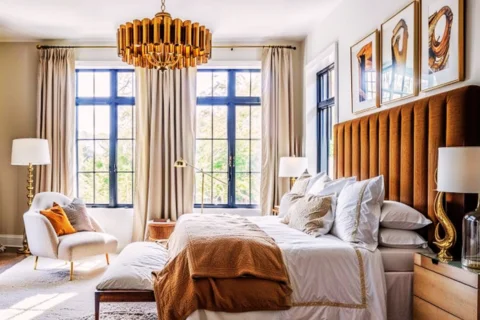
Feng shui bedroom decor ideas can support better sleep by turning your bedroom into a calmer, lower-stimulation environment through bed placement, balanced layout, softer light, and fewer visual stressors. In practice, you’re not “magically fixing sleep”; you’re optimizing cues that help your mind and body wind down.
Next, most people see the biggest change by fixing the bed first where it sits, what it faces, and how supported it feels. Once the bed is in a stable position with clear pathways, the room naturally feels safer and easier to relax in, which is the foundation of sleep-first feng shui. In addition, color and texture do more than “look pretty.” Calm colors and grounding materials reduce the feeling of busyness, especially at night.
When your palette is softer and your fabrics feel comfortable, the bedroom signals rest instead of productivity. Finally, the most common sleep disruptors in feng shui terms are also modern-life disruptors: mirrors reflecting the bed, clutter piling up, bright screens, and harsh lighting. Next, you’ll learn simple rules and room-by-room fixes so your bedroom feels balanced, cozy, and ready for better sleep tonight.
What is feng shui bedroom decor, and why does it matter for better sleep?
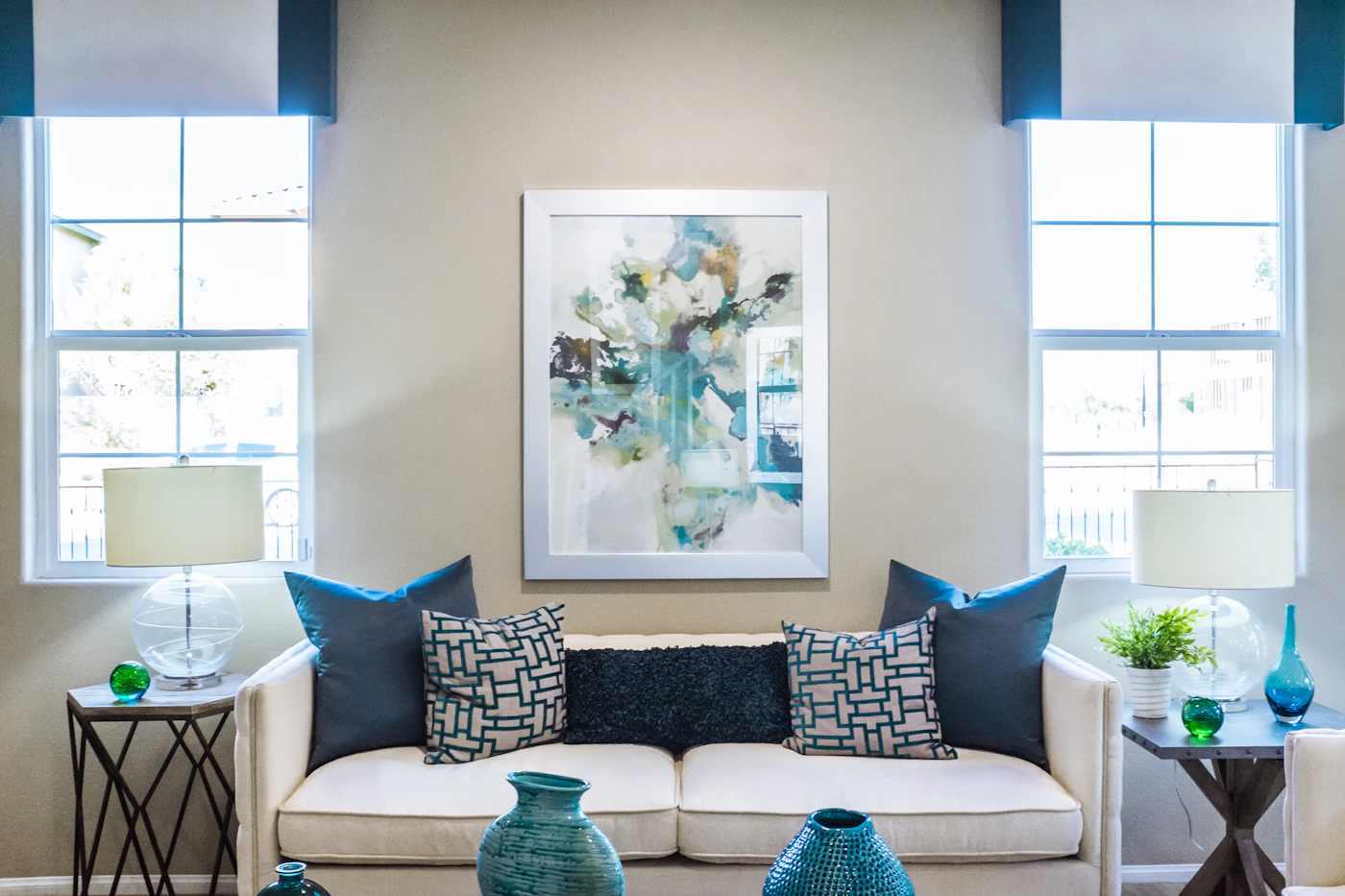
Feng shui bedroom decor is an approach to arranging your bedroom’s layout, furniture, and decor to create a calmer “rest zone” favoring supportive bed placement, balanced flow, minimal clutter, and soothing light so the room feels easier to sleep in.
To connect this to real life, feng shui works best when you treat it like environmental design for rest. Your bedroom is full of cues light, noise, clutter, pathways, reflections telling your brain whether it’s time to be alert or to relax. When those cues are calmer and more consistent, bedtime feels smoother.
Specifically, sleep-first feng shui focuses on three foundational outcomes:
- Safety cues: the bed feels supported and positioned in a way that reduces “exposed” feelings.
- Lower stimulation: fewer bright lights, fewer reflections, fewer visual “to-dos.”
- Balance: the room feels even and settled instead of chaotic or lopsided.
Is feng shui bedroom decor mainly about creating a calm “yin” space for sleep?
Yes feng shui bedroom decor is mainly about creating a calm “yin” space for sleep because (1) a quieter visual environment reduces mental activation, (2) soothing light and color support wind-down cues, and (3) balanced placement and symmetry can make the room feel more stable.
To begin, the most important reason is stimulation control. When your bedroom looks busy piles, open shelving, bright mirrors, screens your brain stays on “scan mode.” Reducing that visual noise is a direct, practical way to make the bedroom feel more sleep-ready.
Feng shui bedroom decor vs regular bedroom decor: what’s the difference?
Feng shui bedroom decor wins on “rest-focused flow,” while regular bedroom decor often wins on “looks and trends.” Feng shui prioritizes where the bed sits, what the bed reflects, how pathways move, and whether the room feels balanced because those details influence how the space feels at night.
However, you don’t have to choose one or the other. The best modern bedrooms combine both: aesthetically pleasing decor and a calm layout with fewer sleep disruptors.
Evidence: According to Harvard Medical School (Division of Sleep Medicine), blue-enriched light from electronic devices is especially effective at delaying melatonin secretion one reason sleep environments benefit from lower stimulation at night.
Where should the bed go for good feng shui and deeper sleep?

There are 4 best bed placement rules for sleep-first feng shui commanding position, solid support, visibility without direct alignment, and clear space around the bed organized by the criteria of stability, comfort, and nighttime calm.
Next, think of bed placement as the “anchor” of your bedroom. If the bed feels awkward (blocked pathways, directly in line with a door, shoved under a window), the room often feels subtly restless even if the decor is beautiful.
What are the 4 best bed placement rules (commanding position, solid wall, visibility, clearance)?
There are 4 best bed placement rules: (1) place the bed in a commanding position, (2) support it with a solid wall and headboard, (3) see the door without lining up with it, and (4) keep balanced clearance on both sides when possible.
Specifically, here’s how to apply them in a modern home:
- Commanding position: from the bed, you can see the door, but your bed is not directly in line with the doorway.
- Solid support: a sturdy headboard against a solid wall helps the bed feel “held.”
- Avoid direct alignment: if your feet point straight at the door, the setup can feel exposed and unsettled.
- Clearance: aim for a clear path on both sides (even if one side is narrower).
Should your bed face the door in feng shui?
No your bed should not face the door directly in feng shui because (1) it can feel exposed and less restful, (2) it creates a straight “line of movement” that feels visually active, and (3) it often increases light/noise interruption from the hallway.
However, you don’t need a perfect room to fix this. Try one of these practical adjustments:
- Angle the bed slightly so it’s not directly aligned with the doorway.
- Add a bench or trunk at the foot of the bed to soften the direct line.
- Use a rug runner to guide flow around the bed rather than through it.
- Place a screen or plant (if space allows) to reduce the “straight shot” feeling.
Bed under a window vs bed on a solid wall: which is better for sleep?
Bed on a solid wall wins for stability, a bed under a window can work with the right supports, and a corner placement is often the best compromise for small rooms.
In other words, a solid wall reduces drafts, light leaks, and the sense of exposure. If a window is your only option, you can “stabilize” the bed by:
- Choosing a sturdy, tall headboard
- Using blackout or lined curtains to control light
- Layering heavier bedding for a grounded feel
- Adding symmetry with matching lamps or wall sconces
Evidence: According to The Spruce’s feng shui guidance (updated November 10, 2025), a common recommendation is placing the bed in a commanding position and avoiding bed placement under windows or beams when possible.
How do you create a feng shui bedroom layout that feels balanced and uncluttered?

Create a balanced feng shui bedroom layout with 3 steps clear pathways, build symmetry around the bed, and reduce visual clutter so the room feels calmer and easier to settle into at night.
Next, remember: layout is not about perfection; it’s about flow. When you can walk easily, access storage without piling things on surfaces, and see a visually “even” room, your brain receives fewer competing signals.
What is the simplest 3-step layout reset for better sleep?
There are 3 steps in the simplest layout reset: (1) clear your main walking paths, (2) balance the bed area left-to-right, and (3) reduce the number of items competing for attention organized by the criteria of movement, stability, and visual calm.
- Clear pathways: Make sure you can walk from the door to the bed and to key storage without dodging baskets, cords, or piles.
- Balance the bed zone: Add a nightstand or shelf on each side if possible (even if small), and keep lamp height visually similar.
- Reduce competition: Limit surfaces to 3–5 visible items per zone (lamp, book, tray, one decor piece, and that’s it).
Does symmetry (two nightstands, two lamps) improve feng shui in the bedroom?
Yes symmetry can improve feng shui in the bedroom because (1) it creates visual stability, (2) it reduces the feeling of “leaning” energy, and (3) it supports practical ease each person (or each side) has equal access to light and storage.
However, symmetry does not have to mean identical furniture. In a small bedroom, you can create “visual symmetry” by:
- Using two wall sconces instead of two table lamps
- Pairing a nightstand on one side with a floating shelf on the other
- Balancing height with matching frames or matching lamp shades
Small bedroom feng shui: what layout works best when space is tight?
There are 3 small-bedroom layout strategies compact symmetry, vertical storage, and simplified circulation grouped by the criteria of saving floor space while maintaining calm.
Specifically:
- Compact symmetry: Use narrow nightstands (or wall shelves) plus matching sconces to keep both sides balanced.
- Vertical storage: Move storage upward (tall dresser, closet organizers) so the floor stays open.
- Simplified circulation: Keep at least one main route unobstructed; remove extra chairs or “catch-all” bins.
Evidence: Research on attention and clutter from Princeton-related work has highlighted how multiple stimuli compete for representation in visual processing, supporting the practical idea that reducing competing visual inputs can make a space feel less mentally taxing.
What colors are best for feng shui bedroom decor and better sleep?

There are 5 sleep-friendly feng shui color families warm neutrals, soft earth tones, muted greens, gentle blues, and blush/peach accents organized by the criteria of low stimulation and cozy comfort.
Next, color works best when you apply it like a hierarchy: the largest surfaces stay calm (walls, bedding), while accents add personality (pillows, throws, art). This keeps the room soothing without feeling bland.
What are the 5 most sleep-friendly feng shui color families?
There are 5 sleep-friendly feng shui color families: (1) warm neutrals, (2) soft earth tones, (3) muted greens, (4) gentle blues, and (5) blush/peach accents grouped by the criteria of how quietly they “read” in low light.
- Warm neutrals: ivory, cream, oatmeal, greige (cozy, minimal, grounding)
- Soft earth: sand, clay, mushroom, taupe (stable, warm, not bright)
- Muted greens: sage, olive-gray (restful, nature-coded)
- Gentle blues: dusty blue, blue-gray (calming, airy)
- Blush/peach accents: warm and soft best in small doses (art, pillow, throw)
Cool colors vs warm neutrals: which supports better sleep in a bedroom?
Warm neutrals win for coziness and grounding, cool colors are better for an airy calm feel, and a blended palette (warm neutral base + cool muted accent) is often best for modern bedrooms.
However, your light exposure matters:
- Lots of daylight: warm neutrals prevent the room from feeling cold.
- Low light / north-facing rooms: gentle warm tones keep the bedroom inviting.
- Hot climates: muted blues and greens can feel cooler and calmer.
Is red a bad feng shui bedroom color for sleep?
Yes red is often a poor choice as a main feng shui bedroom color for sleep because (1) it’s visually stimulating, (2) it reads as “active energy,” and (3) it can make a room feel louder at night especially under warm lighting.
That said, you don’t have to ban red entirely. Use it as an accent (a small artwork detail, one pillow, a muted rust throw) rather than a full wall or a dominant bedding color.
Which textures, materials, and elements make a bedroom feel more grounding?

There are 4 best grounding material categories for a feng shui bedroom natural fibers, wood, ceramics/stone accents, and soft wool textures organized by the criteria of comfort, warmth, and reduced sensory “sharpness.”
Next, grounding is not only symbolic; it’s physical. A bedroom feels grounding when the textures are soft, the materials are less reflective, and the surfaces look simple. That combination helps your brain stop “monitoring” the environment.
What are the 4 best grounding materials for a feng shui bedroom?
There are 4 grounding materials: (1) cotton/linen, (2) wood, (3) wool, and (4) ceramic/stone accents grouped by how they reduce harshness and improve comfort.
- Cotton/linen: breathable bedding and curtains that feel calm and natural
- Wood: bed frames, nightstands, or warm-toned decor that signals stability
- Wool: a small rug or throw that adds soft insulation and comfort
- Ceramic/stone: a lamp base, tray, or decor piece that feels solid and quiet
Natural fibers vs synthetic fabrics: which is better for a sleep-focused bedroom?
Natural fibers win for breathability and comfort, synthetic fabrics win for easy care and budget, and the best approach is often “natural where your body touches” (sheets, pillowcases) plus practical synthetics elsewhere.
However, feng shui is about cues: if a fabric feels scratchy, noisy, or overly shiny, it tends to read as more stimulating. Choose textures that look matte and feel soft.
Can plants improve feng shui in the bedroom, or do they disrupt sleep?
Yes plants can improve feng shui in the bedroom because (1) they add a gentle nature cue, (2) they soften sharp corners and empty zones, and (3) they can make the room feel more alive and balanced if you keep them simple and low-fragrance.
To keep plants sleep-friendly:
- Choose one small-to-medium plant rather than turning the bedroom into a jungle.
- Avoid strongly scented blooms if you’re sensitive to smell at night.
- Place plants where they don’t create “visual clutter” near the bed.
What are the feng shui “do’s and don’ts” for mirrors, electronics, and under-bed storage?

There are 3 major feng shui “don’t” categories that most directly affect sleep mirrors reflecting the bed, electronics creating nighttime light/stimulation, and under-bed storage holding clutter organized by the criteria of reflection, stimulation, and stagnation.
Next, treat this section as your “fast sleep upgrade.” You can keep your style, keep your budget, and still reduce the biggest bedroom disruptors with a few small shifts.
Should a mirror face the bed in feng shui?
No a mirror should not face the bed in feng shui because (1) reflections can feel visually active at night, (2) movement in reflection can increase restlessness, and (3) mirrors can bounce light around the room when you’re trying to sleep.
However, if you can’t remove it, try one of these fixes:
- Cover it at night with a fabric drape.
- Re-angle it so it doesn’t reflect the bed.
- Replace mirrored closet doors with curtains or a removable film if renting.
TV in the bedroom vs no TV: which is more feng shui-friendly for sleep?
No TV wins for sleep cues, a hidden TV is the next best option, and a visible TV is workable only when you control light and boundaries.
Specifically, the TV issue is not just “feng shui” it’s stimulation. Bright light at night can interfere with melatonin and circadian rhythm. Harvard researchers have reported that blue light at night suppresses melatonin more powerfully than other wavelengths and can shift circadian rhythms.
If you keep the TV:
- Hide it in a cabinet or use a frame-style cover.
- Enable night mode and reduce brightness.
- Create a no-screens window (for example, 30–60 minutes before bed).
Is under-bed storage bad for feng shui bedroom decor?
Yes under-bed storage is often bad for feng shui bedroom decor because (1) it can collect clutter and dust, (2) it creates a “busy” zone right under your rest space, and (3) it makes cleaning and airflow harder especially when items are unorganized.
However, if you must store items under the bed, keep it “sleep-friendly”:
- Store only soft linens (extra blankets, off-season bedding) in closed containers.
- Avoid storing work documents, shoes, or emotionally charged items.
- Leave some empty space to keep the area from feeling packed.
Evidence (sleep + devices): According to Harvard Medical School news coverage of research on light-emitting eReaders (Jan 2015), evening use of light-emitting devices is a concern because light can influence the sleep/wake pattern.
What lighting choices support feng shui bedroom decor for better sleep?

There are 3 best lighting layers for a sleep-friendly feng shui bedroom ambient, task, and accent organized by the criteria of gentle visibility without harsh glare.
Next, lighting is one of the fastest transformations you can make. Even if your bed placement is imperfect, the right lighting can instantly shift the room from “active” to “restful.”
What are the 3 best lighting layers for a sleep-friendly bedroom?
There are 3 lighting layers: (1) ambient glow, (2) gentle task light, and (3) low accent light grouped by how they support wind-down.
- Ambient: a ceiling fixture on a dimmer, or multiple lamps that softly fill the room
- Task: bedside reading light that’s focused (so it doesn’t blast the whole room)
- Accent: a small, low lamp or wall light that creates a calm “evening mode”
Warm light vs cool light at night: which is better for sleep-focused feng shui?
Warm light wins for nighttime relaxation, cool light is better for daytime alertness, and dim warm light is the best overall choice for a sleep-focused bedroom routine.
Specifically, multiple sleep-education resources recommend keeping bedroom light levels low in the period before sleep. The Sleep Foundation notes that dimmer lights can help you fall asleep more easily and suggests avoiding screen devices in the bedroom.
Do you need two bedside lamps for feng shui balance?
Yes two bedside lamps are ideal for feng shui balance because (1) they create symmetry and stability, (2) they provide equal function on both sides of the bed, and (3) they reduce harsh overhead lighting at night.
However, if you have a small bedroom, use these alternatives:
- Two wall sconces instead of table lamps
- One lamp + one plug-in sconce to balance height
- Matching pendant bedside lights if you want a clean surface
Evidence (sleep environment basics): The National Sleep Foundation advises keeping the bedroom dark and minimizing light distractions (including turning off TVs and blocking unwanted light).
What is the easiest feng shui bedroom decor checklist you can do today for better sleep?
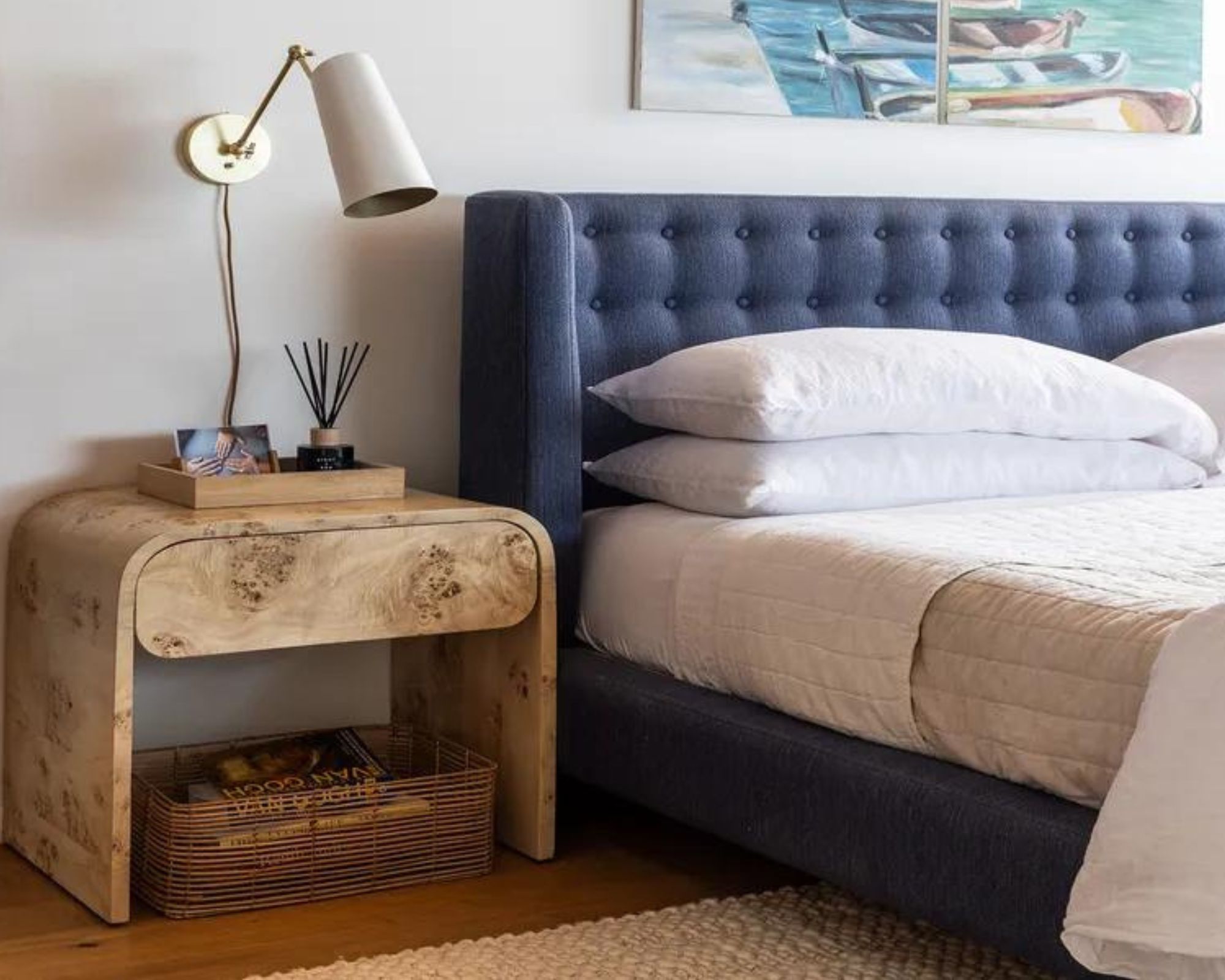
There are 10 fast feng shui fixes you can do today bed zone balance, pathway clearing, mirror control, lighting softening, and clutter reduction organized by the criteria of fastest impact for better sleep.
Next, use this like a “tonight plan.” You don’t need to renovate; you need to reduce stimulation and increase stability.
What are the 10 fastest feng shui fixes for a calmer bedroom tonight?
There are 10 fastest fixes: (1) clear the floor path, (2) remove laundry piles, (3) tidy the nightstand, (4) dim the lights, (5) block outside light, (6) move mirrors off the bed line, (7) reduce screen glow, (8) simplify bedding colors, (9) add soft texture, (10) ventilate and cool the room.
- Clear the main path from door to bed (no obstacles).
- Remove laundry piles from view (basket with lid is better than open pile).
- Reset the nightstand to essentials: lamp + book + tray.
- Switch to warm, dim lighting 60 minutes before bed.
- Block unwanted light (curtains/blackout shade if needed).
- Cover or move mirrors that face the bed.
- Charge phones away from the bed (or face-down, night mode).
- Keep bedding simple: calm base + one accent.
- Add one grounding texture (linen, wool throw, soft rug).
- Cool and quiet the room (fan/white noise, comfortable temperature).
Source image:
- https://media.architecturaldigest.com/photos/67901a12a063ae0fb541860b/16:9/w_1280,c_limit/@Garruppo%20Small%20Bedroom%20Shot%202.jpg
- https://cdn.shopify.com/s/files/1/0255/9777/1885/files/Cozy_bedroom_with_a_bed_against_the_wall.jpg?v=1727695305
- https://cdn.shopify.com/s/files/1/0539/7695/7109/files/Soft_Cream_With_Pastel_Touches.jpg?v=1763030714
- https://media.designcafe.com/wp-content/uploads/2024/05/16210407/gold-finish-bedroom-mirror-design.jpg
- https://cdn.shopify.com/s/files/1/0925/8790/files/shutterstock_552977350_1024x1024.jpg?v=1696515803
- https://cdn.mos.cms.futurecdn.net/BNGZMo8tvzeyWeWUxHfoZE.jpg
Articles on the same topic:
-

What Size Pendant Light for Living Room? Dimensions Height Guide
-

Outdoor Covered Patio Lighting Ideas That Actually Work
-

How to Remove a Fluorescent Light Cover (Lens) Safely: Tabs, Clips, and Sliding Diffusers
-

How Many Pendant Lights Over a 5 Foot Island? The Definitive Spacing & Sizing Guide
-
Set the Perfect Chandelier Height Above Dining Table: Inches, Ceiling Rules & Sightlines
-
How to Add Lighting to a Room Without Wiring With 10 Smart Solutions