
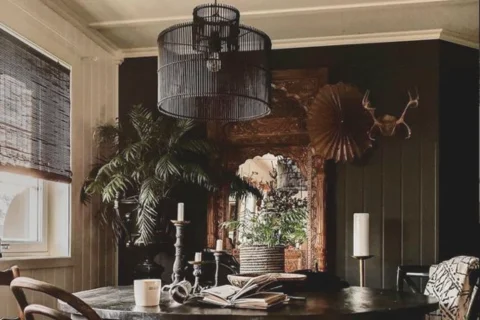
Create Western Gothic Interior Design at Home: Color Palette, Textures & Western Motifs for Modern U.S. Homeowners
Western Gothic interior design is a style you can absolutely create at home and it works because it blends two powerful emotions: Gothic drama (moody, romantic, shadowy) with Western Americana grit (worn leather, weathered wood, ranch details). To start, you’ll build the look by choosing a dark-but-livable color palette, layering tactile textures, and adding a few Western motifs with restraint.
Next, the fastest way to make Western Gothic feel “real” (not themed) is to get the color palette right first. When your base neutrals, accent shades, and metals work together, every later choice cowhide, velvet, iron, vintage art looks intentional instead of random.
In addition, the style is texture-driven. Western Gothic doesn’t rely on a single decor item; it relies on material contrast: soft vs rugged, matte vs shine, refined vs raw. Once you learn a few layering “recipes,” you can apply them room-by-room without overbuying.
Finally, Western motifs are the difference between “moody Gothic” and “Western Gothic.” After that, we’ll move into practical choices motifs that elevate (and motifs that look costume-y), furniture silhouettes that feel modern, lighting that creates atmosphere, and a simple checklist designed for modern U.S. homeowners.

What is Western Gothic interior design, and what makes it different from “Gothic” or “Western” decor?
Western Gothic interior design is a hybrid decorating style rooted in Gothic mood and ornament, layered with Western Americana materials and symbols resulting in spaces that feel dramatic, rustic, and story-rich rather than purely Victorian or purely ranch.
To connect the dots, you can think of it as a “style equation”:
- Gothic side: deep color, candle-like lighting, romantic shadows, antique silhouettes, a touch of ornate detail.
- Western side: leather, raw wood, iron hardware, cowhide, vintage rodeo art, saddle-inspired details, earthy patina.
- Modern homeowner filter: cleaner lines, fewer knick-knacks, strong negative space, and higher-quality “hero pieces.”

Is Western Gothic interior design a mix of Gothic drama and rugged Americana?
Yes Western Gothic interior design is a mix of Gothic drama and rugged Americana for at least three reasons: (1) it uses a moody, high-contrast palette, (2) it prioritizes tactile ranch materials like leather and aged wood, and (3) it features Western motifs that signal story and place.
To start, the most important reason is the palette: Western Gothic leans into charcoals, warm blacks, oxblood, tobacco brown, and antique brass colors that create cinematic depth.
Next, the materials do the heavy lifting: leather, iron, and weathered wood instantly read “Western,” while velvet, carved frames, and dramatic silhouettes pull it Gothic. Finally, motifs like cowhide, vintage Western prints, and saddle details are used as accents so the room tells a story without turning into a set.
Western Gothic vs Gothic Revival vs Western Rustic: what’s the difference?
Western Gothic wins on “hybrid storytelling,” Gothic Revival wins on “historic ornament,” and Western Rustic is strongest in “ranch comfort.” The difference comes down to palette, detail level, and the symbols you choose.
However, here’s the practical comparison that helps you decorate correctly:
- Gothic Revival: more architectural ornament, cathedral vibes, carved details, rich traditional fabrics; Western motifs are typically absent.
- Western Rustic: lighter, simpler, more casual; lots of raw wood and country comfort; less darkness and less drama.
- Western Gothic: the “dark side of the West” moody palette + rugged textures + curated symbols (cowhide, iron, vintage Americana) with romantic lighting.
What color palette creates a true Western Gothic look at home?
There are 4 main Western Gothic color families base neutrals, accent “blood-and-rust” shades, metal tones, and patina hues chosen to create high contrast without making a modern home feel like a haunted house.
To begin, the palette should feel grounded and warm, not icy or neon. Western Gothic reads best when your darks have warmth (think soot, espresso, tobacco) and your accents feel aged (oxblood, rust, terracotta, dusty plum).
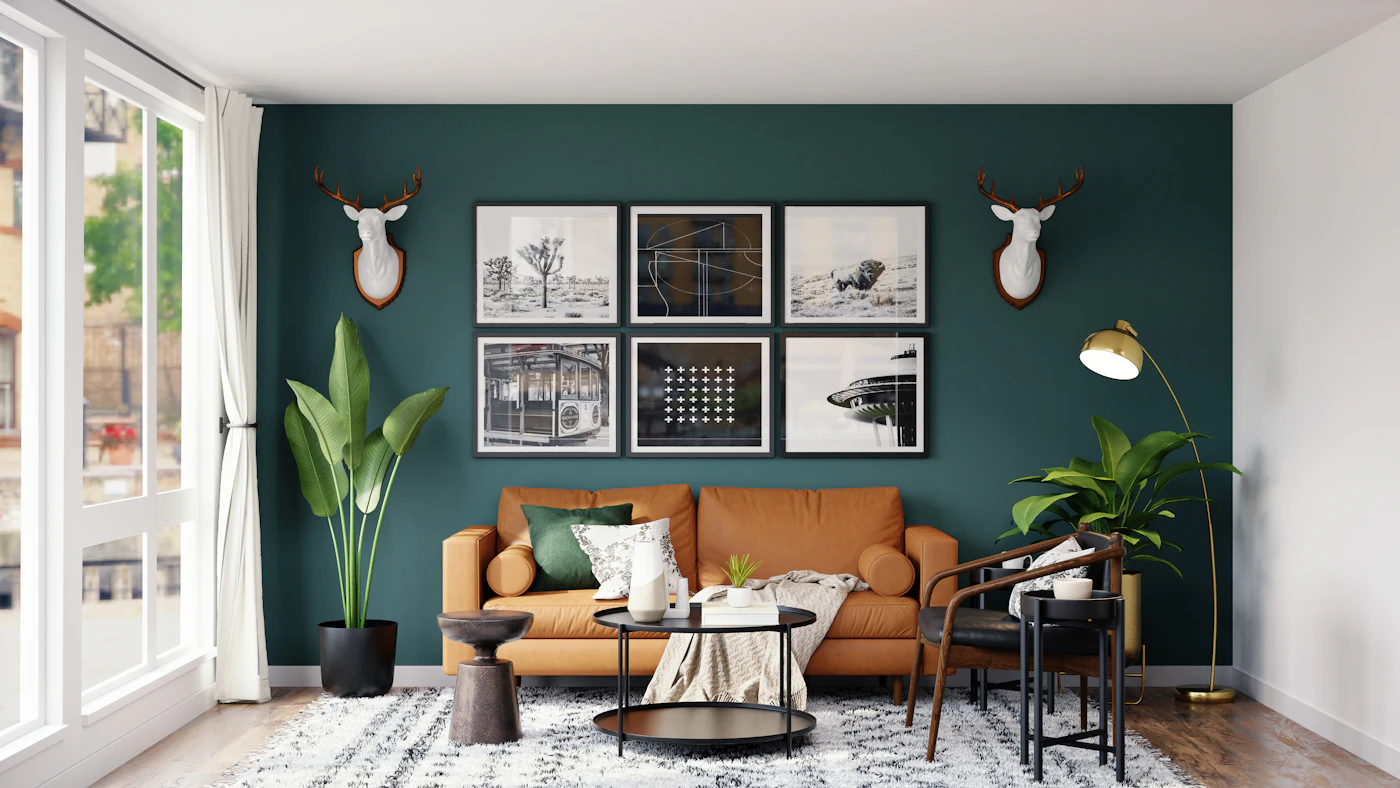
What are the 4 core Western Gothic color families (base, accent, metal, patina)?
There are 4 core Western Gothic color families: (A) base dark neutrals, (B) earthy-red accents, (C) aged metals, and (D) patina tones organized by the criteria of how they build depth and “old-world West” atmosphere.
Specifically, use these families like a recipe:
- (A) Base (60–70%): warm black, charcoal, deep brown, smoky taupe.
- (B) Accent (10–20%): oxblood, burgundy, rust, clay, deep plum.
- (C) Metals (5–10%): antique brass, blackened iron, aged bronze.
- (D) Patina (5–10%): sage, dusty olive, indigo, worn denim, muted turquoise (use sparingly).
This structure keeps the look moody and cohesive without turning every surface dark.
Is a warm black or cool black better for Western Gothic interiors?
Warm black wins for Western Gothic mood, cool black works better for sharper modern minimalism, and charcoal is the safest option for most homes. Choose based on undertone, natural light, and the wood species you already have.
However, here’s the simple decision tree:
- Choose warm black if you have honey oak, walnut, saddle leather, terracotta, brass, or warm white walls.
- Choose cool black if your home leans industrial-modern with stainless, concrete, cool gray stone, or bluish daylight.
- Choose charcoal if you want “moody” without fully committing to black paint.
In Western Gothic specifically, warm black usually looks more authentic because it harmonizes with leather and aged wood rather than fighting them.
Can you do Western Gothic with light walls, or do you need dark paint?
Yes you can do Western Gothic with light walls because (1) contrast can come from furniture and textiles, (2) lighting can create shadow and drama, and (3) Western motifs and metals can add depth without painting everything dark.
To illustrate, try a “light-wall Western Gothic” approach:
- Walls: warm white, bone, greige, or dusty taupe.
- Anchors: a dark leather sofa, a blackened-iron shelf, or a charcoal velvet headboard.
- Textiles: one cowhide or kilim, plus velvet/linen contrast.
- Lighting: warm bulbs + shaded lamps to create pools of light (not flat brightness).
Which textures and materials define Western Gothic interiors (and how do you layer them)?
There are 4 essential texture groups rugged hides, soft luxury textiles, aged woods, and dark metals layered by the criteria of “touch + light reflection” to create a room that feels dramatic, lived-in, and modern rather than heavy.
Next, layering is what turns a “Pinterest idea” into a real home: you’ll use one hero texture, two supporting textures, and one accent texture then repeat them in small ways across the room.

What are the “hero textures” in Western Gothic style (leather, velvet, wood, iron)?
There are 4 hero textures in Western Gothic style: leather (rugged warmth), velvet (romantic depth), aged wood (story and grain), and iron (edge and structure) grouped by the criteria of how they create contrast and shadow.
Specifically, each texture has a job:
- Leather: adds Western authenticity and durable warmth; it also looks better with age.
- Velvet: adds Gothic romance and absorbs light, making colors look deeper.
- Aged wood: brings patina and grounding; think reclaimed, distressed, or antique finishes.
- Iron/blackened metal: creates crisp outlines (shelves, hardware, frames, lighting).
Velvet vs leather vs cowhide: which texture should lead in each room?
Leather wins for everyday durability, velvet is best for intimate drama, and cowhide works as a high-impact accent. Your “lead texture” should match the room’s function and traffic level.
However, use this room-by-room guide:
- Living room: lead with leather (sofa or chair), support with velvet pillows/curtains, accent with a cowhide or patterned rug.
- Bedroom: lead with velvet (headboard or bedding layers), support with wood nightstands, accent with leather bench or straps.
- Entryway: lead with wood + iron (console + mirror), accent with leather tray or cowhide runner.
This keeps the style functional especially for modern U.S. homeowners who want a look that’s livable, not precious.
How do you layer textures without making the room feel heavy or cluttered?
Layer textures using a 70/20/10 balance in 3 steps one dominant texture, two supporting textures, and one accent so the room feels curated and breathable while still dramatic.
To begin, follow this simple layering method:
- Pick one hero: leather sofa or velvet bed or a large aged-wood piece.
- Add two supports: wood + iron, or velvet + iron, repeated in frames, lighting, and hardware.
- Finish with one accent: cowhide, fringe, a tooled-leather pillow, or a vintage tapestry just one “loud” piece per zone.
In addition, control “visual weight” with negative space: leave at least one wall area mostly quiet (simple art, no shelves packed with objects). That’s what keeps Western Gothic modern not maximalist.
What Western motifs belong in Western Gothic design (and which ones look costume-y)?
There are 7 Western motif categories that fit Western Gothic ranch hardware, hide patterns, equestrian details, vintage Americana art, desert symbols, fringe/tooled leather, and worn typography organized by the criteria of “symbol + material authenticity.”
However, the key is restraint: motifs should act like punctuation, not paragraphs. One or two strong motifs beat ten small novelty items every time.

What are the 7 most recognizable Western Gothic motifs (and what do they signal)?
There are 7 recognizable Western Gothic motifs: (1) cowhide/animal pattern, (2) saddlery hardware, (3) vintage rodeo art, (4) desert botanicals, (5) skull/horn symbolism, (6) fringe/tooled leather, and (7) antique typography grouped by what story they tell.
Specifically, here’s what each motif signals:
- Cowhide: ranch authenticity and bold graphic pattern.
- Saddlery hardware (buckles, conchos): craftsmanship and tactile detail.
- Vintage rodeo art/posters: Americana nostalgia and narrative.
- Desert botanicals (cactus silhouettes, dried grasses): Southwest atmosphere use subtly.
- Skulls/horns: frontier symbolism; keep it abstract or artistic to avoid “costume.”
- Fringe/tooled leather: Western texture; best in small doses (pillows, lampshades, throws).
- Antique typography/maps: place and history; looks elevated in dark frames.
Do skulls, horns, and taxidermy fit Western Gothic interiors?
Yes skulls, horns, and taxidermy can fit Western Gothic interiors because (1) they’re historically connected to Western iconography, (2) they add sculptural drama that Gothic style loves, and (3) they create a strong focal point with minimal clutter when used sparingly.
However, the modern approach is to keep it tasteful and ethical:
- Choose art-first versions: a framed skull illustration, a ceramic sculpture, or a metal wall piece.
- Scale matters: one large sculptural piece is better than multiple small novelty items.
- Balance the vibe: pair with warm lighting and soft textiles so it feels curated, not spooky.
Western Gothic motifs vs Southwestern motifs: what’s the difference?
Western Gothic wins on darkness and antique drama, Southwestern decor is strongest in sun-baked color and geometric pattern. The difference shows up in saturation, symbolism, and metals.
In other words:
- Western Gothic: warm black, oxblood, antique brass, iron, leather, vintage Americana, shadowy lighting.
- Southwestern: terracotta, turquoise, cream, woven geometrics, brighter daylight vibe, lighter woods.
If you love both, use Southwestern motifs as tiny patina accents (a muted turquoise book spine, a faded textile) while keeping the overall room Western Gothic in palette and lighting.
What furniture and silhouettes make Western Gothic look modern (not dated)?
There are 5 furniture “anchors” that make Western Gothic feel modern a leather seating piece, a dark wood surface, an iron framework, one vintage storage piece, and one sculptural accent chosen by the criteria of scale, function, and visual weight.
Next, your goal is to keep silhouettes clean: let the materials feel old, but let the layout feel edited.

What are the 5 anchor furniture pieces for a Western Gothic living room?
There are 5 anchor pieces for a Western Gothic living room: (1) leather sofa or chair, (2) dark wood coffee table, (3) iron shelving or console, (4) vintage cabinet or trunk, and (5) one statement chair or ottoman grouped by the role each plays.
Specifically, use these anchors like a blueprint:
- Leather seating: the Western foundation (choose warm brown, black, or oxblood).
- Dark wood table: grounds the space and adds grain texture.
- Iron structure: shelves/console that add clean lines and edge.
- Vintage storage: trunk, apothecary cabinet, or sideboard for “history.”
- Statement piece: velvet chair, cowhide ottoman, or carved wood chair one focal accent.
Antique statement pieces vs modern clean-lined pieces: which should dominate?
Modern clean-lined pieces win for daily livability, antique statement pieces are best as accents, and a balanced mix is the most foolproof approach. Dominate with one category based on your home’s architecture.
However, here are two proven formulas:
- Modern base + antique accents (best for most U.S. homes): modern sofa + antique cabinet + vintage art.
- Antique base + modern edits (best for historic homes): antique dining table + modern lighting + simplified textiles.
This prevents the room from feeling like a period set while still honoring the Gothic-Western story.
Can Western Gothic work in small spaces or apartments?
Yes Western Gothic can work in small spaces because (1) the palette can be concentrated in textiles and art, (2) one hero texture creates the vibe without clutter, and (3) lighting can deliver drama even when square footage is limited.
To start, scale down the motif count, not the mood:
- Choose one leather piece (chair, bench, or headboard).
- Use one large art print (vintage Western or dark romantic portrait).
- Add one bold rug (cowhide or vintage-style patterned) to establish identity.
- Use warm lamps and sconces so the room glows instead of feeling dark.
What lighting creates Western Gothic atmosphere (without making rooms too dark)?
Western Gothic lighting is layered warm illumination (typically dimmable and shade-based) that creates pools of light and shadow using a mix of ambient, task, and accent sources so the room feels dramatic and cozy rather than gloomy.
Next, think of lighting as the “director” of the style: it decides whether your dark palette reads luxurious or flat.

What are the best lighting types for Western Gothic (sconces, candles, lanterns, chandeliers)?
There are 4 best lighting types for Western Gothic: sconces, shaded table/floor lamps, lantern-style pendants, and chandeliers grouped by the criteria of how they create shadow, sparkle, and warmth.
Specifically:
- Sconces: add Gothic romance and “old hotel” mood; choose blackened iron or antique brass.
- Shaded lamps: the easiest way to soften dark rooms; pick warm-toned shades (linen, parchment, suede).
- Lantern pendants: add Western character; look for minimal frames, not overly ornate cages.
- Chandeliers: a dramatic silhouette; candle-style bulbs or smoked glass work beautifully.
2700K vs 3000K: which color temperature fits Western Gothic?
2700K wins for romance and candle-like warmth, 3000K is best for a slightly cleaner modern look, and anything cooler typically fights the Western Gothic vibe. Choose based on how dark your room is and how much clarity you want.
However, here’s a practical rule:
- Choose 2700K if you have dark paint, velvet, heavy wood, or want a vintage saloon vibe.
- Choose 3000K if you want “modern Western Gothic” with sharper edges and better task visibility.
Evidence: DarkSky’s luminaire guidelines set a common outdoor lighting comfort threshold at ≤3000K for approved fixtures supporting the idea that warm CCT reads more comfortable and less harsh.
Do you need candles to get the Western Gothic look?
No you don’t need candles to get the Western Gothic look because (1) warm dimmable bulbs can mimic candlelight, (2) shaded lamps create the same soft pools of light, and (3) reflective metals and dark frames can deliver drama without open flames.
Instead, create “candle energy” safely:
- Use dimmers and warm bulbs.
- Choose lampshades that hide the bulb point.
- Add a small reflective element (antique brass tray, dark mirror) to bounce warm light.
How do you apply Western Gothic style room-by-room at home?
There are 3 room-by-room application paths entryway impact, living room foundation, and bedroom coziness grouped by the criteria of what each room needs first: function, anchor pieces, and mood.
Next, you’ll build consistency by repeating your core palette and two hero textures across rooms, then changing the motif emphasis by space.
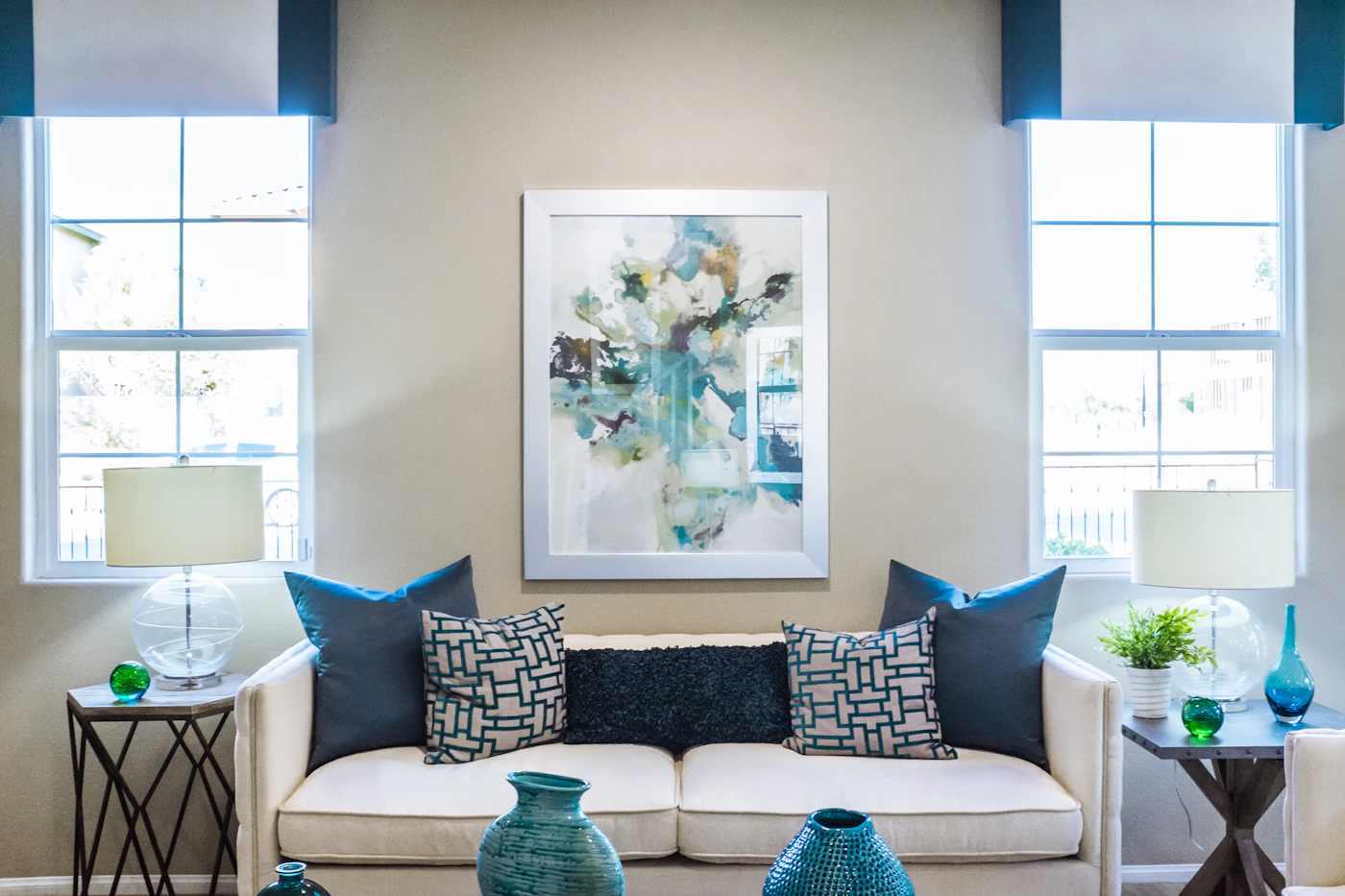
How do you style a Western Gothic entryway for instant impact?
Style a Western Gothic entryway with 4 elements a dark-framed mirror, a grounded console, one tactile tray, and one Western motif accent so the first five seconds feel dramatic and curated.
To begin, use this fast entry formula:
- Mirror: arched, carved, or dark-framed (Gothic signal).
- Console: dark wood or iron base (Western grounding).
- Lighting: a sconce or lamp with a warm shade (mood control).
- Motif: one vintage print, a leather catchall, or a small brass object (story accent).
In addition, keep clutter off the surface. The “edited” look is what makes Western Gothic feel modern.
What’s the simplest Western Gothic living room formula?
The simplest Western Gothic living room formula is leather base + dark wood + iron lines + one large art piece + one patterned textile, which creates the style in a single visual sweep without overdecorating.
Specifically:
- Leather base: sofa or chair in warm brown/black.
- Dark wood: coffee table or media console with visible grain.
- Iron: shelving, frames, or lighting to sharpen edges.
- Art: one oversized vintage Western print or a dark romantic portrait.
- Textile: cowhide, kilim, or velvet throw just one “statement” textile.
How do you design a Western Gothic bedroom that feels cozy, not spooky?
Velvet wins for softness, leather adds structure, and warm lighting is the key to comfort so a cozy Western Gothic bedroom uses softer textures and warmer pools of light rather than harsh contrast everywhere.
However, keep the mood “romantic” instead of “horror” with these choices:
- Textiles: layered bedding (linen + velvet pillow + wool throw).
- Palette: charcoal + warm cream + oxblood accents (not pure black everywhere).
- Lighting: shaded lamps, dimmable bedside sconces, and one warm overhead fixture.
What is the easiest “get the look” checklist for modern U.S. homeowners?
There are 10 must-have Western Gothic elements palette, two hero textures, one Western motif, aged metals, moody lighting, scaled art, grounded wood, iron structure, one patterned textile, and edited styling organized by the criteria of maximum impact with minimal clutter.
Next, use this checklist to decorate efficiently: start with the biggest surfaces and anchors, then add accents last.
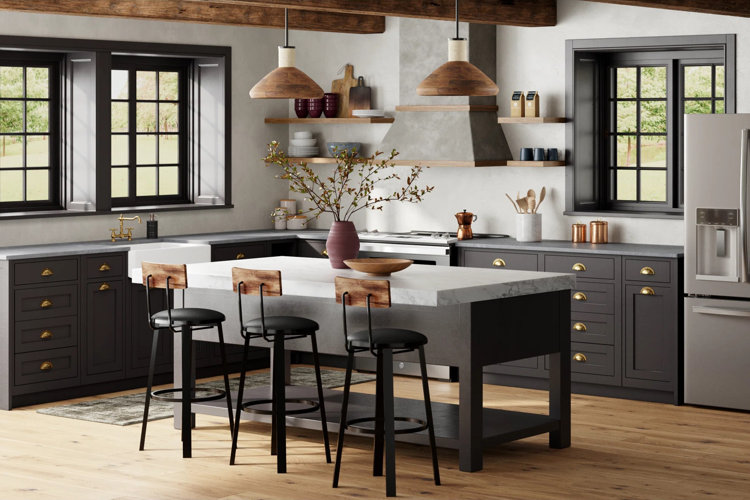
What are the 10 must-have elements (from paint to textiles to decor)?
There are 10 must-have elements: (1) dark-neutral base, (2) earthy accent color, (3) leather, (4) velvet or soft luxe textile, (5) aged wood, (6) iron/blackened metal, (7) antique brass or bronze, (8) warm layered lighting, (9) one Western motif, and (10) one bold textile pattern grouped by the criteria of “foundation to finishing.”
To make it actionable, here’s the order of operations:
- Foundation: base color + wood/metal anchors.
- Texture: leather + velvet/linen/wool layers.
- Atmosphere: warm lamps + dimming + shade-based light.
- Story: one Western motif + one oversized art piece.
Budget vs mid-range vs investment pieces: what should you buy first?
Investment wins for seating and lighting, mid-range is best for rugs and tables, and budget works for decor accents. This approach keeps the room elevated while still attainable.
Specifically:
- Invest first: leather sofa/chair, quality lighting (dimmable), one large rug if possible.
- Mid-range: coffee table/console, curtains, bedding.
- Budget: frames, small brass objects, thrifted art, faux botanicals, trays.
When you spend on the “hero pieces,” you can keep motifs minimal and still get the full Western Gothic effect.
Can you create Western Gothic with thrifted finds and DIY?
Yes you can create Western Gothic with thrifted finds and DIY because (1) vintage patina is a core part of the aesthetic, (2) secondhand frames and wood pieces look more authentic than brand-new “distressed” items, and (3) DIY refinishing lets you unify the palette fast.
To begin, thrift with categories instead of random browsing:
- Frames: dark wood, ornate black, or antique gold (then tone down with wax if too shiny).
- Wood pieces: trunks, cabinets, side tables focus on solid shape over perfect finish.
- Metal: candleholders, hardware, lanterns; look for aged brass/iron tones.
- Textiles: wool blankets, velvet pillows, kilim-style rugs.
How can you refine Western Gothic style with modern rules, regional variants, and ethical alternatives?
Refine Western Gothic by balancing 3 opposites dark vs airy, antique vs modern, and rugged vs refined so your home feels intentional, region-appropriate, and ethical without losing the signature mood.
In addition, this is where modern U.S. homeowners make the style truly theirs: you choose a variant (desert goth, Victorian ranch, mountain lodge), tune undertones, and select materials that match your values and climate.

Dark vs airy Western Gothic: can you keep the mood without black walls?
Dark Western Gothic wins for drama, airy Western Gothic works better for small homes and bright climates, and both can look authentic if your textures and lighting stay consistent.
However, airy Western Gothic requires stronger anchors:
- Use light walls but choose dark large-scale furniture (leather, dark wood).
- Keep metals aged (antique brass, iron) instead of shiny chrome.
- Use shadow-making lighting (shaded lamps, sconces) rather than bright overhead-only lighting.
Victorian ranch vs desert goth vs mountain lodge: which Western Gothic variant fits your home?
There are 3 Western Gothic variants Victorian ranch, desert goth, and mountain lodge grouped by region-inspired materials, colors, and motifs.
Specifically:
- Victorian ranch: more ornate frames, darker florals, carved wood, candle-like lighting, richer oxblood accents.
- Desert goth: charcoal + clay + muted sage, sun-faded textiles, desert botanicals, lighter woods with dark metal.
- Mountain lodge: heavier woods, wool plaids, iron hardware, antler-like silhouettes (kept tasteful), thicker texture layering.
Real cowhide vs faux: what are the best cruelty-free Western Gothic options?
Real cowhide wins for authenticity, faux wins for cruelty-free ease, and vintage leather often offers the best “ethical + aesthetic” balance. Choose based on values, budget, and how much wear you expect.
To illustrate, strong alternatives that still read Western Gothic:
- Vintage leather: secondhand chairs, belts-as-straps decor, or reupholstered benches.
- Faux cowhide rugs: pick a high-quality print with subtle color variation (avoid overly high-contrast cartoon spots).
- Woven patterns: kilim and saddle-blanket inspired rugs can replace hide while keeping Western identity.
Oxblood vs burgundy vs rust: which accent color reads most “Western Gothic”?
Oxblood wins for Western Gothic richness, burgundy reads more classic-romantic, and rust feels most “desert West.” Choose based on your woods and metals.
However, here’s the shortcut:
- Oxblood with antique brass and warm black (most iconic Western Gothic pairing).
- Burgundy with darker walnut and ornate frames (more Gothic-leaning).
- Rust with lighter woods and sage patina accents (more desert-leaning).
How do you make Western Gothic look expensive, not like a Halloween theme?
Western Gothic looks expensive when you use restraint, scale, and quality lighting: choose fewer, larger pieces; avoid novelty decor; repeat your palette; and let textures do the storytelling instead of props.
To begin, apply the “museum rule”:
- One hero per wall: one oversized framed print or mirror beats a collage of small themed items.
- One motif per zone: cowhide in the living room, saddlery hardware in the entry don’t use everything everywhere.
- One metal story: blackened iron + antique brass (avoid adding shiny chrome).
Evidence line (lighting micro-detail): According to DarkSky’s luminaire guidelines, residential fixtures in their program are capped at 1,000 lumens and ≤3000K CCT limits that align with “comfortable, non-glary” lighting that reads more refined than harsh brightness.
Evidence line (environment micro-detail): According to a 2016 peer-reviewed field experiment by the University of Bath (published October 2016 in Ecology and Evolution), LEDs attracted significantly fewer insects than some conventional light sources, while the difference between cool-white and warm-white LEDs was not significant suggesting fixture choice and overall lighting strategy can matter as much as CCT alone.
Source research:
- Moody Modern Decor: How to Create a Dark, Cozy Home Without Feeling Gloomy
- Warm Black vs Cool Black Paint: Choosing Undertones for Your Home
- How to Layer Textures Like a Designer: Leather, Velvet, Wood & Metals
- 2700K vs 3000K Light Bulbs: Which Looks Best for Cozy Rooms?
- Statement Pendant Lights for Moody, Dramatic Interiors
Source image:
- https://assets.wfcdn.com/im/52006820/resize-h500-w750%5Ecompr-r85/2674/267409640/default_name.jpg
- https://images.unsplash.com/photo-1615873968403-89e068629265?auto=format&fit=crop&w=1400&q=80
Articles on the same topic:
-

How to Remove a Fluorescent Light Cover (Lens) Safely: Tabs, Clips, and Sliding Diffusers
-

How Many Pendant Lights Over a 5 Foot Island? The Definitive Spacing & Sizing Guide
-
Set the Perfect Chandelier Height Above Dining Table: Inches, Ceiling Rules & Sightlines
-
How to Add Lighting to a Room Without Wiring With 10 Smart Solutions
-
What Is Scandinavian Design and What Makes This Style So Distinctive
-
Feng Shui Bedroom Decor Ideas for Better Sleep