

Step-by-Step how to clean a polyester fiber couch
To begin your journey in synthetic fiber cleaning, you must first act as a detective. Every piece of furniture has a story, and for a polyester sofa, that story is written on the manufacturer label. This small piece of fabric is your roadmap.
Before you even think about applying moisture, check for the cleaning code. These guidelines ensure safety and prevent you from accidentally ruining the durable texture of your investment.
Understanding the industry standards is vital for any homeowner. The codes tell you exactly what the textile fiber can handle. If you are comparing this to the care required for stunning modern luxury sofa designs, you will find that polyester is remarkably resilient when handled correctly.
| Code | Meaning | Method |
|---|---|---|
| W | Water-based | Use water-based cleaning agents. |
| S | Solvent-based | Use water-free, solvent-based cleaners. |
| S-W | Both | Use either water or solvent cleaners. |
| X | Vacuum only | No liquids; professional cleaning recommended. |
Once you confirm the tag indicates code W or S-W, start with deep vacuuming. A user vacuums couch to ensure dust settles on fiber no longer. Use the upholstery brush attachment and move in straight lines.

This specific motion is vital because straight lines prevent wear and ensure you reach the deep crevices where pet hair hides. Vacuuming in straight lines removes loose debris before it can turn into mud when wet.
Next, prepare your cleaning solution. A standard ratio involves 1 part vinegar : 1 part water. In this mix, water dilutes soap and vinegar, creating a safe mist that dampens surface areas without saturating them.
Always use distilled water because this specific water type prevents mineral deposits. Dip a microfiber cloth into the solution and wring it out well. A cloth blots stain most effectively when it is damp, not dripping.
Slide the cloth in a one-way motion. This maintains the integrity of the weave. After cleaning, rinse the area with a fresh cloth dampened only with distilled water. This step is crucial because soap residue attracts dirt, leading to faster re-soiling.
Finally, let the piece air dry. Avoid using a hair dryer, as excessive heat shrinks polyester. Instead, a fan circulates air to speed up the process safely.
Targeted Solutions for Tough Stains and Spills
When life happens and grease stains or ink marks appear, you need a targeted strike. For oily mishaps, baking soda treats grease by absorbing the liquid. You can also use cornstarch, which lifts grease through capillary action before the oil sets.
Simply sprinkle the powder on the spot and let the baking soda sit time reach at least 15 minutes. Afterward, the vacuum removes dust and the absorbed oil simultaneously. This is a much simpler process than maintaining luxury black leather sofas for your home, which require specific oils and conditioners.
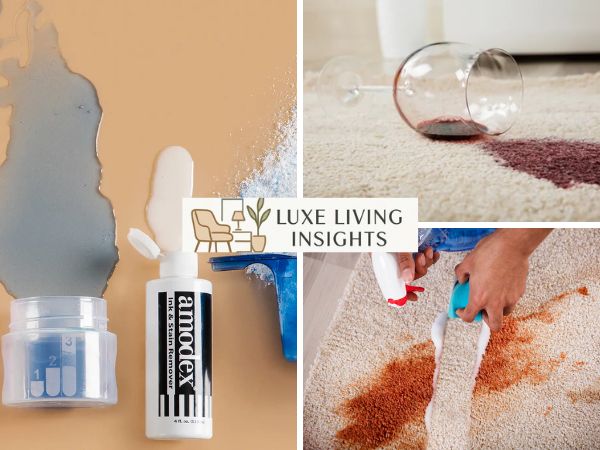
For more stubborn pigments like ink, isopropyl alcohol is your best friend. In this scenario, alcohol removes ink by breaking down the chemical bonds. Use a cotton ball and dab—never rub.
If you are dealing with wine, coffee, or tea, remember that a waterproof coating repels wine initially, but you must act fast. A neutral soap and water mixture will work, provided you towel dries moisture immediately after. Vinegar neutralizes odors during this process, ensuring the fabric smells fresh.
Restoring and Reviving Fabric Texture
After a couch deep cleaning, you might notice the fabric feels a bit stiff. This is common with synthetic fibers. A soft-bristled brush is the tool you need to restore fabric softness. By gently brushing the surface, the brush lifts fibers that have clumped together.
This restores the texture and ensures the polyester remains soft to the touch. This attention to detail is what keeps stunning luxury handmade sofas looking gallery-quality for years.
Regular upholstery maintenance should include this step. Brushing prevents matting and keeps the synthetic fiber from looking flat. If you have modern technical fabrics, such as Easy Clean or Waterproof finishes, maintenance is even easier.
An Easy Clean fabric has a stain resistant property that allows most spills to be wiped away with just a damp cloth, while a waterproof finish has a liquid repellent property that keeps moisture on the surface, preventing deep penetration into the padding.
Essential Tools and Homemade Cleaning Solutions
Building a microfiber furniture care kit is simple. You likely already have the ingredients for the ideal DIY cleaning ratio. White vinegar and a neutral soap (which has a neutral pH level) are the foundations.

In this chemical interaction, white vinegar breaks down stains, while dish soap emulsifies oils. This approach is highly effective for modern textiles but should be used with caution on stunning luxury victorian sofas, which often feature delicate antique trims.
- Vinegar: White distilled variety is best.
- Soap: Neutral pH detergent only.
- Cleaning Cloth: Microfiber to prevent lint transfer.
- Fabric Brush: Soft bristles to avoid snagging.
- Spray Bottle: Applies mist evenly across the surface.
Using a spray bottle allows for even application. Mist dampens surface areas just enough to activate the cleaners without saturating the foam. This is the secret to avoiding those dreaded water rings. When the evaporation rate is consistent across the fabric, you get a flawless, professional finish every time.
Proactive Maintenance to Extend Couch Longevity
The best way to clean a couch is to keep it from getting dirty. Maintenance extends durability. Make it a habit to use the vacuum once a week to ensure dust doesn’t settle deep into the textile fiber.
If you use a low-pressure machine, ensure the pressure is set to 100-150 PSI. Higher pressure can damage the backing of the polyester upholstery.
Keep your furniture out of the direct sunlight. UV rays can weaken the textile fiber over time, leading to fading. By following these guidelines, you ensure safety for your furniture and your family. Proper care means your polyester couch will remain a centerpiece of comfort for many years.
Frequently Asked Questions About Cleaning Polyester Fiber
How should grease and oil be removed from polyester upholstery?
To remove grease or oil from a polyester couch, you should first apply an absorbent powder such as baking soda or cornstarch. These substances utilize capillary action to lift the oil out of the synthetic fiber. Allow the powder to sit for at least 15 minutes before utilizing a vacuum to remove the residue. If a mark remains, a neutral soap solution may be used to spot-treat the area, followed by a thorough blot with a microfiber cloth.
What is the recommended method for deodorizing a polyester sofa?
Deodorizing a polyester sofa is most effectively achieved using sodium bicarbonate. The user should sprinkle a generous amount of baking soda over the entire surface of the furniture. This substance effectively absorbs odors trapped within the textile fiber. After allowing the powder to sit for 10 to 15 minutes, the user vacuums couch to remove all traces of the powder. This method ensures home furniture hygiene without the use of harsh chemicals.
Can water be used on all types of polyester fabric?
Water should only be used if the cleaning tag specifies a code W or S-W. A tag indicates code S requires solvent-based cleaners, while code X signifies that the fabric is vacuum only. Using water on an S coded fabric can result in permanent water rings or shrinkage, as heat and moisture can damage the specific texture of certain polyester blends. Always verify the label provides instructions before proceeding.
How can the softness of polyester fabric be restored after cleaning?
If the polyester feels stiff once it has dried, the fabric stiffness restoration process involves using a soft-bristled brush. By gently moving the brush over the upholstery, the brush lifts fibers that have become flattened. This action restores the original texture and prevents matting. Regular brushing is a key part of upholstery maintenance that extends the durability and aesthetic appeal of the furniture.
Conclusion
Keep your polyester couch pristine with these expert techniques. For more high-end interior insights, visit luxelivinginsights. Please share your tips how to clean a polyester fiber couch or ask questions in the comments below!