
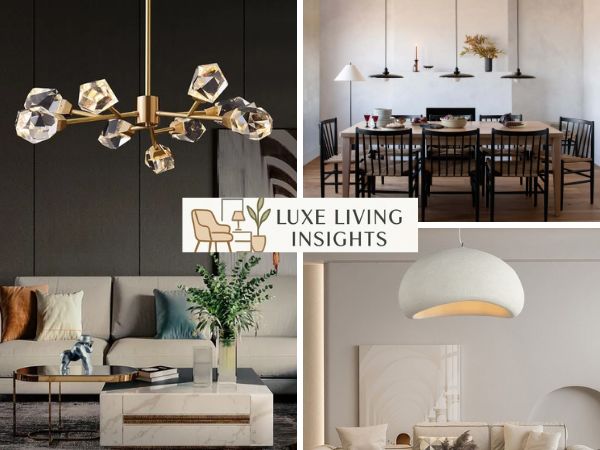
Quick Pendant Light Size Rule for Living Rooms
Interior designers often follow a simple sizing rule:
• Add the room length and width in feet
• Convert the result to inches for the ideal pendant diameter
Example:
10 × 10 ft room → about 20-inch pendant
12 × 14 ft room → about 26-inch pendant
15 × 20 ft room → about 35-inch pendant
This guideline keeps the fixture visually balanced with the living room furniture and ceiling height.
Determining the Perfect Pendant Light Size Based on Your Living Room Dimensions
Choosing the right pendant light size requires balancing room dimensions with the overall visual scale of the space. If you select a fixture that is too small, it leads to under-illumination and a loss of visual impact.
Conversely, an extra large pendant light might overwhelm a small space. To find the sweet spot, professional designers use a specific formula: add the length and width of your room in feet. The resulting sum, when converted to centimeters, represents the ideal fixture width.
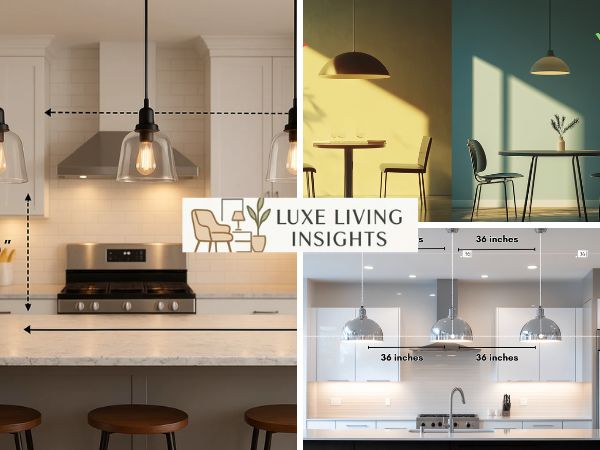
For example, a 12 x 14-foot room equals a combined value of 26, which translates to a recommendation of a fixture approximately 66.04 cm in diameter. For most modern living areas, large or extra large fixtures are preferred because they serve as a focal point.
When you think about living room lighting scale, you must consider the visual weight of the piece. A large pendant needs to feel substantial enough to anchor the seating area. Pendant lights are ceiling-hung fixtures that enhance room aesthetics by drawing the eye upward, making the ceiling feel higher and the room more expansive.
| Room Dimension (Feet) | Calculated Width (cm) | Suggested Pendant Category |
|---|---|---|
| 10 x 10 | about 50–55 cm | Medium |
| 12 x 14 | about 60–70 cm | Large |
| 15 x 20 | about 80–90 cm | Extra Large |
| 20 x 20 | about 100 cm | Statement Chandelier |
When calculating these proportions, remember that the room dimensions dictate the fixture width. If your living room features an open floor plan, define the living area specifically by the rug size or furniture arrangement to ensure the pendant light doesn’t feel lost in the broader architecture.
One common mistake homeowners make is choosing a pendant that is too small for the space. Interior designers often recommend sizing up slightly so the fixture becomes a visual anchor above the seating area rather than getting lost against the ceiling.
Essential Height Clearance and Placement for an Unobstructed Living Space
Once you have identified the diameter, you must address the hanging height. In a communal area, pendant lights must allow for unobstructed movement. The gold standard for ceiling height clearance is that the fixture should hang at least about 210 cm (7 feet) from the floor.
This specific minimum clearance avoids obstruction for walking paths and ensures that the light provides ambient lighting without creating a physical hazard. The ceiling height determines the hanging level.
In a room with high / standard ceilings, you have more flexibility. However, if you have vaulted ceilings, you will likely need a longer suspension method, such as a cord / chain / rod, to bring the light down to a level where it can effectively illuminate the space. Proper placement prevents glare and ensures the focal lighting fixture requires centered placement over the main coffee table or seating group.
While living room heights are standard, you might also be curious about Pendant Light Over Kitchen Sink Height for other areas of your home. A statement lighting height that is too high will make the fixture feel disconnected from the furniture below.
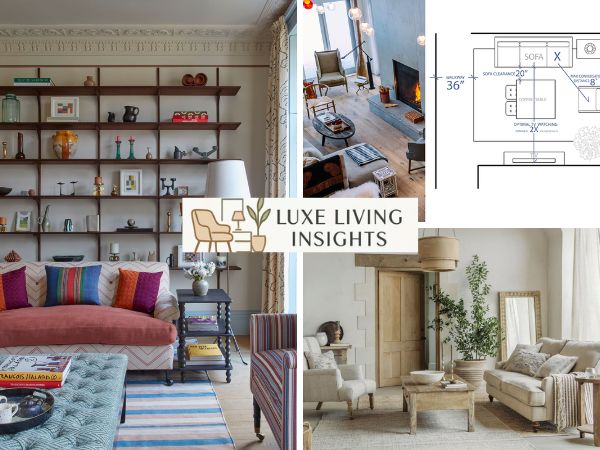
A height that is too low creates a visual barrier. By maintaining the 213.36 cm from the floor rule, you ensure the light is a statement piece that provides even illumination across the living room.
While size is the most important factor, the material and style of a pendant light also affect the overall look of the living room. Glass pendants create a bright and airy feel, while metal fixtures often suit modern or industrial interiors. Natural materials such as rattan or wood can soften the atmosphere and work well in relaxed or bohemian spaces.
Pendant Light Size Based on Ceiling Height
Ceiling height also influences the appropriate pendant size. Taller ceilings can visually support larger fixtures, while standard ceilings usually require more moderate dimensions.
General guideline:
• 8-foot ceiling → 45–60 cm pendant
• 9-foot ceiling → 55–75 cm pendant
• 10-foot ceiling or higher → 70–100 cm pendant
Larger fixtures tend to work better in living rooms with high ceilings because they maintain the visual balance of the space.
Selecting the Right Number of Fixtures for Even Illumination
While one extra large pendant is a classic choice, modern design often utilizes multiple fixtures to achieve even illumination. In a larger living room, a single light might cause poor illumination in the corners. Instead, you might consider a clustered arrangement of medium pendants to spread the ambient lighting more effectively.
Deciding on the quantity of fixtures depends heavily on the scale of the furniture below. For context on quantity and spacing, you might find it helpful to compare our guides on How Many Pendant Lights Over a 5 Foot Island or How Many Pendant Lights Over a 9-Ft Island. The Vilma Contemporary Irregular Pendant is excellent for creating a unique, artistic installation.
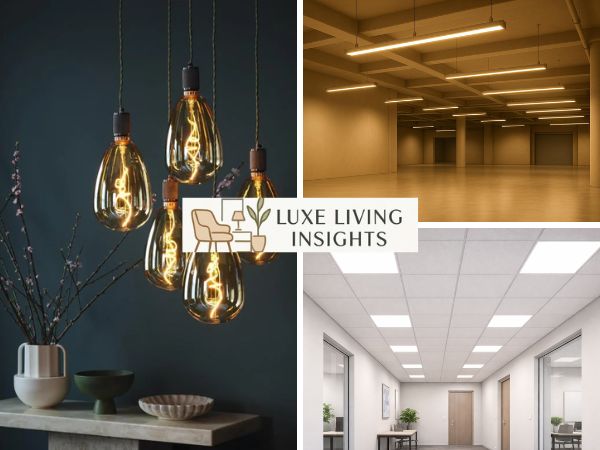
When multiple fixtures are used, they provide even illumination and can be adjusted to different heights to add depth. Small pendants work well as task lighting in nooks, but for the main living area, you should prioritize large or extra large fixtures to maintain the living room lighting scale.
Balancing Brightness and Energy Efficiency with Modern Bulb Options
The type of bulb you choose influences the brightness and ambiance. LED bulbs are now the industry standard because they are energy efficient and save electricity. They replace traditional incandescent bulbs, which are less sustainable.
When selecting bulbs, look for those with a high lumens count for large rooms, as they require higher wattage for sufficient brightness. LED-compatible pendants are a sustainable investment. You should also look for the Energy Star label, which ensures optimal performance.
Kelvin color temperature is another critical factor; a warmer temperature (around 2700K) creates a cozy living room vibe, while a cooler temperature (above 3000K) is better for task lighting. Utilizing dimmers allows you to adjust the illumination based on the time of day, enhancing the proportional lighting design.
Long-term Care and Maintenance for Luxury Pendant Fixtures
To ensure your investment is worth the cost, regular cleaning is essential. Glass pendant lights cleans best with a mild vinegar solution to ensure a streak-free shine. This improves light output and keeps the fixture looking luxury.
For metal fixtures, use a soft cloth to prevents scratching the surface. Fabric pendants should be gently vacuumed to remove dust. A Bakarne Geometric Globe or an Acacia Stylish Elegant globe will only remain a statement piece if it is kept free of grime.
Regular cleaning maintains the fixture’s appearance and ensures the illumination remains crisp and clear.
FAQ
Why does living room size matter when choosing a pendant light?
Room size is a critical factor because it determines the visual balance of the environment. A pendant that is too small for a large area will fail to provide adequate illumination and will look disproportionate.
Conversely, a fixture that is too large for a small area will overwhelm the space and make it feel cramped. Matching the pendant light dimensions to the room ensures both functional lighting and a cohesive proportional lighting design.
How high should a pendant light hang in a living room?
The standard recommendation for a living room is to maintain a minimum clearance of 213.36 cm from the floor. This height ensures the light is a statement piece while remaining high enough to avoids obstruction for people walking through the room.
If the ceiling is exceptionally high, the height should be adjusted to keep the fixture within the visual line of the living space.
How do I clean a glass pendant light effectively?
Glass fixtures should be cleaned using a mild vinegar solution. This method provides a streak-free shine and improves the overall light output of the bulb.
It is important to turn off the power and allow the bulb to cool before cleaning. Using a lint-free cloth will help maintain the luxury appearance of the glass without leaving behind debris.
Which bulb type is best for energy efficiency?
LED bulbs are the best choice for energy efficiency. They save electricity and have a significantly longer lifespan compared to incandescent bulbs.
When choosing an LED, ensure it is Energy Star certified to guarantee optimal performance and sustainable energy usage in your living room.
Articles on the same topic:
-

How to Remove a Fluorescent Light Cover (Lens) Safely: Tabs, Clips, and Sliding Diffusers
-

How Many Pendant Lights Over a 5 Foot Island? The Definitive Spacing & Sizing Guide
-

Set the Perfect Chandelier Height Above Dining Table: Inches, Ceiling Rules & Sightlines
-
How to Add Lighting to a Room Without Wiring With 10 Smart Solutions
-
What Is Scandinavian Design and What Makes This Style So Distinctive
-

Feng Shui Bedroom Decor Ideas for Better Sleep