
The ideal pendant light height over a dining table is 30–36 inches (75–90 cm) from the tabletop to the bottom of the fixture.
- Use 30 inches for smaller lights or lower ceilings
- Use 36 inches for larger fixtures or higher ceilings
- Adjust slightly to avoid blocking sightlines across the table
This range ensures comfortable lighting, clear visibility, and balanced room proportions.
Hanging a new fixture? Getting the pendant height over table right is essential for both style and function. Our guide explores the 30-36 inch rule, lampshade types, and expert placement tips to ensure your dining area shines with professional-grade illumination.
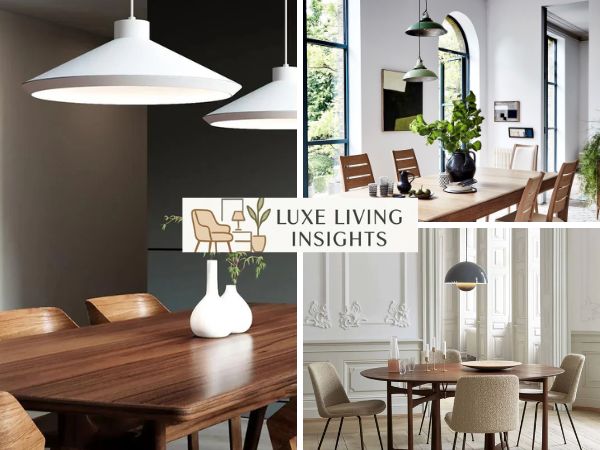
Finding the Perfect Distance Between Your Pendant Light and Dining Table
When you bring home a new pendant lamp, the first question is always about the lighting suspension height. Interior designers often refer to a specific rule of thumb: the 75 cm standard.
This standard rule ensures visibility and prevents eye level obstruction. In the world of interior lighting ergonomics, maintaining a 75 cm distance—roughly 30 inches—is the rule of thumb for a pendant light above the table.
To get this right, you must measure the tabletop clearance. The bottom of the lamp measures to the tabletop. This measurement ensures the luminaire positioning provides enough overhead fixture placement without causing glare.
A pendant light hangs above the dining table to create a focal point. If the light is too high, you lose the visual comfort and the dining room illumination feels disconnected. If it is too low, it creates a physical barrier between guests.
The 75 cm rule applies to large lamps. This ensures the pendant light has a height of 75 cm to balance the room. The hanging light distance is not just about a number; it is about how the light shines on the plate or food. This vertical light alignment creates the perfect ambient lighting.
Maintaining the standard rule prevents obstruction, allowing guests to see each other clearly during a meal. Professionals know that correct height improves visibility.
| Entity | Attribute | Value |
|---|---|---|
| Pendant Light | Standard Height | 75 cm |
| Rule of Thumb | Standard | 75 cm distance |
| Tabletop | Reference Point | Bottom of lamp |
| Room | Setting | Dining Area |
Why height matters for comfort and visibility:
The right height isn’t just about measurement—it affects how people interact at the table.
- If the light is too low, it blocks eye contact
- If it’s too high, the table feels disconnected from the room
- The ideal height keeps faces visible while still creating a cozy focal point
This balance is what designers call visual comfort and proportion.
Adjusting Hanging Height Based on Lamp Size and Scale
Not every pendant light is equal. The pendant light size is varied, and this influences hanging height. For instance, a small pendant has a suggested height of 55 cm. These smaller pendant lights can be hung lower to create an intimate illumination radius. When a pendant light size is small, the 55 cm rule applies to small lamps.
This specific height adjustment depends on the lamp size. Understanding scale is vital; if you are expanding your lighting plan, knowing what size pendant light for living room spaces is appropriate helps maintain a cohesive look throughout the home.
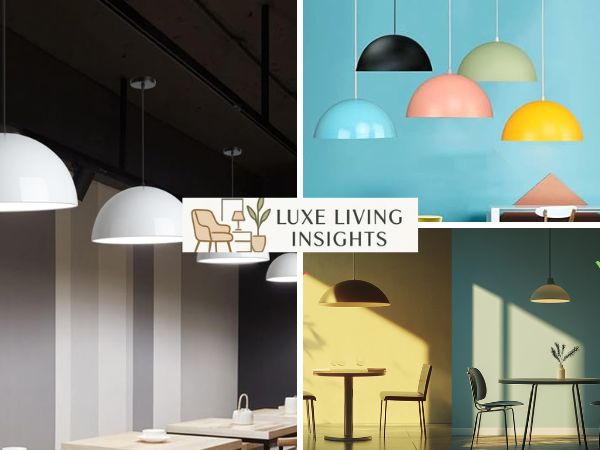
Conversely, a large lamp follows the 75 cm rule. Because large lamps have a wider fixture scale, they need more tabletop clearance to avoid feeling overwhelming. The pendant light shape is diverse, but the standard rule remains the anchor. You must consider the light spread.
A large pendant has a suggested height of 75 cm to ensure the illumination covers the entire dining table. While the dining area has specific requirements, you might wonder about other zones; for instance, the pendant light over kitchen sink height 30-36 rule shares similar principles but varies by task.
- Small lamps offer a 55 cm clearance for intimacy.
- Large lamps require a 75 cm clearance for proportion.
- Standard rules prevent visual clutter.
The user buys a new pendant light and must decide on the vertical light alignment based on these proportions. If the fixture scale is massive, sticking to the rule of thumb is the safest bet for visual comfort.
Remember, lampshade size influences hanging height. A large lamp follows the 75 cm rule, ensuring the dining table receives illumination without the fixture feeling too close to the guests’ heads.
How table shape affects pendant height
Different table shapes can slightly change how your light feels:
- Round tables: a single centered light works best, slightly lower for intimacy
- Rectangular tables: multiple fixtures spaced evenly create balance
- Long tables: consider 2–3 lights to avoid dark spots
The goal is to distribute light evenly without overcrowding the space.
How Lampshade Design Influences Light Placement
The lampshade design can be open or closed. This choice determines light spread. An open lampshade provides atmospheric lighting throughout the room. It illuminates the whole room, making it ideal for a large kitchen. In this scenario, the open shade creates atmosphere.
The lampshade determines light spread. If you choose an open shade, it creates atmosphere and fills a large room with atmospheric light.
A closed lampshade acts differently. It concentrates light on the table. The closed lampshade provides centered/focused lighting. Because the light shines on the kitchen table and less on the rest of the room, you might need to adjust the luminaire positioning.
For closed shades, it is wise to hang your lamp a little higher. This allows the illumination to cover a larger part of the table. Closed shades concentrate light, whereas open shades create a broader glow.
The lampshade restricts the beam spread, so the height adjustment depends on the lamp size and the shade type. Whether the material is metal or glass, the goal is glare reduction. A closed shade focuses light, whereas an open shade fills the environment.
Metal chao shades or a glass diffuser will alter the visual comfort significantly. A closed lampshade focuses light on the table, which is a primary lighting effect for tasks like reading or eating.
Positioning Multiple Pendant Lights for Maximum Coverage
When hanging multiple lamps above a long dining table, interior lighting ergonomics become even more critical. You must ensure the distance between the lamps is at least 80 cm.
This 80 cm spacing prevents overlapping shadows and visual clutter. For those with kitchen counters, determining how many pendant lights over a 5 foot island or even how many pendant lights over a 9-ft island can provide a helpful comparison for your dining table spacing.
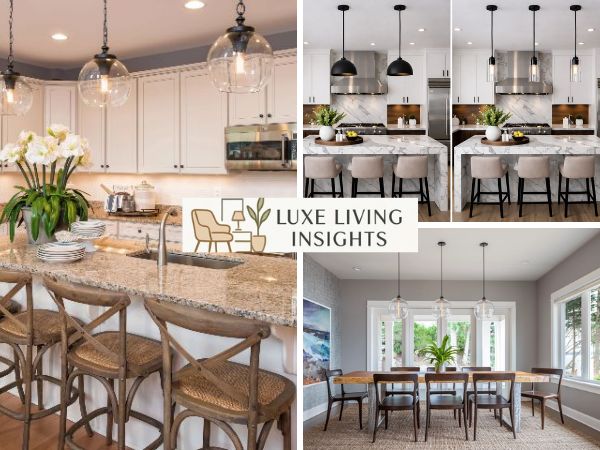
The multiple lamps require proper spacing to look intentional. If you are hanging two pendant lights, the Lightswing® suspension system is a fantastic tool. The Lightswing® facilitates a two-lamp setup and enables dual lamp hanging. It is a suspension system that simplifies installation.
Multiple fixtures require 80 cm spacing to maintain a clean vertical light alignment. This gap separates multiple lamps and ensures multiple lamps enhance decor correctly.
- Measure the table length carefully.
- Mark the center points for each pendant light.
- Ensure the 80 cm gap separates each multiple lamp.
This setup enhances decor and ensures dining room illumination is consistent across the entire furniture surface. The 80 cm gap separates multiple lamps, providing a balanced illumination profile.
When you use a suspension system, it simplifies installation, especially when dealing with multiple electrical points.
Matching Light Height to Your Ceiling and Room Layout
The ceiling supports the pendant fixture, but its height dictates the hanging light distance. While the rule of thumb is based on the tabletop, a vaulted ceiling or high-ceiling might require a longer cord adjustment.
The pendant light hangs above the dining table, but it must also relate to the ceiling height. Ceiling height is a critical attribute of the room environment.
In a large kitchen, you have more room for ambient lighting. The room setting in a dining area usually dictates a more centered light. If the ceiling is very high, you might increase the pendant height over table slightly to 36 inches (90 cm) to keep the fixture from looking like it is floating in a void. Proper proportion tips ensure the fixture scale matches the room volume.
The mounting plate and junction box must be securely attached to the ceiling. The vertical light alignment should complement the interior design of the whole kitchen. Interior design includes lighting tips as a core component. The pendant light illuminates the dining area, and its height is a direct functional constraint for room flow.
Practical Installation and Maintenance Tips
Installing a pendant lamp requires attention to technical details. The mounting plate must be level, and the junction box must handle the wattage. When choosing a light bulb, consider the lumens and color temperature. A warm color temperature creates a better atmosphere for a dining area. Atmospheric light fills the large room effectively.

The fixture type is a pendant, which means it is often the first thing people notice. Ensure you check the vertical light alignment from several angles. Once the pendant light is at the correct height, it improves visibility and glare reduction.
Regularly clean the lampshade—whether it is metal or glass—to keep the illumination bright. Correct height improves visibility and enhances the lighting effect of the space.
Final adjustments are key. Assess the height once the dining chairs are in place to ensure no one’s view is blocked. The bottom of the lamp measures to the tabletop precisely. Whether you are using a Lightswing® or a standard mount, the standard rule ensures visibility. Lighting provides interior inspiration that lasts for years when done correctly.
FAQ
How high should the lamp hang above the table?
The general rule of thumb is that the distance between the tabletop and the bottom of the pendant light should be 75 cm. This height provides optimal dining room illumination while maintaining visual comfort.
What is the difference between an open or closed lampshade?
An open lampshade provides ambient lighting for the entire room, which is perfect for a large kitchen. A closed lampshade focuses the light directly on the tabletop. If using a closed shade, you should hang your lamp a little higher to illuminate more of the table.
How much space should be between multiple pendant lights?
When hanging multiple lamps, you should maintain a minimum spacing of 80 cm between each fixture. This ensures the light spread is even and the overhead fixture placement does not look crowded.
Can I easily hang two pendant lights at once?
Yes, using a suspension system like the Lightswing® allows you to hang two lamps above the table easily. This Lightswing® system offers a flexible function for interior design updates.
Conclusion
Finding the right pendant height over table balances beauty and utility. Whether you use the 75 cm standard or the Lightswing® system, proper illumination transforms your space. Share your lighting projects or ask questions below! Discover more interior design tips at luxelivinginsights.com.
Articles on the same topic:
-

Calculating Lumens for High Vaulted Ceilings
-

PILLAR: Ultimate Guide to Kitchen & Dining Lighting
-

When Were Chandeliers Invented? A Deep History of Luxury Lighting
-

How to Take LED Lights Off the Wall Without Damaging Your Walls
-

What Size Pendant Light for Living Room? Dimensions Height Guide
-

Outdoor Covered Patio Lighting Ideas That Actually Work