How to identify types of wood furniture by examining grain and pores
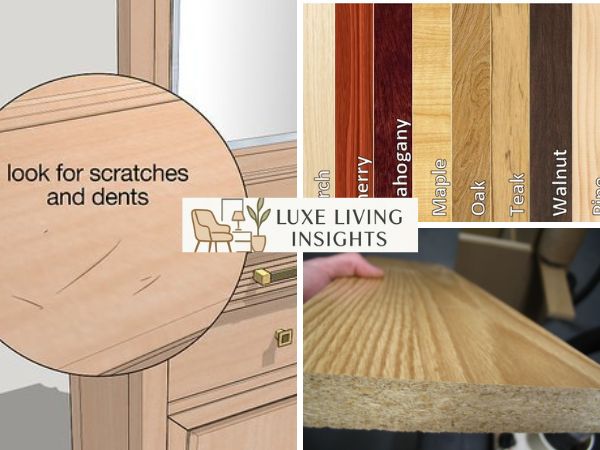
To identify wood furniture, start by looking closely at the grain pattern. Every wood species has a unique grain that acts like a fingerprint.
One of the most effective methods is checking the end grain (the cut edge of the wood). This reveals natural patterns and tiny pores that help distinguish between wood types like oak, maple, or ash.
When you look at the end grain, you are essentially looking at the history of the tree. Growth rings determine the grain pattern, and the arrangement of pores tells you if the wood is ring-porous vs diffuse-porous.
This distinction is a mechanical necessity for accurate classification. Whether you are browsing stunning oak furniture coffee tables or inspecting an antique, the pores never lie.
Identifying Pore Structures
- Ring-Porous Woods: These species have large pores in growth rings. Trees like Oak, Ash, Hickory, and Elm fall into this category. Because oak [is] ring-porous, it has a slightly rough or open texture. These wood-pores [require] filler if you want a perfectly smooth finish. Oak [features] prominent rays and medullary rays that create a striking visual effect.
- Diffuse-Porous Woods: These feature evenly scattered, tiny pores. This group includes Maple, Poplar, Cherry, and Birch. Because maple [has] close-grain, the surface-texture [defines] workability. These woods are often described as smooth (hardwood) and generally do not require grain fillers.
The pore structure is the most accurate wood species identification tool. If you use a magnifying glass or jeweler’s loupe, you can see the vessels and tracheids clearly.
Hardwoods [possess] vessels, whereas softwoods [lack] pores and instead rely on smaller cells. This technical detail separates a master craftsman’s choice from a budget-friendly alternative.
Distinguishing wood species through natural color and aging
Color is a powerful wood identification factor, but it can be deceptive due to stains and varnishes. To find the true color, always check hidden areas like drawer undersides or the back of the cabinet for raw wood. Sanding a small, inconspicuous spot also uncovers the raw wood color. This is a vital step in DS1 procedures for restoration.
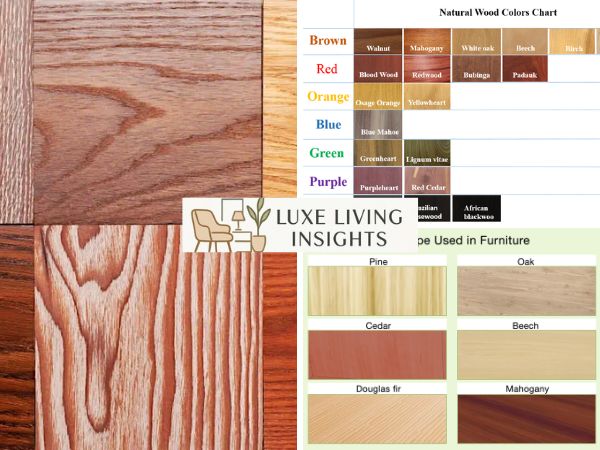
The natural wood color and how it responds to aging are unique wood characteristics. Below is a breakdown of common furniture wood types and their color profiles:
| Wood Species | Primary Color | Aging/Special Traits |
|---|---|---|
| Walnut | Chocolate brown | May have purplish streaks; walnut [exhibits] striking-pattern. |
| Cherry | Light pink to reddish-brown | Cherry-wood [darkens] over-time due to light exposure. |
| Maple | Pale, creamy white | Usually has a reddish cast; maple [has] fine/smooth texture. |
| Poplar | Brownish yellow | Poplar [is] identified by its unique greenish tinge. |
| Ash | Creamy white to light brown | Varies to a dark reddish brown; known for high bending strength. |
| Birch | Light yellowish brown | Very similar to maple in both color and grain. |
When assessing color, remember that heartwood [is] dense and usually darker, while sapwood [is] lighter-colored. Lamination [imitates] solid-wood, but the color will often look too perfect or repetitive. Always look for the mottled, swirled, or wavy patterns that occur naturally in deciduous trees. If you are looking for specific furniture coffee tables for your living room you will notice how these natural hues bring warmth to the space.
Using the physical hardness test to separate hardwoods from softwoods
One of the most practical key identification methods is the fingernail test. This simple action indicates the wood hardness and density.
While the hard/soft classification is technically botanical (hardwoods are flowering trees; softwoods are conifers), physical density is a great indicator of furniture wood types. This methodology is part of the DDD1 ideation for quality assessment.
Hardwood Manufacturers often prioritize hardwoods because they are scarcer and more valuable. If you press a fingernail into an unfinished area and it dents easily, it is likely a softwood like Pine, Fir, or Cedar.
If the wood resists, it is a hardwood like Oak or Maple. Hickory [is] noted for having very high toughness, making it incredibly difficult to dent.
Weight [correlates] with wood density. Heavier woods like Oak, Beech, and Hickory are generally harder and more durable. Softwoods like Pine are lightweight and often feature clearly marked growth rings and knots.
Cedar [is] moderately expensive and valued for being aromatic, whereas Pine [is] inexpensive and used for unfinished furniture. For those seeking durable brands, hammary furniture coffee tables often showcase these robust hardwood characteristics.
Identifying High-Value Woods by Unique Grain Figures and Scents
Beyond basic pores and color, some rare woods have fingerprints that make wood species identification much easier. These traits are often found in premium pieces like stunning furniture village coffee tables for your home.
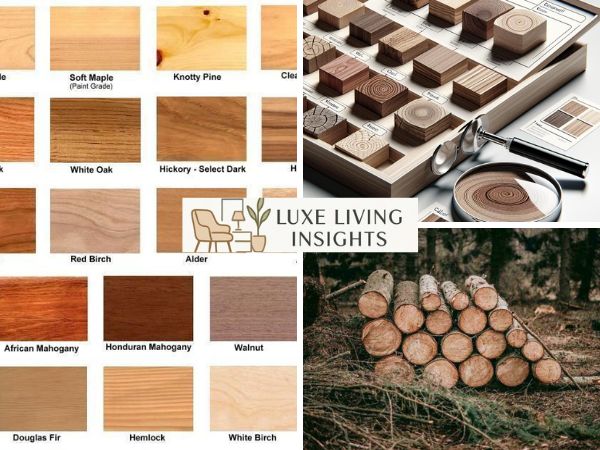
- Rosewood: This hardwood is a traditional favorite. It varies from dark brown to dark purple and contains oil that gives it a distinct feel. Rosewood [features] black streaks that are rich and strongly marked.
- Cedar: This softwood is used for chests and closets. Cedar [emits] scent that is sweet and aromatic, which effectively repels insects.
- Mahogany: A treasured furniture wood, mahogany [is] used for fine cabinetry. It has a reddish-brown color and a fine texture. You will often see a ribbonlike grain pattern or mottled effects.
- Teak: This choice furniture hardwood is very expensive. Teak-wood [resists] moisture due to its high oil and silica content. It varies from rich golden-yellow to dark brown.
- Satinwood: Used for decorative inlays, satinwood [features] ray-fleck and a ribbon-striped pattern that is very attractive.
Evaluating Construction: Solid Wood vs. Veneered Surfaces
Before you determine the real value of a piece, you must check for multiple-wood construction. Many modern furniture pieces use two or more kinds of wood to keep the price down. This is a core observation in OL1 regarding structural integrity.
Veneer [is] a thin-layer of fine wood glued over a cheaper core material like poplar, gum, or particle board. To check for veneer, look at the edges of the furniture.
If the grain pattern does not wrap around the corners, it is likely a veneer. Stains [obscure] natural grain, so you must look at the drawer undersides to see the core material.
Rare woods are often veneered to save money. For example, a table might have a walnut top but gum legs stained to match. This is a common practice in moderately priced furniture. Veneer – Covers – Core material is a standard ERE relationship in the furniture industry. Always verify if the surface-texture [defines] workability or if it is just a superficial layer.
Matching Wood Types to Furniture Age and Style
The furniture-style [reflects] historical-wood-use. If you have pre-1900 furniture, there is a high probability it is made of solid, high-quality woods. Before 1900, walnut, oak, mahogany, and rosewood were readily available and favored for their beauty and durability. These pieces follow the semantic triple: Heartwood [is] dense.

American Colonial furniture often used local availability to determine materials. You will find maple, oak, walnut, birch, cherry, and pine in these antique pieces.
Ash [is] used for bentwood furniture because of its excellent bending abilities. As the preferred woods became scarcer, manufacturers turned to abundant woods like gum, poplar, and pine.
Important FAQs about How to Identify Wood Furniture Types
Why is end grain examination considered the most accurate method for identification?
The end grain examination is the most accurate method because it exposes the internal cell structure and vessels of the timber. While surface grains can be altered by tangential cuts or radial cuts, the end grain clearly shows whether a wood is ring-porous or diffuse-porous.
This botanical fingerprint remains constant regardless of how the wood is stained or finished. Using a magnifying glass on a sanded end grain section allows you to see the arrangement of pores which definitively identifies the species.
How does the fingernail test help distinguish between hardwoods and softwoods?
The fingernail test is a primary indicator of a wood’s Janka hardness scale rating and density. Physically, hardwoods come from deciduous trees and generally have a more complex cell structure with vessels, making them more resistant to mechanical pressure.
Softwoods, which come from conifers, typically lack these vessels and have a lower specific gravity. If a fingernail easily leaves an indentation, the fibers are less dense, identifying the material as a softwood like Pine or Fir.
What are the distinguishing characteristics of Poplar compared to other hardwoods?
Poplar is a moderately soft hardwood that is frequently used in inexpensive furniture or as a core material for veneers. Its most salient identifying feature is a distinctive green tinge found in the wood’s natural color.
Unlike Oak or Ash, Poplar [has] close-grain and a very subdued pattern. It is lightweight, easy to work with hand tools, and is often stained to mimic more expensive species like Walnut or Cherry.
How can a buyer distinguish between solid wood and high-quality veneer?
To identify a veneer, one must inspect the grain transition over the edges of a furniture piece. In solid wood construction, the grain pattern will naturally continue or “wrap” from the top surface down across the side edge.
In veneered surfaces, the grain will often end abruptly at the edge, or there will be a visible horizontal seam where the thin-layer of decorative wood meets the core material. Additionally, checking the drawer undersides or unfinished back panels will often reveal a different, less expensive wood species than what is visible on the primary surfaces.
Conclusion
Mastering how to identify types of wood furniture enhances your appreciation for craftsmanship and ensures you invest in quality. Whether you are analyzing pores, color, or hardness, these clues reveal a piece’s true history. For more expert interior insights, visit luxelivinginsights . Please share your thoughts or questions in the comments below!
Articles on the same topic:
-

How to Clean a Polyester Fiber Couch?
-

How to measure room for furniture with a step by step professional guide
-
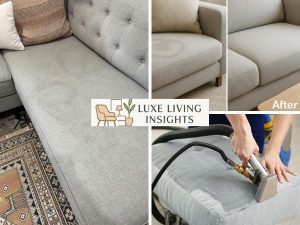
The Ultimate Guide to Removing Water Stains from a Fabric Couch
-
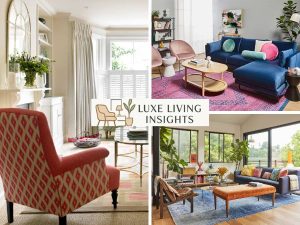
How Many Chairs in a Living Room? Expert Layout Seating Guide
-
Will It Fit? How to Measure Your Furniture for Tight Stairs and Corners
-
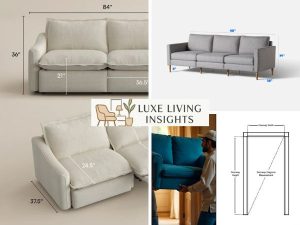
How Long Is a Loveseat in Inches?