

Step-by-Step Guide to Repairing Sinuous (No-Sag) Springs
When you decide to fix sagging sofa problems, the first step is often looking beneath the surface. Most modern furniture, including many stunning modern luxury sofa designs, utilizes a sinuous spring system. These S curves, often called no-sag springs, are made of 8 to 11 gauge steel. Over time, springs lose elasticity, leading to a bottoming out sensation.
To begin, the user removes dust cover materials from the bottom of the sofa. This cambric fabric is usually held by staples. Use a manual or electric staple gun to reattach it later. Once exposed, inspect the S curves.
These zig-zag springs must be aligned perfectly. If the metal is simply stretched, pliers adjust spring tension by tightening the S curves. This S-shape is a common/easier to fix component compared to complex coils.
However, the most common failure point is the EK clip. These EK clips anchor springs to the hardwood sofa frame. A broken clip causes spring sag because the structural tension is lost. To fix this, remove the old hardware and hammer in new spring clips every 4 to 6 inches apart.
A sinuous spring attaches to sofa frame points securely using these anchors. Ensure you measure determines spring length accurately before buying replacements. This intermediate repair has a low to medium cost but significantly extends sofa life. For localized issues, replace only the failed leg or center support before the frame begins to twist.
How to Restore and Re-tie Coil Spring Systems
Traditional, high-end furniture often uses coil springs. The gold standard is the eight-way hand-tied construction, frequently found in stunning luxury classic sofa sets. In this system, coil springs offer firm support and durability. If you feel a spring gap or a bar through the fabric, the internal twine has likely snapped.
First, inspect the jute webbing foundation. Webbing creates base foundation support for the coils. If the webbing is torn, use a webbing stretcher to pull new jute or nylon strips tight. Staples fasten fabric and webbing to the kiln-dried hardwood frame. Webbing supports coil springs by distributing the compression load across the bottom of the seat.
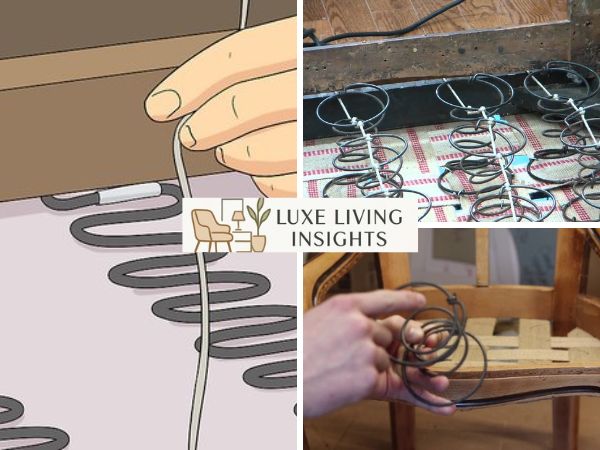
Next, address the twine. Twine binds coils together to ensure they compress vertically without leaning. In an eight-way hand-tied setup, twine stabilizes coil units by connecting them in eight directions. If you find broken twine, it must be replaced.
This process involves re-tying stabilizes coil units using heavy-duty upholstery cord. Coil springs offer firm support only when the tension prevents sagging across the entire seat deck. If using Marshall coils, ensure they are repositioned correctly on the base webbing before closing the dust cover.
Sinuous vs. Coil Springs: Which fix sagging sofa?
Choosing how to fix sagging sofa issues depends on the existing seat suspension system. Both systems have unique compression and resilience profiles. While sinuous springs form seat suspension in most mass-market furniture, coil springs are found in premium pieces.
Sinuous springs are easier to replace because they are independent. If one fails, you don’t always have to rebuild the whole row. However, replacing only one spring in a worn row can lead to uneven alignment.
Sinuous springs offer a low-profile look, but coil springs provide durable, firm support. When deciding whether to DIY or hire a pro, consider the structural integrity. A simple no-tools fix might involve rotating cushions, but a full replacement of the suspension requires pliers, a staple gun, and a flashlight.
If you are investigating stunning luxury design sofas, check if the manufacturer uses helical wires to connect their sinuous springs, as this adds durability.
Reinforcing the Seat Deck and Frame for Long-Term Support
Sometimes the sagging isn’t the springs; it is the structural integrity of the furniture frame. A kiln-dried hardwood frame is sturdy, but furniture joints like the mortise and tenon can loosen.
Wood glue bonds frame joints back together. Always use a high-quality PVA Wood Glue and clamps for a permanent bond. Check the frame carefully, especially in stunning wooden luxury sofa sets, to ensure no visible frame cracks exist.

If the seat deck is permanently sagging, a plywood sheet can provide a quick fix. A 0.5 inch plywood board placed under the cushions fixes soft spots and provides a flat support layer. Plywood reinforces sagging base areas where the webbing or springs have reached their compression fatigue limit.
Additionally, check the corner blocks. These corner blocks strengthen frame joint areas. If a screw-in sofa leg is wobbly, screws tighten loose legs and prevent the frame from warping. A missing glide on a leg can also cause an uneven seat feel. Proper alignment of the center support is critical to prevent the frame from bowing.
Reviving Sagging Cushions to Complement Your Spring Repair
Even with a perfect seat deck, a sofa feels old if the cushions are flat. Foam provides comfort, but polyurethane foam suffers from compression over time. High-resiliency foam is the best choice for a full replacement. If the cushion sits on seat deck and still feels low, the foam has lost its resilience.
To restore existing inserts, use a garment steam to help foam cells expand. For a plush feel, add polyester batting or polyfill. Batting softens edges and fills out the corners of the fabric cover. Batting also acts as a comfort layer between the foam and the upholstery.
If you have pressure points, a layered build with high-density foam and a batting wrap is the most durable solution. This prevents the bottoming out sensation where you feel the hard base or a metal bar through the fabric.
Common Repair Mistakes That Lead to Rapid Re-Sagging
The most dangerous error is the one-spring trap. Replacing only one spring in a worn row creates tension imbalances. The new spring will be stiffer than the old ones, leading to a lumpy alignment and eventual failure of the surrounding parts. New spring tension can fight old springs, accelerating wear on the EK clips.
Another mistake is over-stiffening the base. If you use a board that is too thick, it turns the seat into a hard slab, causing a sore tailbone or numbness. You must balance structural support with comfort.

Finally, never ignore the dust cover. It isn’t just for looks; it prevents dust from entering the internal components and protects the springs from moisture. Skipping safety steps, like working without gloves, can also lead to injury when dealing with high-tension metal.
Maintenance Tips to Prevent Future Sagging
To ensure your repair lasts, adopt a proactive maintenance routine. Maintenance extends sofa life and prevents fatigue in the steel and foam. Follow these steps to keep your furniture in top shape:
- Strategic Rotation: Rotate and flip reversible cushions monthly to distribute weight evenly.
- Tension Checks: Occasionally feel the seat deck for soft zones or spring gaps.
- Hardware Tightening: Ensure screws for sofa legs and T-nuts remain tight to prevent the frame from twisting.
- Friction Control: Use a grippy liner to stop cushions from sliding into a dip.
What are the signs that my sofa springs are broken rather than just the cushions being worn out?
If your couch sags even after you have removed the cushions, the problem is likely within the seat suspension system. You should perform a physical inspection of the seat deck. Press your hands across the surface to check for soft zones, a spring gap, or the sensation of a metal bar poking through.
Visible red flags include detached EK clips, snapped S curves, or torn jute webbing. Additionally, if you hear a sharp creak or pop when you sit down, it typically indicates a broken spring or a loose furniture joint in the hardwood frame.
Can I use a plywood board as a permanent fix sagging sofa?
While placing a 0.5 inch plywood sheet under the cushions is an effective quick fix to eliminate soft spots, it is generally considered a bridge solution rather than a permanent restoration. A rigid board can turn the seat into a hard slab, potentially leading to pressure points or a sore tailbone during long periods of sitting.
Furthermore, a board does not address the underlying fatigue of the sinuous springs or coil springs. For a long-lasting repair, it is better to replace the failed spring clips or webbing to restore the intended resilience and tension of the suspension system.
Is it worth repairing a sagging sofa myself or should I hire a professional?
The decision depends on the type of suspension and your comfort level with intermediate tools. Repairing sinuous springs by replacing EK clips or tightening S curves is a manageable DIY project with a low to medium cost. However, repairing eight-way hand-tied coil springs is significantly more complex.
It requires specialized skills in re-tying twine and stretching jute webbing. If the hardwood sofa frame has major cracks or the mortise and tenon joints have failed, a professional upholsterer may be necessary to ensure the structural integrity is restored safely.
Conclusion
Restore your home’s comfort by fixing your sofa springs today. We hope this guide helps you decide on the best repair path. Please share your thoughts in the comments or find more expert advice at luxelivinginsights.com.
Articles on the same topic:
-

How to identify types of wood furniture
-
How to clean wicker patio furniture
-

How to Clean a Polyester Fiber Couch?
-

How to measure room for furniture with a step by step professional guide
-
The Ultimate Guide to Removing Water Stains from a Fabric Couch
-

How Many Chairs in a Living Room? Expert Layout Seating Guide