Shopping for a dining table sounds simple until you realize the “right size” isn’t just about how many chairs you can squeeze in.
How These Dining Table Sizes Were Chosen: The size ranges in this guide reflect common real-world dining tables sold for U.S. homes and the spacing that typically feels comfortable for place settings and shared dishes. Your best fit can shift slightly based on chair width (especially armchairs), table leg style (pedestal vs. four legs), and how often you host.

Quick Answer: Standard Dining Table Sizes (CM + Inches)
Use this chart when you want a fast baseline. Then scroll to the matching section for shape notes, clearance, and “most comfortable” upgrades.
| Seats | Rectangular (L × W) | Round (Diameter) | Square / Oval | Recommended Clearance |
|---|---|---|---|---|
| 6-seater | 150–180 × 90–100 cm (59.1–70.9 × 35.4–39.4 in) Most common: 160×90 or 180×90 cm | 137–152 cm (53.9–59.8 in) Roomier: up to ~180 cm (70.9 in) | Square: 130–150 cm (51.2–59.1 in) | 70–90 cm (27.6–35.4 in) |
| 8-seater | 180–240 × 100–110 cm (70.9–94.5 × 39.4–43.3 in) Standard: 200×100 cm | 150–180 cm (59.1–70.9 in) | Oval: ~120×220 cm (~47.2×86.6 in) | 90–100 cm (35.4–39.4 in) |
| 10-seater | 240–300 × 100–120 cm (94.5–118.1 × 39.4–47.2 in) Common comfortable: ~240×100 cm | ~210–240 cm (~82.7–94.5 in) | Oval: ~250–300 × 110–140 cm (~98.4–118.1 × 43.3–55.1 in) | 90–100 cm (35.4–39.4 in) |
| 12-seater | 240–360 × 100–130 cm (94.5–141.7 × 39.4–51.2 in) Common: 300–330 × 100–120 cm Spacious: 360 × 120–130 cm | ~240 cm (~94.5 in) Often seats 10–12 depending on chair size | Oval: 300×140 cm (118.1×55.1 in) | 90–100 cm (35.4–39.4 in) |
How to Measure Your Dining Area (So the Table Actually Fits)
Step 1: Measure the “usable” dining zone
Measure the area where the table will actually live between walls, cabinets, islands, or large furniture. If you’re in an open-plan room, define an imaginary “dining rectangle” that keeps walkways clear.
Step 2: Apply the clearance rule around the table
Clearance is the space between the table edge and the nearest wall/furniture. It’s what lets people sit down, stand up, and move behind chairs comfortably.
- 6-seater clearance: aim for 70–90 cm (27.6–35.4 in) around the table.
- 8-, 10-, 12-seater clearance: aim for 90–100 cm (35.4–39.4 in) around the table.
If a main pathway runs behind dining chairs (for example, between the kitchen and patio door), lean toward the high end of clearance.
Step 3: Don’t forget chair “pull-out” space
Chunky upholstered chairs and armchairs typically need more room than slim side chairs. If you love larger dining chairs, choose a longer table size within the range or bump up clearance where you can.
Comfort Rules (Not Just “Will It Fit”)
Rule #1: Table width matters for place settings and shared dishes
Width affects whether you can comfortably set plates, glassware, and serving dishes without crowding elbows. As a practical baseline:

- 6-seater: choose a width of at least 90 cm (35.4 in).
- 8-seater: most comfortable at 100–110 cm (39.4–43.3 in).
- 12-seater: aim for 100+ cm (39.4+ in), especially if using head seats.
Rule #2: Allow enough room per person
For larger tables, comfort comes down to elbow room. For a 10-seater, a good guideline is 60-70 cm (23.6–27.6 in) of table edge per person. If your chairs are wide or you host long dinners choose the longer end of the table range.
Rule #3: Shape changes how the table “feels” in the room
- Rectangular: best for long rooms and maximizing seats. Most common choice for 8+.
- Round: easy conversation flow, but needs enough diameter to avoid cramped place settings.
- Oval: softens corners like round tables, while fitting long dining rooms better than a large circle.
- Square: works in square rooms, but can be harder for serving dishes at larger sizes.
Common Dining Table Sizing Mistakes (and How to Avoid Them)
- Buying for the maximum guest count and living cramped daily. Choose a comfortable everyday size, then use an extension leaf for holidays.
- Ignoring chair width. Armchairs and upholstered chairs need more elbow room—size up in length or reduce seat count.
- Not leaving enough clearance. If chairs hit walls or cabinets, the table will feel “too big” even if the numbers seem close.
- Choosing a table that’s too narrow for place settings. For shared dishes, a width of 90 cm+ (35.4 in+) is a strong baseline.
- Forgetting leg placement. Corner legs can steal seat space on rectangular tables; pedestal bases often seat more comfortably.
Dining Table Sizes by Seating Capacity (CM + Inches)
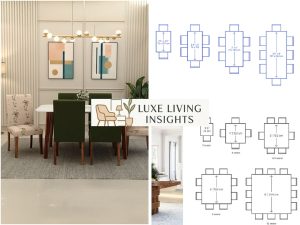
6-Seater Dining Table Size in CM
A standard 6-seater is the sweet spot for everyday dining large enough for family meals and hosting friends, but still realistic for many U.S. dining rooms and eat-in kitchens.
Rectangular 6-seater (most common)
- Standard range: 150–180 × 90–100 cm (59.1–70.9 × 35.4–39.4 in)
- Most common picks: 160×90 cm (63.0×35.4 in) or 180×90 cm (70.9×35.4 in)
- Comfort note: If you use larger chairs, the 180 cm length usually feels better for 6.
Round 6-seater
- Standard diameter: 137–152 cm (53.9–59.8 in)
- More spacious option: up to ~180 cm (70.9 in) if your room allows
Square 6-seater
- Typical size: 130–150 cm (51.2–59.1 in) per side
Extendable 6-seater
- Common starting sizes: ~140×90 cm (55.1×35.4 in) or 160×90 cm (63.0×35.4 in)
- Great for “daily 4, host 6” households especially in apartments or smaller dining zones.
Clearance around a 6-seater
Aim for 70–90 cm (27.6–35.4 in) around the table for comfortable chair pull-out and movement.
8-Seater Dining Table Size in CM
An 8-seater is ideal for frequent hosting or larger families just make sure the room can handle the extra chair space. At this size, clearance becomes non-negotiable.
Rectangular 8-seater
- Standard range: 180–240 × 100–110 cm (70.9–94.5 × 39.4–43.3 in)
- Standard “go-to” size: 200×100 cm (78.7×39.4 in)
- Large option: 240×110 cm (94.5×43.3 in) for bigger chairs and generous serving space
Round 8-seater
- Recommended diameter: 150–180 cm (59.1–70.9 in)
- Choose closer to 180 cm if you want comfortable place settings and easy shared dishes.
Oval 8-seater
- Typical size: ~120×220 cm (~47.2×86.6 in)
- Oval tables often “read” lighter visually than large rectangles while still seating eight well.
Clearance around an 8-seater
Plan for 90–100 cm (35.4–39.4 in) around the table so chairs can slide out easily.
10-Seater Dining Table Size in CM
Ten seats is where a dining table starts to behave more like a “gathering table.” To keep it comfortable, prioritize elbow room and serving width especially if you entertain often.
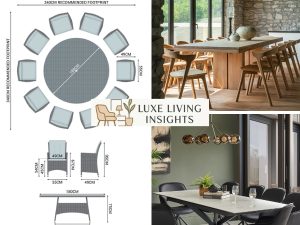
Rectangular 10-seater
- Standard range: 240–300 × 100–120 cm (94.5–118.1 × 39.4–47.2 in)
- Common comfortable size: ~240×100 cm (94.5×39.4 in)
- Move toward 260–300 cm length (102.4–118.1 in) if using large chairs or serving family-style.
Round 10-seater
- Typical diameter: ~210-240 cm (~82.7–94.5 in)
- Round tables at this scale need ample room double-check clearance before committing.
Oval 10-seater
- Typical range: ~250-300 × 110–140 cm (~98.4–118.1 × 43.3–55.1 in)
Comfort note: space per person
For 10 people, plan on 60-70 cm (23.6–27.6 in) of table edge per seat. If your chairs are wide, choose the longer end of the table-length range.
Clearance around a 10-seater
Aim for 90-100 cm (35.4–39.4 in) around the table for chair pull-out and comfortable circulation.
12-Seater Dining Table Size in CM
A 12-seater is built for large gatherings. In most homes, rectangular or oval shapes work best because they fit long dining rooms and allow smooth circulation at the ends.
Rectangular 12-seater (standard vs. spacious)
- Overall range: 240-360 × 100–130 cm (94.5–141.7 × 39.4–51.2 in)
- Standard, most common: 300–330 × 100–120 cm (118.1–129.9 × 39.4–47.2 in)
- Spacious upgrade: 360 × 120–130 cm (141.7 × 47.2–51.2 in)
Oval 12-seater
- Typical size: 300×140 cm (118.1×55.1 in)
Round 12-seater
- Typical diameter: ~240 cm (~94.5 in)
- Note: Many round tables in this range seat 10-12 depending on chair width and place settings.
Clearance and width notes for 12 seats
- Clearance: keep 90–100 cm (35.4–39.4 in) around the table.
- Width: choose 100+ cm (39.4+ in), especially if people sit at the head seats.
CM to Inches Conversion (So U.S. Readers Don’t Bounce)
Quick math: inches = cm ÷ 2.54. Use this cheat sheet for the most common dining dimensions.
| Common Lengths | Inches (approx.) | Common Widths | Inches (approx.) | Common Diameters | Inches (approx.) |
|---|---|---|---|---|---|
| 150 cm | 59.1 in | 90 cm | 35.4 in | 137 cm | 53.9 in |
| 160 cm | 63.0 in | 100 cm | 39.4 in | 152 cm | 59.8 in |
| 180 cm | 70.9 in | 110 cm | 43.3 in | 180 cm | 70.9 in |
| 200 cm | 78.7 in | 120 cm | 47.2 in | 210 cm | 82.7 in |
| 220 cm | 86.6 in | 130 cm | 51.2 in | 240 cm | 94.5 in |
| 240 cm | 94.5 in | 140 cm | 55.1 in | ||
| 300 cm | 118.1 in | ||||
| 330 cm | 129.9 in | ||||
| 360 cm | 141.7 in |
Common Layout Scenarios (Pick Faster)
Small dining room or apartment
- Look for a compact 6-seater (150–160 cm length) or an extendable starting around 140×90 or 160×90 cm.
- Choose oval or round if sharp corners feel cramped in tight walkways.
- Keep clearance in the 70-90 cm range whenever possible especially behind high-use chairs.
Open-plan kitchen + dining
- Rectangular or oval tables for 8-10 seats usually work best with traffic flow.
- Prioritize 90-100 cm clearance since people pass through the dining zone more often.
- Consider a slightly wider table (100–110 cm) if you regularly serve family-style.
Hosting often (holidays, big gatherings)
- Choose the comfortable end of the size range (longer length, adequate width).
- For 10–12 seats, confirm you can maintain 90–100 cm clearance so guests aren’t “stuck” behind chairs.
- If your room is borderline, an extendable table can be the best compromise between daily comfort and entertaining.
FAQs
What size is a 6-seater dining table in cm?
- A standard rectangular 6-seater is typically 150–180 × 90–100 cm. Round 6-seaters are usually 137–152 cm in diameter, and square 6-seaters are often 130–150 cm per side.
What is the best round table size for 6?
- Most homes do well with 137–152 cm diameter. If you want more breathing room for place settings and serving dishes, consider going bigger (up to around 180 cm) if your room can support it.
What size table seats 8 comfortably?
- A common comfortable rectangular size is around 200×100 cm. If you want extra room (or use larger chairs), consider going up to 240×110 cm. Round 8-seaters generally work best at 180 cm diameter when space allows.
How long should a table be for 10 people?
- Most 10-seater rectangular tables fall between 240–300 cm long. If you want a comfortable fit, especially with wide chairs, lean longer and aim for 60–70 cm of edge space per person.
What size dining room do I need for a 12-seater table?
- Start with your table size (commonly 300–330 × 100–120 cm) and add 90–100 cm clearance on each side. In practice, that means you need a fairly generous dining zone to keep chairs and pathways comfortable.
How much space (clearance) do you need around a dining table?
- For 6 seats, plan 70–90 cm. For 8–12 seats, plan 90–100 cm. More clearance is better behind high-traffic chairs or near doors and main walkways.
Quick Checklist Before You Buy
- Daily seat count vs. hosting: buy for everyday comfort, then optimize for guests.
- Chair size: armchairs and upholstered seating may need a longer table or more clearance.
- Shape: rectangular for long rooms, round for conversation, oval for softer corners with good capacity.
- Clearance: don’t skip it especially at 8 seats and up.
- Width: aim for 90+ cm for comfortable settings; 100+ cm is often ideal for bigger tables.
If you follow the size ranges above and honor clearance, you’ll end up with a dining setup that feels easy not tight every time you use it.
Articles on the same topic:
-
How Much a Dining Room Set Costs in 2026
-

Choose the perfect dining table size and shape using simple measurements
-

Best Folding Dining Table and Chairs for Small Spaces: Picks, Sizes, and What to Buy
-

Feng Shui Desk Placement for a Productive Home Office (2026)
-

10 Best Outdoor Dining Tables Near Me for Your Patio
-

Top 10 Dining Tables in Dubai for All Styles