
Is West Elm Furniture Quality Built to Last? A 3-Year Reality Check
Walking into a West Elm showroom feels like stepping into a curated gallery of modern organic style and Japandi aesthetics. However, the true test of west elm furniture quality happens long after the delivery truck leaves. West Elm occupies a specific mid-tier modern market positioning.
West Elm is owned by Williams-Sonoma and primarily targets urban living spaces where style often takes precedence over heavy-duty utility. Over a three-year period, we have observed how these pieces transition from showroom-ready to lived-in reality.
Our analysis shows that West Elm utilizes kiln-dried hardwood in many of its primary frames, which is a significant factor in preventing warping. Yet, engineered wood comprises internal frames in several entry-level or more budget-conscious collections.
This engineered wood reduces production cost, but it also creates a lighter feel that may lack the heirloom quality vs fast furniture stability some buyers expect. In a high-traffic home furniture environment, these pieces hold up well under moderate use, but they aren’t indestructible.
If you are trying to determine if your specific piece is built for the long haul, it helps to know how to identify types of wood furniture to see exactly what is under that stylish finish.
The structural integrity of these pieces often hinges on the choice between solid wood vs veneer. While solid pieces are durable, veneer can be susceptible to damage like chipping or peeling if moisture gets under the surface.
Many West Elm items combine solid wood (such as kiln-dried hardwood) with veneer, engineered wood (particleboard), and metal to strike a balance between price and weight.
This hybrid approach works well for urban dwellers who move frequently, but it may not withstand a decade of heavy family use as well as purely solid-wood alternatives.
Performance of Upholstery and Cushions After 2,000+ Hours of Use
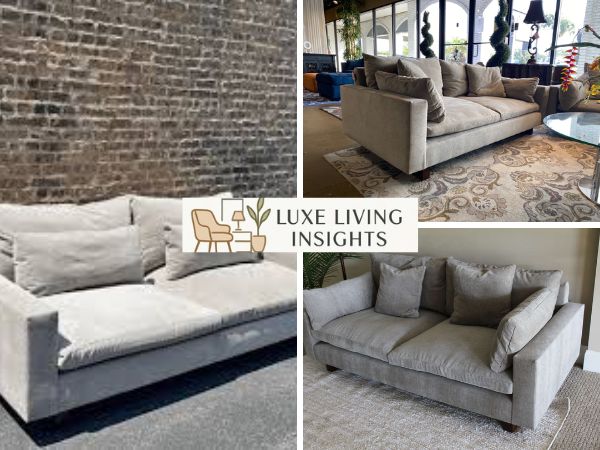
The Harmony and Haven collections are arguably the most popular seating options the brand offers. These sofas are known for a soft/plush comfort level that invites lounging.

However, after three years—or roughly 2,000+ hours of use—cushions exhibit sagging over time if they are not maintained with military precision. The polyurethane foam inside standard cushions begins to lose its loft, leading to a flatter, less supportive seat. This is why understanding cushion density is vital before you swipe your card.
This is where choosing a performance fabric becomes a mechanical necessity. Performance fabric prevents permanent stains and offers a high double rub count, ensuring the surface looks new even if the interior foam softens. Performance fabrics resist fabric pilling, which is a common complaint with standard linen or tweed weaves.
Despite the softening of the seats, the sinuous springs usually maintain their tension, preventing a total structural failure. When styling these deep-seated sofas, many owners find they pair beautifully with high-quality accents like stunning oak furniture coffee tables or hammary furniture coffee tables to ground the room’s aesthetic.
West Elm vs. Pottery Barn: Construction Differences That Impact Longevity
A common question for any home decorator is how West Elm compares to its sibling brand. West Elm competes with Pottery Barn, but they use vastly different construction philosophies. Pottery Barn prioritizes traditional durability by using solid wood frames that are significantly thicker and heavier.
West Elm leans modern, design driven, and customizable, whereas Pottery Barn focuses on traditional proportions and longer term durability.
From a technical standpoint, solid wood lasts longer than veneer, and this is evident in the physical weight of the furniture. Pottery Barn uses solid wood frames for almost all their core upholstery, while West Elm utilizes a more varied mix of materials to keep their designs lightweight/streamlined.
West Elm furniture quality is tailored for those who prioritize the modern organic look and move-ability. However, the resale market favors Pottery Barn because their heavier construction tends to maintain its shape and value longer.
For those who want that same level of sturdiness in their dining area, looking into stunning brownstone furniture dining tables can provide a similarly robust alternative to the more delicate modern silhouettes.
The Contract Grade Advantage: Is the Upgrade Necessary for Durability?
If you are worried about the three-year mark, you should look for the Contract Grade label. Contract Grade signifies higher durability because these items are tested to meet commercial standards. High traffic requires contract grade items to ensure they don’t fail under the stress of constant use.

Contract grade furniture standards involve rigorous BIFMA testing, which means the piece is designed to withstand the weight and friction found in a hotel lobby or commercial office. These items are generally more durable and designed for commercial use.
For residential users, this upgrade is the smartest way to ensure west elm furniture quality meets expectations. Contract Grade items are designed for commercial/heavy duty use, providing a level of structural stability that exceeds standard residential pieces.
For instance, there are many reasons to adore the west elm rowan dining chair, specifically because its Contract Grade certification makes it one of the most reliable pieces in the entire catalog. While these items might carry a higher price tag, the return on investment comes in the form of fewer repairs and a longer total lifespan.
Manufacturing Realities: How Production Origins Affect Quality Control
West Elm has a massive global production footprint. Manufacturing involves domestic assembly for many upholstered items, while a large portion of the wood furniture is produced internationally.
Global production affects lead times, which often results in the shipping delays frequently mentioned in Reddit furniture reviews. Some users have reported that cushions can start to sag or pill over time, and the customer service response to these issues can be inconsistent, especially when dealing with international supply chain hurdles.
Quality control influences long-term wear significantly. Kiln-dried hardwood improves frame stability, but if the assembly quality at the factory level is rushed to meet high demand, you may experience loose joints or misaligned hardware.
White glove delivery ensures safe handling, which is crucial because veneer surfaces are susceptible to chipping during transit. West Elm relies more heavily on imported production, which helps keep prices competitive but introduces more variation between collections than brands with strictly domestic manufacturing.
Maximizing the Lifespan of Your West Elm Investment
To keep your West Elm investment looking pristine past the three-year milestone, upholstery maintenance must be a priority. Always check the labels for the correct cleaning codes—usually S for solvent-based cleaners or W for water-based solutions.
Veneer requires careful maintenance because veneer has a vulnerability to surface damage/chipping if not treated with care. Use coasters religiously and avoid harsh chemical cleaners that can degrade the topcoat.
Every piece of furniture undergoes wear and tear, but you can slow the process down. Solid frames support long-term use, but because West Elm furniture is often lightweight/streamlined, you should tighten the legs and hardware every few months.
This prevents the “wobble” that can lead to permanent frame damage. Opt for performance fabrics to ensure longevity and always visit a store in person, if possible, to test the comfort and examine the joinery before finalizing your purchase.
Final Verdict: Who Should (and Shouldn’t) Buy West Elm for the Long Term?
West Elm is the ideal choice for those who value artisanal craftsmanship, sustainable furniture materials, and FSC-certified wood. If you live in an urban environment and love the Wabi-Sabi aesthetic, west elm furniture quality will likely meet your needs for at least five to seven years. The brand is a leader in style, customization, and modern appeal.
However, if your household includes heavy high-traffic family use, you may find that the mid-tier modern construction reaches its limit sooner than expected. In these cases, moving toward the heavier materials of the Contract Grade lines or exploring Pottery Barn is a more pragmatic move.
Design aesthetics drive consumer interest, but the internal build—the frames, the foam, and the joinery—will determine if you are still happy with your purchase three years from today. Choose West Elm if modern design, fabric selection, and visual lightness matter most.
Common Questions Regarding West Elm Furniture Quality
How does West Elm furniture quality compare to other mid-century brands?
West Elm generally offers a higher standard than budget fast-furniture retailers by utilizing kiln-dried hardwood and FSC-certified wood. While it sits firmly in the mid-tier modern category, its options for performance fabrics and Contract Grade certifications give it a significant edge in durability over entry-level competitors.
West Elm utilizes kiln-dried hardwood specifically to prevent the warping and cracking common in cheaper alternatives.
What should I do if my West Elm sofa cushions begin to sag?
Since cushions exhibit sagging over time due to the soft/plush nature of the polyurethane foam, regular maintenance is required. You should rotate and flip your cushions every week to distribute wear evenly.
If the sagging becomes a structural issue, many owners find success by replacing the internal foam inserts with high-density alternatives, effectively refreshing the structural integrity of the sofa without needing a full replacement.
Are West Elm performance fabrics worth the additional cost?
Absolutely. Performance fabric prevents permanent stains and is a must-have for high-traffic home furniture. These fabrics are designed for commercial/heavy duty use and resist fabric pilling, making them a vital mechanical necessity for homes with children or pets. The longevity and ease of cleaning far outweigh the initial price increase over standard upholstery.
Does West Elm offer a standard warranty on their furniture?
West Elm does not typically provide a comprehensive standard warranty. Custom orders restrict return options and are often considered final sale. Because quality control influences long-term wear, it is essential to perform a thorough inspection during your white glove delivery.
If you find any defects in the kiln-dried hardwood or assembly quality, report them immediately to ensure the best possible resolution.