

Step-by-Step Guide to Cleaning Wicker Patio Furniture
The journey toward a pristine garden begins with a systematic cleaning solution. To start, the user cleans wicker by addressing surface-level debris. Before any water touches the material, use a vacuum cleaner with a brush attachment.
This specific cleaning tool allows the vacuum to extract dust from deep within the weaving. This initial dusting is a vital part of wicker maintenance, as it prevents grime from turning into mud once moisture is introduced.
Once the loose dirt is gone, prepare your cleaning solution. For both natural rattan and synthetic resin, a mild soap is the best ingredient. Ensure the mild soap mixes with warm water in a bucket. This ratio creates a gentle yet effective surfactant where the soap dissolves dirt without stripping the finish.
While you care for your outdoor sets, you might find that indoor spaces benefit from similar attention to detail, such as maintaining stunning oak furniture coffee tables to keep your living room as polished as your patio.
| Step | Action | Tool Needed |
|---|---|---|
| 1 | Remove Loose Dirt | Vacuum with brush attachment |
| 2 | Mix Solution | Mild soap and warm water |
| 3 | Scrub Weave | Soft bristle brush or soft cloth |
| 4 | Detail Crevices | Toothbrush |
| 5 | Rinse | Low-pressure hose |
| 6 | Dry | Direct sunlight |
Dip a soft cloth or sponge into the mixture and gently wipe the surface. It is essential to follow the direction of the weave. For more intricate patterns, a soft bristle brush is the preferred cleaning tool because the brush reaches crevices that a flat cloth might miss.
If you encounter stubborn, stuck-on dirt or algae, you can add a small amount of white vinegar to your bucket. This instruction guides cleaning by providing extra acidity to break down organic matter.
After scrubbing, the low-pressure hose rinses soap residue away. Never use high pressure at this stage, as it can displace the fibers. Finally, the drying method requires an environment of direct sunlight. The sun prevents mildew by evaporating moisture quickly, ensuring the weaving defines wicker beauty rather than trapping dampness.
Specialized Solutions for Stubborn Stains and Mildew
When mildew appears, standard soap may not be enough. Mildew often presents as small black or green spots nestled in the weave.

For effective mildew removal, white vinegar is a primary ingredient in your mildew remover. White vinegar kills mildew spores on contact. Simply spray a mixture of white vinegar and water onto the spots and let it sit for ten minutes before scrubbing.
For more aggressive organic growth, a baking soda paste serves as a great alternative mildew remover. Apply the paste to the area and use a soft brush to work it into the fibers. You will find that vinegar treats mold effectively while the baking soda acts as a mild abrasive to lift stains.
If your aesthetic leans toward more solid, textured indoor pieces, consider how stunning brownstone furniture dining tables can anchor a room with the same durability you seek in your outdoor wicker.
In cases where the furniture has been neglected for a long time, a pressure washer on a low-pressure setting can be used. However, you must be cautious. High water pressure can shred natural fibers.
Always maintain a low setting and keep the nozzle at least 12 inches away. This deep cleaning approach is excellent for patio set restoration, especially when prepping a piece for painting and finishing.
Essential Differences Between Natural and Synthetic Wicker Care
Understanding the wicker type is crucial for weatherproof wicker cleaning. Natural (Rattan/Willow) wicker is made from organic materials like rattan, willow, or bamboo.
These natural fibers are porous and sensitive to moisture. Moisture weakens natural fibers, leading to sagging or rot. Therefore, when cleaning natural rattan, use a damp cloth rather than a soaking wet one.
Conversely, synthetic resin or polyethylene rattan is a modern type of wicker. This frame material has the property of being weatherproof. Synthetic resin wicker is built to withstand humidity, which often affects rattan negatively.
While resin wicker can handle a full rinse from a hose, it still benefits from regular/daily maintenance frequency to prevent the buildup of environmental pollutants. If you enjoy the woven look indoors, you might also appreciate the clean lines of stunning furniture village coffee tables as a contrast to your textured patio sets.
How to Restore and Repair Damaged Wicker Strands
Even the best-cared-for furniture may need a repair. If you notice loose or damaged strands, do not ignore them. Repair saves furniture from further unraveling. For natural fibers, wood glue is the ideal adhesive.
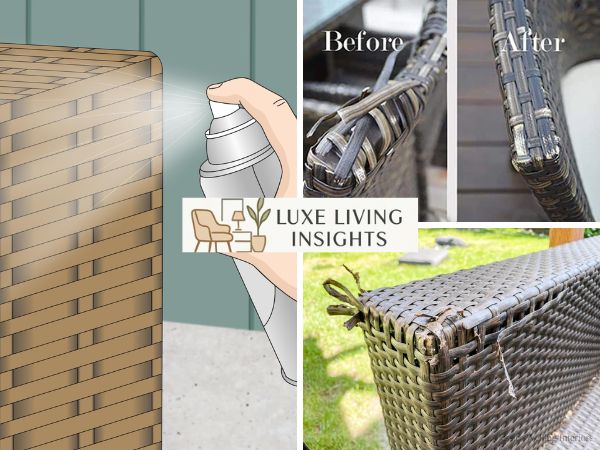
Wood glue repairs natural wicker by bonding the organic fibers back to the frame. For synthetic or plastic wicker, a strong resin glue is required. Resin glue fixes synthetic wicker and ensures the glue bonds strands permanently.
If the damage is extensive, use replacement kits to restore broken strands. This process involves reweaving new material into the existing pattern. Once the structure is sound, sanding prepares the surface for paint.
Applying light coats of spray paint is the best paint type for an even finish. Paint refreshes appearance and provides a thin layer of protection against the elements.
Long-term Protection and Preventative Maintenance
To ensure your furniture lasts, protection is key. After the wicker is clean and dry, apply a coating of furniture polish or lemon oil.
This polish adds shine and lemon oil keeps wicker supple. For outdoor use, a clear sealant acts as a finish type that repels water.
UV-resistant covers are an essential protection accessory. Covers block UV rays, preventing the sun from making the fibers brittle. Furthermore, proper storage is a vital maintenance instruction. During winter and cold weather, storage avoids damage.
Remember that extreme cold or cold cracks plastic frames, and winter damages unprotected frames. Store your sets in a dry/covered condition to maximize their lifespan.
Selecting Quality Replacement Parts and Upgrades
Sometimes, cleaning isn’t enough, and you need to look for where to buy replacement cushions. High-quality cushions should have the feature of being sun-resistant.

These cushions provide comfort and are designed to handle the Mediterranean climate, which requires durable sets.
Brands like In & Out sells quality wicker that is specifically engineered for longevity. When you choose premium garden furniture, the maintenance extends lifespan significantly.
Investing in a set with weatherproof frames means you spend less time on repairing patio sets and more time enjoying your outdoor oasis.
Frequently Asked Questions
How often should I clean my wicker patio furniture?
For optimal preservation, a light dusting or wiping should occur weekly. A deep clean with soapy water is recommended at the start and end of the outdoor season. Regular maintenance prevents the accumulation of abrasive grime.
Is it safe to use a pressure washer on natural rattan?
No, using high-pressure water on natural fibers is discouraged. The force can splinter the wood and saturate the core, leading to internal rot. Use a low-pressure garden hose or a damp sponge instead.
Can synthetic wicker be left outside during the winter months?
While synthetic resin is durable, extreme temperature fluctuations can cause the frames to contract and crack. It is highly recommended to use waterproof covers or store the furniture in a garage or shed during heavy snow or freezing temperatures.
How do I remove a persistent smell of mold from my wicker chairs?
A solution of equal parts white vinegar and water is the most effective remedy. Spray the furniture thoroughly, ensuring the mixture reaches the inner weave, and allow it to dry completely in direct sunlight. Sunlight acts as a natural disinfectant and deodorizer.
Conclusion
Mastering how to clean wicker patio furniture ensures your outdoor retreat remains a sanctuary. We invite you to share your tips or explore more at luxelivinginsights luxelivinginsights.com. Your beautiful home starts with expert care!