
Quick summary
To get smells out of a leather couch, sprinkle baking soda liberally over the surface and let it sit for 24-48 hours before vacuuming. If odor lingers, wipe down with a mixture of equal parts water and white vinegar (a 1:1 vinegar solution) to neutralize smells, then let it air dry and apply a leather conditioner to restore moisture and help prevent cracking.
Start with the safest odor-removal steps (air + absorb)
If your leather couch smells off-musty, smoky, “pet-ish,” or just stale—start with the safest moves first. These steps handle a surprising amount of odor without putting the leather at risk. The goal is simple: improve airflow, then use odor absorption to pull smells out of the surface and seams.
Sun and Air is the gentle reset. Place the sofa (or cushions) in a well-ventilated, sunny area to eliminate musty smells. Even a few hours of good airflow can make a noticeable difference. If you can’t move the sofa, open windows, run a fan, and remove cushions so air can circulate around each side.
Next comes the home staple that’s famous for deodorizing fabrics and upholstery: baking soda. The method is straightforward and doesn’t require liquid on the leather.
- Baking Soda: Sprinkle generously, leave overnight (or up to 48 hours), and vacuum with a brush attachment.
- For stronger odors, sprinkle baking soda liberally over the surface and let it sit for 24–48 hours before vacuuming.
In plain steps, here’s how you do it:
- You sprinkle baking soda liberally over the surface.
- Baking soda sits for 24–48 hours (or overnight for lighter odors).
- You vacuum the surface after 24–48 hours using a brush attachment.
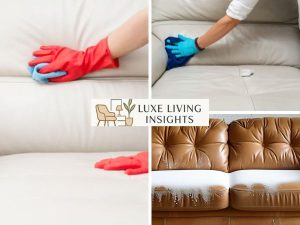
This approach works well because baking soda acts like a passive sponge for odor molecules. It’s ideal when you want to remove odor from leather couch surfaces without risking oversaturation. It also supports a clean, simple “deodorize leather upholstery” routine that feels safe for most households.
If you’re shopping for a statement piece and want the leather to look as good as it smells, you may enjoy browsing Luxury Black Leather Sofas for Your Home for inspiration once your current sofa feels refreshed.
Clean lightly to neutralize lingering smells without soaking the leather
If air and baking soda helped but didn’t fully solve it, the next step is a light, controlled clean. This is where many people go wrong: they use too much liquid, scrub too aggressively, or skip the safety checks. Leather is durable, but it doesn’t like being drenched.
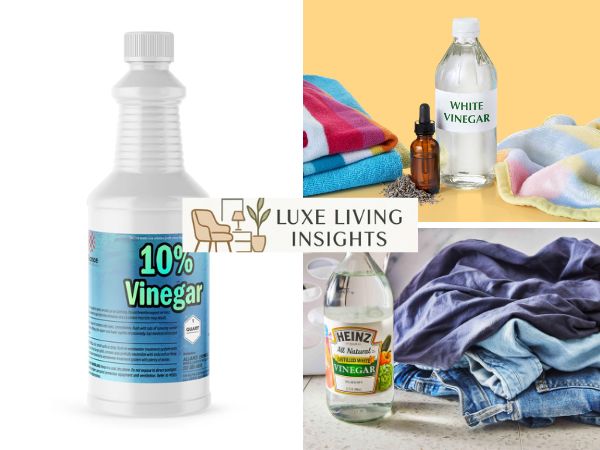
One commonly recommended approach is a vinegar solution for leather smell.
- Vinegar Solution: Mix 1:1 white vinegar and water.
- Lightly mist or wipe with a cloth to neutralize smells; air dry.
In other words:
- A mixture is equal parts water and white vinegar.
- You lightly mist the leather couch or You wipe with a cloth.
- The vinegar solution neutralizes odor, and the couch should air dry.
Two safety rules matter here:
- Test first: Always test cleaners on a small, hidden area.
- Avoid soaking: Do not oversaturate the leather with liquids.
That last point is critical. Even a “gentle” solution can cause issues if it’s applied too heavily. Think “damp cloth,” not “wet couch.” This protects the finish and helps keep your leather from drying out in patches.
If you prefer a very controlled approach, wipe rather than spray. Using a cloth gives you more control over how much liquid touches the leather. Then let the leather air dry naturally—no heat guns, no hair dryers pointed directly at the surface.
These steps cover the semantic keyword cluster you likely care about: baking soda leather couch odor removal for absorption, and vinegar solution for leather smell to neutralize what’s left—while still avoiding soaking.
Restore the leather after odor removal (conditioning matters)
Once you’ve cleaned or neutralized odors, you need to put moisture back. This isn’t optional if you want the couch to stay comfortable and avoid surface damage over time.
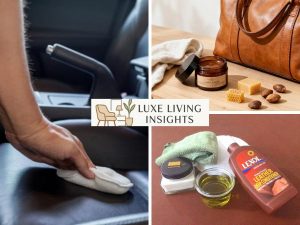
Apply a leather conditioner after cleaning to restore moisture and prevent cracking. In short:
- Always use a leather conditioner after cleaning to prevent cracking.
- Apply a leather conditioner to restore moisture.
Think of conditioning as the “reset” step that keeps leather supple. It also helps the couch look better after any cleaning session, especially if you’ve used a vinegar-water wipe or other odor-neutralizing step.
If you’re building a living room around premium materials, conditioning is part of the long-term care plan just like rotating cushions or keeping the sofa away from direct heat sources. For design inspiration, you can explore Luxury Handmade Sofas for Your Dream Home and notice how well-cared-for upholstery keeps its finish and presence.
Use stronger odor solutions for persistent or organic odors
Sometimes odors don’t come from “staleness.” They come from organic sources—food spills, pet accidents, or mildew residue. When the smell keeps returning, you may need a product designed to break down what’s causing it.
- Leather-safe odor eliminators (designed for upholstery and finishes)
- Leather conditioners with deodorizing properties
- Enzyme-based cleaners for organic odors
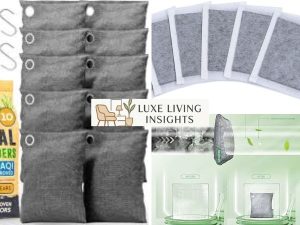
Even with commercial products, the same precautions apply: test first on a small, hidden area and avoid soaking. Apply lightly, let it work, and allow full air drying.
If you’re dealing with a smell that’s deep in the cushion core, you may still need absorption methods (charcoal/newspaper) alongside cleaning. The combination is often what finally clears the problem.
Use absorbent add-ons for stubborn smells in cushions and seams
Odor often hides where you can’t easily wipe: seams, cushion undersides, and the inner foam. This is where passive absorbers shine because they work slowly and continuously without adding moisture.
- Charcoal/Newspaper: Place charcoal in a sock or wrap cushions in newspaper to absorb odors.
That can look like this in practice:
- You place charcoal in a sock and set it near the cushions or in the sofa corner where odor concentrates.
- You wrap cushions in newspaper to help absorb odors, especially overnight.
- Charcoal absorbs odors; Newspaper absorbs odors.
These are especially helpful if your sofa smells musty after storage, or if you can’t immediately pinpoint the source. They also work nicely as a “support method” after baking soda, once you’ve vacuumed and want continued odor absorption without additional cleaning.
If you’re upgrading your space overall and want to rethink layout and upholstery choices, a sectional can change both function and airflow in a room. See Luxury L-Shape Sofa Designs for Your Living Room for ideas—then keep the care routine you learned here to protect that investment.
Important precautions to prevent damage while removing odors
Odor removal is successful only if the leather still looks and feels good afterward.
- Test first: Always test cleaners on a small, hidden area.
- Avoid soaking: Do not oversaturate the leather with liquids.
- Condition: Always use a leather conditioner after cleaning to prevent cracking.
Here’s why they matter:
- Spot-testing protects you from surprise discoloration or changes in sheen.
- Avoiding oversaturation helps prevent stiff patches and reduces the risk of moisture settling into seams.
- Conditioning helps restore moisture after cleaning steps that can dry the surface.
If you notice any negative reaction during testing—darkening that doesn’t fade, tacky feel, or uneven texture—stop and switch to non-liquid methods (air, baking soda, charcoal/newspaper) before trying anything else.
- Establish a regular cleaning routine: Light maintenance keeps oils, dust, and odor sources from building up.
- Ventilate your space: Airflow reduces musty smell in leather sofa materials, especially in humid seasons.
- Use leather conditioners: Conditioning supports the leather surface and reduces cracking risk after cleanings.
- Manage pet and food accidents: Treat spills quickly so odors don’t become embedded.
- Use odor absorbers: Keep a charcoal sock nearby if your home tends to hold smells.
Prevention also pairs well with good design choices. If you’re considering a new silhouette that’s easy to keep fresh (and easy to clean around), take a look at Acanva Luxury Modern Style Curved Sofas and note how placement and spacing can support better airflow in a room.
FAQ
1. Can baking soda damage a leather couch?
No, baking soda is generally safe when used dry and vacuumed thoroughly. The key is avoiding moisture buildup and not rubbing it aggressively into the leather surface.
2. How long does it take to remove odor from a leather sofa?
Mild odors may improve within a few hours of ventilation. Stronger smells can take 24–48 hours using baking soda or charcoal absorption methods.
3. Is vinegar safe for all types of leather?
Diluted white vinegar is usually safe for finished leather when applied lightly. However, it should always be spot-tested first, especially on aniline or untreated leather.
4. What removes pet urine smell from leather furniture?
Enzyme-based cleaners designed for upholstery are most effective for organic odors like pet urine. Absorption methods such as charcoal can help reduce residual smell in cushions.
5. Why does my leather couch still smell after cleaning?
Odors often settle into cushion foam or seams. Surface cleaning alone may not remove deep-set smells, so combining absorption and enzyme treatment is often necessary.
Articles on the same topic:
-

The Anatomy of a Luxury Sofa: Frame Materials Guide
-

10 Cheap Luxury Sofas for a Stylish Living Space
-

Top 5 Luxury Corner Sofas for Elegant Living Rooms
-

7 Stunning Luxury Corner Sofas for Your Home
-

Top 3 Luxury Corner Sofas for Sophisticated Living Spaces
-

10 Best Luxury Sofas Online for Elegant Living Spaces