If you want rattan wicker outdoor furniture that lasts, the winning approach is simple: choose the right wicker (all-weather vs natural), pair it with a long-life frame, and buy cushions you can actually maintain. Done correctly, you get the woven look you love without replacing sets every season.
Next, you’ll learn the most confusing part All-Weather wicker vs natural rattan. One is engineered for sun and rain, while the other is best treated as an indoor or covered-space material. Knowing the difference prevents the most expensive “I thought it was outdoor-safe” mistake.
After that, we’ll map set types (conversation sets, sectionals, dining, bistro, chaise) to real patio sizes and lifestyles. The goal is to buy furniture that fits your traffic flow, seating count, and how you actually host so it’s used daily, not pushed into a corner.
To begin, we’ll finish with care tips and a buyer checklist you can use in-store or online plus climate and warranty “fine print” guidance so you can confidently choose furniture built for your patio’s conditions and your maintenance tolerance.
What is rattan wicker outdoor furniture, and why do some sets last longer than others?
Rattan wicker outdoor furniture is patio furniture that uses a wicker weave (the weaving style) over a frame, and it lasts longer when the weave material, frame, and cushions are designed for UV, moisture, and daily use rather than just looks.
To connect the dots, “why it lasts” comes down to a few measurable build details what the weave is made from, how the frame is constructed, and how the cushions handle water, sun, and mildew. Before you compare brands, it helps to see the categories clearly.
Is “wicker” a material or a weaving style?
Yes “wicker” is primarily a weaving style, not a single material, for three reasons: it describes a construction method, it can be made from natural fibers or synthetic resins, and it’s often marketed alongside “rattan” even when the weave is actually plastic.
To clarify, the same basket-like look can be woven from natural rattan (a plant vine) or from polyethylene-based resin strands engineered for outdoors. That’s why two “wicker” sets can perform wildly differently in sun and rain.
What are the 4 biggest durability factors that determine how long outdoor wicker lasts?
There are 4 main durability factors for outdoor wicker: (1) weave material, (2) frame material, (3) construction quality, and (4) cushion system all judged by the criteria of UV resistance, moisture resistance, and structural stability.
Specifically:
- Weave material: HDPE/quality resin with UV stabilizers resists fading and brittleness better than lower-grade plastics.
- Frame: powder-coated aluminum resists rust; poorly coated steel can fail at joints and fasteners.
- Construction: tight, uniform weaving; reinforced corners; stable legs; quality hardware and welds.
- Cushions: outdoor fabric + quick-dry foams + removable covers = comfort that stays clean.
Evidence: According to a 2024 study published on ScienceDirect, UV radiation combined with heat exposure can accelerate oxidative degradation in HDPE compared with heat alone one reason shade, covers, and UV-stable materials matter long term.
All-Weather Wicker vs Natural Rattan: which is better for outdoor patios?
All-weather wicker wins for outdoor patios because it’s engineered to handle sun and moisture, while natural rattan is a plant-based material that typically degrades faster when exposed to UV, rain, and temperature swings.
Next, the key is matching materials to your patio reality: open-air exposure, morning fog, sprinkler overspray, salty coastal air, or intense afternoon sun. Once you do that, “rattan vs wicker” becomes a practical decision not a confusing marketing phrase.
:strip_icc()/Patio-Furniture-Set-b7cf44e644154c1a907b8767f28291df.jpg)
Does natural rattan belong outdoors year-round?
No! natural rattan generally should not live outdoors year-round for three reasons: it is not waterproof, it’s vulnerable to UV damage, and it can warp or weaken with humidity and temperature changes.
To be fair, natural rattan can work in a fully covered, dry, well-protected outdoor room where it avoids rain and harsh sun. However, for open patios, resin wicker is the safer “buy once” choice.
Evidence: A guide from Maison Louis Drucker notes that natural rattan should not be left outside because UV rays, rain, and fluctuating temperatures can damage it, and it’s best used indoors or in well-protected outdoor areas.
PE wicker vs HDPE wicker: which one lasts longer in sun and heat?
HDPE wicker is usually the best bet for longevity in sun and heat, while lower-grade PE blends can be fine at entry-level price points; the deciding factor is how well the resin is stabilized against UV and heat cycling.
To compare them in real life, think of HDPE as the “tougher, more impact-resistant” family member in the polyethylene category often used in higher-quality outdoor woven furniture. PE is a broader label that can include different formulations and qualities.
Evidence: Research on polyethylene aging shows UV exposure can accelerate polymer degradation, reinforcing why UV-stabilized materials and protective routines matter for outdoor furniture.
What are the easiest ways to spot “true all-weather wicker” in product listings?
There are 5 easy ways to spot true all-weather wicker: HDPE/UV-stabilized resin claims, a powder-coated aluminum frame, tight uniform weave, removable cushion covers, and a warranty that mentions outdoor exposure.
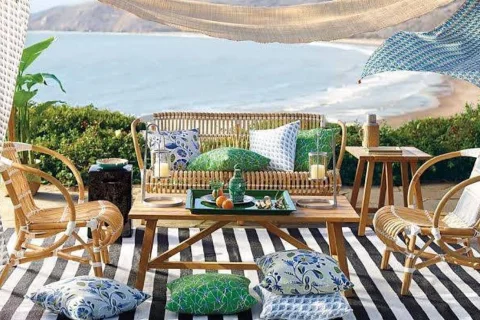
More specifically, look for language like “HDPE resin wicker,” “UV inhibitors,” “all-weather,” and “rust-resistant aluminum.” Then confirm with photos: a tight weave pattern, clean corners, and minimal gaps.
Which outdoor furniture frame material lasts longest under wicker?
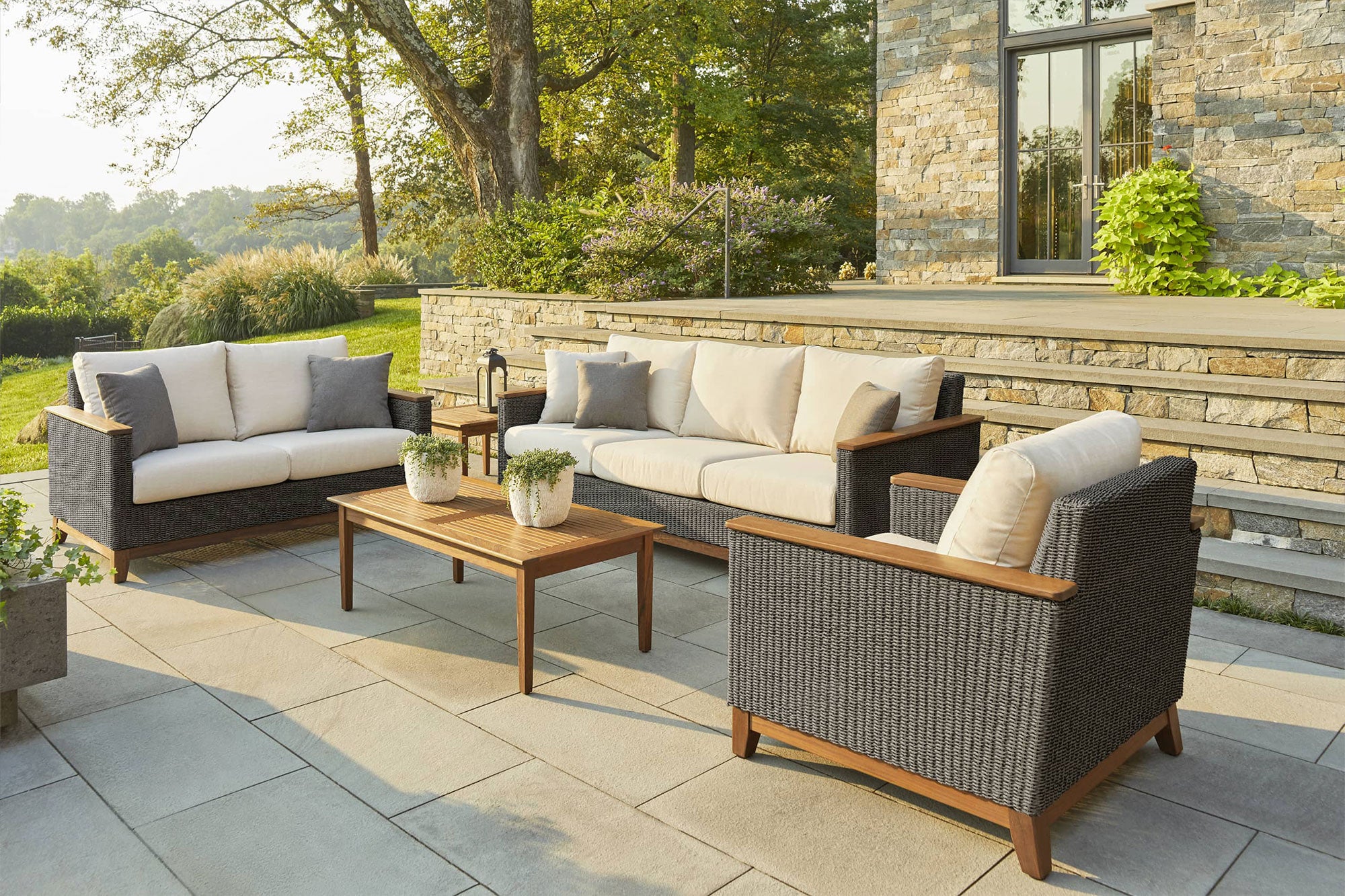
Powder-coated aluminum frames usually last the longest under outdoor wicker because aluminum resists rust and the coating protects against wear, while steel frames can corrode if coatings chip and wood frames require more upkeep.
Next, remember this: the weave gets all the attention, but the frame is the “skeleton.” A premium weave over a weak frame is still a weak set. So the smart buyer evaluates the frame first, then the weave.
Aluminum vs steel frames: which is better for outdoor wicker furniture?
Aluminum wins on corrosion resistance, steel can be good on cost and weight, and the best option depends on your environment but for most patios, powder-coated aluminum is the safer long-term choice.
To explain, steel can last if it’s well-coated and kept protected from standing water and salty air. However, once coating is scratched, steel can rust at joints and fasteners especially near coastal moisture.
Evidence: A 2025 peer-reviewed study in Metals (MDPI) tested powder-coated aluminum alloy samples in a 3.5% NaCl solution (a common saltwater corrosion test condition) and discusses corrosion-resistance performance of coated systems supporting why quality coatings matter in salty environments.
How can you tell if a wicker frame is well-built (even online)?
There are 6 reliable quality signals you can spot online: welded joints, cross-bracing, level legs, solid feet caps, listed weight capacity, and meaningful product weight (heavier often indicates stronger framing).
To make it practical, zoom into product photos:
- Look for smooth welds (not thin tack spots).
- Check for support bars under seats and tables.
- Prefer rust-resistant hardware and protected fasteners.
- Scan reviews for “wobbly,” “uneven,” “bent,” “rust,” or “sharp edges.”
Should you buy wicker furniture with exposed screws and bolts?
It depends yes, if the hardware is corrosion-resistant and well-finished, and no if fasteners are cheap or placed where water collects, for three reasons: exposed hardware can rust, it can loosen over time, and it can snag cushions or skin.
To keep it safe, look for stainless or coated hardware, capped bolt ends, and reviews confirming stability after a season of use.
What set types should you choose for your patio size and lifestyle?
There are 6 main set types to choose from conversation, sectional, dining, bistro, chaise, and bar-height and the right one depends on your patio’s footprint, traffic flow, and how you host (lounging vs meals).
Next, treat your patio like a “room”: measure the usable rectangle, keep clear walkways, and decide whether your priority is conversation or dining. That one decision eliminates most buyer regret.

What are the 6 most common rattan/wicker outdoor set types?
There are 6 common rattan/wicker outdoor set types: conversation sets, sectionals, dining sets, bistro sets, chaise lounge sets, and bar-height sets grouped by the criteria of activity (talk, eat, lounge) and space efficiency.
- Conversation sets: 4- 6 seats around a coffee table; best for hosting and daily relaxation.
- Sectionals: maximum seating per square foot; best for big families and frequent guests.
- Dining sets: upright comfort; best for meals and outdoor work-from-patio moments.
- Bistro sets: compact 2-seat; best for balconies and small patios.
- Chaise sets: sun and poolside lounging; best with quick-dry cushions.
- Bar-height: social, casual, and space-saving; great for view-facing patios.
Sectional vs sofa set vs modular pieces: which layout is best for entertaining?
A sectional wins for seating capacity, a sofa set is best for simplicity, and modular pieces are optimal for flexibility so your best choice depends on whether you prioritize crowd seating, easy styling, or rearranging.
To decide fast:
- Choose a sectional if you host often and want one “anchor” layout.
- Choose a sofa + chairs set if you want balanced symmetry and easy replacement.
- Choose modular if your patio serves multiple roles (kids, dinners, parties).
Is a bistro set a smart choice for small balconies and apartment patios?
Yes a bistro set is a smart choice for small balconies for three reasons: it has a tiny footprint, it’s easy to move, and it creates an intentional “morning coffee” zone without blocking doors or walkways.
To make it work, select foldable or armless chairs, and keep at least a narrow path from the door to the railing.
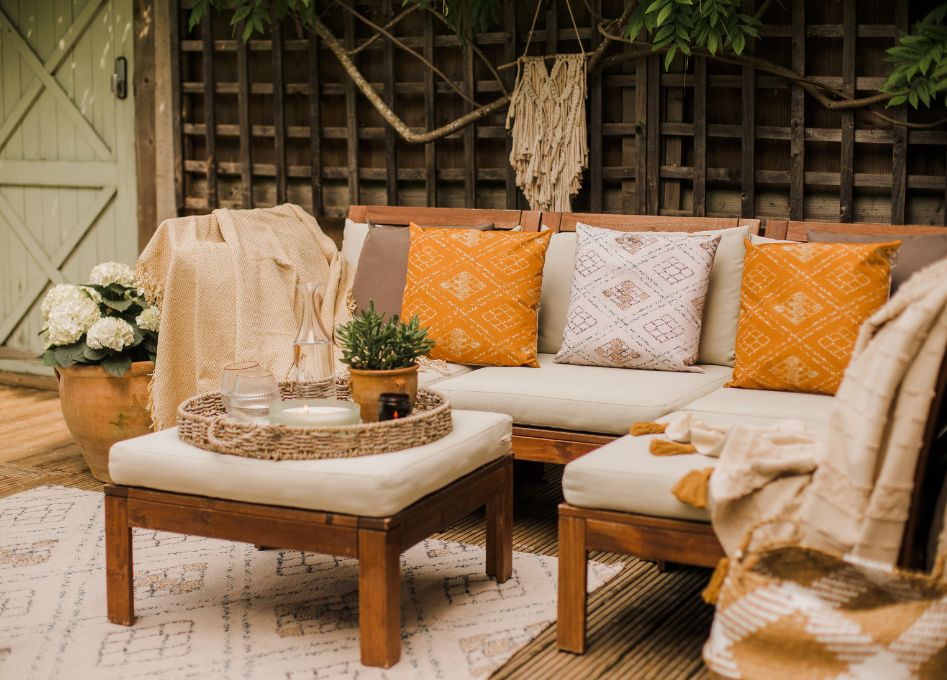
What care tips help rattan/wicker outdoor furniture last longer?
The best care strategy is a simple routine: gentle cleaning, thorough drying, and smart protection (shade, breathable covers, and seasonal storage). This approach reduces UV fading, grime buildup, and moisture problems that shorten furniture life.
Next, avoid the “extremes.” Harsh chemicals and aggressive pressure washing can damage finishes, while never cleaning allows pollen, bird droppings, and mildew to break down materials. The goal is steady, low-effort maintenance.
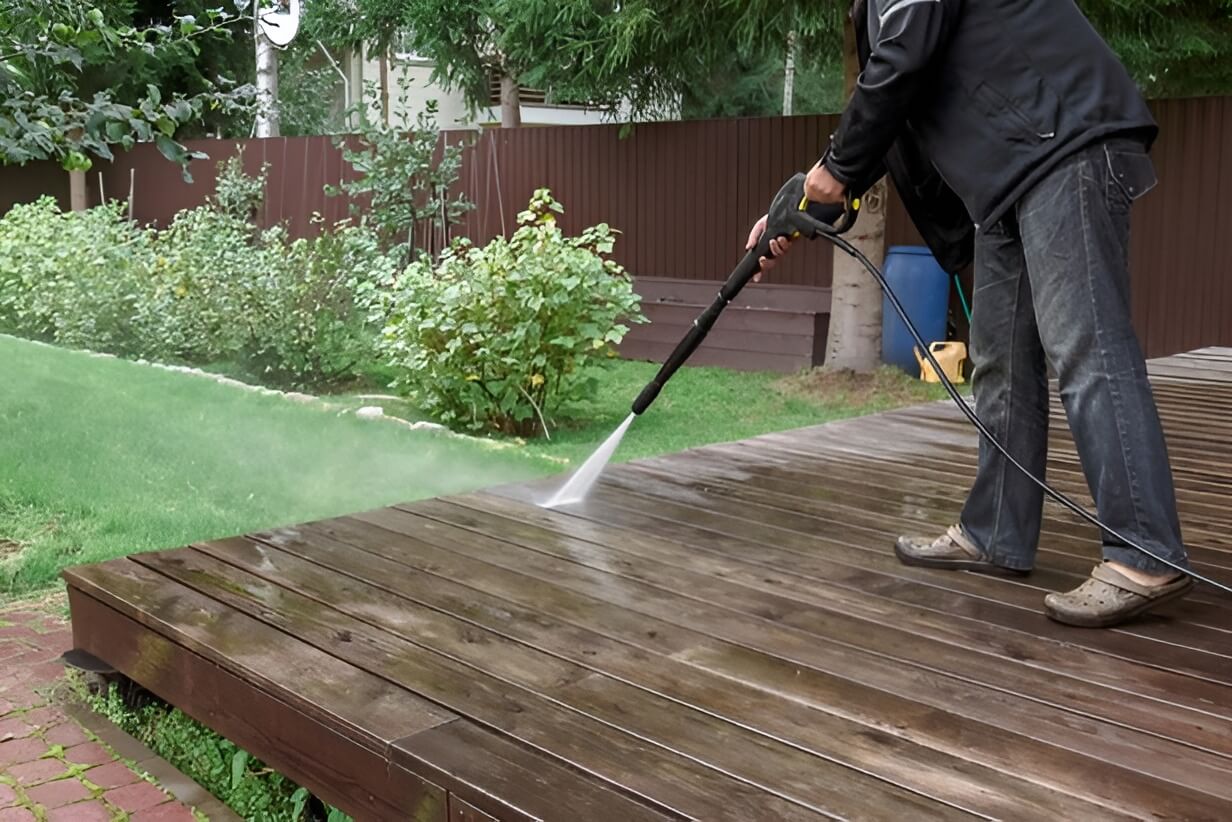
What is the simplest 3-step cleaning routine for all-weather wicker?
The simplest routine is 3 steps: rinse, wash with mild soap and a soft brush, and dry thoroughly and the result is cleaner weave gaps, less grime that feeds mildew, and longer-looking “new” furniture.
To start:
- Rinse: Hose off dust and pollen (low pressure).
- Wash: Use warm water + mild dish soap; gently brush crevices; avoid harsh solvents.
- Dry: Towel-dry and air-dry completely before putting covers on.
The Spruce reports expert guidance suggesting outdoor furniture should be deep-cleaned at least twice a year when it comes out of storage and before it goes back because grime, pollen, and mildew can reduce lifespan.
Should you cover outdoor wicker furniture every night?
It depends yes in harsh sun, dust, or frequent rain, and no if your “cover” traps moisture, for three reasons: covers reduce UV exposure, prevent grime buildup, and protect cushions, but non-breathable covers can encourage mildew.
To do it right, choose breathable, water-resistant covers and let furniture dry fully before covering. Skip plastic tarps that seal in moisture.
What are the top 7 mistakes that shorten wicker furniture lifespan?
The top 7 lifespan-shortening mistakes are: using harsh cleaners, trapping moisture under covers, leaving wet cushions on, no shade in extreme sun, ignoring small rust spots, dragging furniture, and skipping seasonal storage.
To be more specific, moisture trapped in weave gaps is a common “silent killer.” Drying and airflow are just as important as cleaning.
What should you check before buying (online or in-store) to avoid low-quality sets?
Before you buy, you should check material honesty (all-weather vs natural), frame integrity, weave tightness, cushion specs, warranty terms, and real measurements so you don’t end up with furniture that looks good in photos but fails in a season.
Next, treat every listing like an inspection: zoom into corners, read the warranty, and search reviews for the same repeating failure points. A five-minute checklist can save you years of frustration.

What are the 10 “quality signals” that usually mean a set will last?
There are 10 quality signals that usually predict longevity: HDPE/UV-stabilized wicker, powder-coated aluminum frame, tight uniform weave, reinforced corners, stable legs, rust-resistant hardware, thick cushions, removable covers, clear care instructions, and a warranty that addresses outdoor wear.
- Pro tip: If a brand won’t say what the weave is made from, assume it’s lower-grade.
- Pro tip: If the return policy is restrictive for bulky items, inspect twice.
:max_bytes(150000):strip_icc()/Best-Places-to-Buy-Patio-Furniture-FW-tout-aa4da8fe59424d958ff1425d29cecb27.jpg)
Summary: Choose all-weather wicker for open-air patios, prioritize powder-coated aluminum frames, match set type to your lifestyle, and buy cushions you can actually clean. When you align materials, structure, and care, outdoor wicker can stay beautiful for years not just one season.
Source:
- https://encrypted-tbn0.gstatic.com/images?q=tbn:ANd9GcRT_jXIT3I_Z6zgrTVT0DpSxJR3ksbitMXmnw&s
- https://www.bhg.com/thmb/p7DHf4KLix62EZ64yZ-H7SeuP1Q=/1983×0/filters:no_upscale():strip_icc()/Patio-Furniture-Set-b7cf44e644154c1a907b8767f28291df.jpg
- https://indigopoolpatiobbq.com/cdn/shop/files/outdoor-furniture-3.jpg?v=1710526729&width=3840
- https://jardina.com/cdn/shop/files/Mori-1_1.jpg?v=1754642772&width=2000
- https://furn.com/cdn/shop/articles/how_to_clean_your_outdoor_cushions_feature_image_d13a4595-d6c6-4add-be3c-6577bf27f3bf_1024x1024.jpg?v=1742292060
- https://ecobrisbane.com.au/wp-content/uploads/2023/12/High-pressure-cleaning.jpg
- https://sundaydesign.co.in/cdn/shop/files/CortageDiningSet2.jpg?v=1698083616
- https://www.foodandwine.com/thmb/RO4Mr9MhDvf4EuNnXRiu8kiuZIw=/1500×0/filters:no_upscale():max_bytes(150000):strip_icc()/Best-Places-to-Buy-Patio-Furniture-FW-tout-aa4da8fe59424d958ff1425d29cecb27.jpg