
Quick Answer: Linear Pendant vs Chandelier
Choose a linear pendant if you:
- Have a long kitchen island or rectangular table
- Need focused task lighting for cooking or prep
- Prefer a clean, modern look
Choose a chandelier if you:
-
Want a bold focal point in your dining area
-
Have a round or square table
-
Need ambient lighting for the entire room
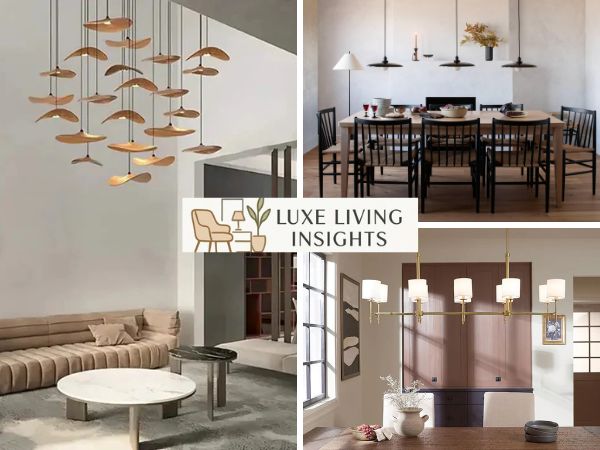
Key Differences in Design, Structure, and Light Distribution
When you look at a linear pendant vs chandelier, the first thing you notice is the skeleton. A linear pendant features a linear frame and a rectangular shape, designed specifically to stretch across elongated surfaces. In contrast, a chandelier typically possesses an ornate style with a central body and branching arms that support multiple lights.
Technically, a pendant light relies on a single light source suspended from the ceiling. However, modern multi-light pendants now group several bulbs under a single canopy.
Even so, linear pendants provide task lighting that is much more concentrated than a traditional fixture. Because linear fixtures suit modern designs, they often feature sleek lines and a minimalist look that avoids visual clutter.
On the other side, chandeliers serve as focal points. They are built to provide broader ambient lighting to illuminate the whole room. While branching arms support chandelier bulbs, the light radiates outward rather than focusing directly down.
This means a chandelier decorates the dining room by creating a wash of light, whereas linear pendants provide task lighting for specific chores like dicing vegetables.
Matching Your Lighting Fixture to Kitchen Island and Table Geometry
Success in interior design depends on geometry. A kitchen island needs targeted light, and since most islands are long and narrow, linear pendants illuminates the kitchen island perfectly.
This rectangular light fixture mirrors the surface below, ensuring no corner is left in shadow. Essentially, a rectangular table requires linear light to maintain visual balance.
If you have a round or medium-sized dining table, a chandelier is often the better decorative ceiling light. If you are designing for a foyer, a chandelier placement offers the high-impact luxury lifestyle feel guests expect.
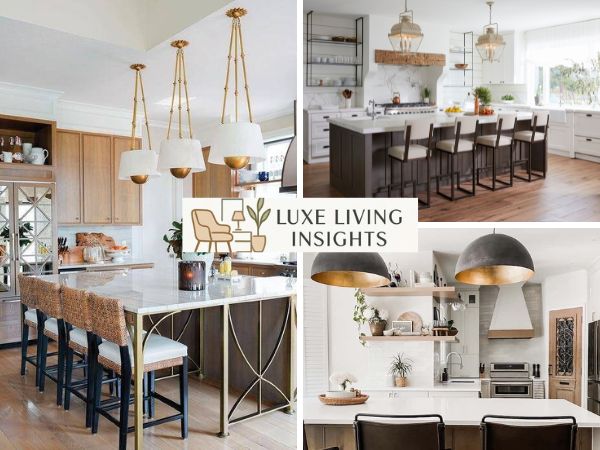
However, for modern office spaces or long kitchen island placement, the linear lighting design is the reigning champion. Choosing the right geometry is the first step in discovering indoor mood lighting ideas that transform your home.
| Feature | Linear Pendant | Chandelier |
|---|---|---|
| Best for | Kitchen islands, long tables | Dining rooms, foyers |
| Lighting type | Task lighting (focused) | Ambient lighting (diffused) |
| Ideal room size | Small to medium | Medium to large |
| Ceiling height | Low to standard ceilings | High or vaulted ceilings |
| Design style | Modern, minimalist | Classic, decorative |
| Installation | Simple | May require reinforced support |
Impact of Ceiling Height and Room Volume on Your Selection
The volume of your room dictates the scale of your fixture. A high ceiling requirement usually points toward a large chandelier or a tiered chandelier with multiple levels. These fixtures benefit from grand chandeliers because they fill the vertical void effectively.
If you are dealing with a lower ceiling suitability, a sleek linear light is your best friend. It provides concentrated illumination without making the room feel cramped.
For those in home renovation, ensuring the ceiling height matches the fixture’s visual impact is crucial. Large space illumination requires the power of multiple lights found in a chandelier, while smaller zones thrive with modern hanging lights.
Popular Styles and Material Trends for 2026
2026 is all about texture and tech. The Sputnik chandelier design continues to trend with its starburst appearance, perfect for contemporary kitchens.
Meanwhile, the industrial pendant aesthetic remains popular for those who love a utilitarian vibe using raw materials. If you prefer a more organic touch, consider checking out these rattan ceiling pendant ideas for boho & coastal rooms.
We are seeing a massive shift toward specific finishes:
- Satin nickel and polished chrome for a reflective and silver look.
- Oil-rubbed bronze for a dark and matte finish that feels rustic.
- Copper finishes to add warmth to interior chandeliers.
A crystal chandelier material using crystal prisms creates a dazzling effect in formal spaces. For a more minimalist kitchen, a drum pendant with a drum shape or a glass globe that diffuses light offers a clean and contemporary look.
Even mini pendants, which are compact in size, can be used in cluster pendants to create visual interest. Many are even looking to modern front porch lighting ideas that boost curb appeal fast.
Functional Considerations: Task Lighting vs. Room Ambience
The choice between a linear pendant vs chandelier often comes down to functionality. Task lighting facilitates food preparation by putting light exactly where it’s needed. This is why linear pendants provide task lighting.
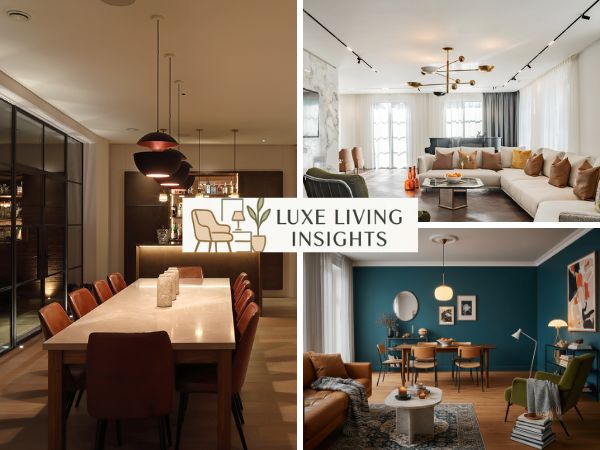
However, if your kitchen is a social hub, ambient light fills the large space to make it feel welcoming. Chandeliers serve both functional and decorative purposes.
They provide the overall ambient lighting that makes a luxury home feel cohesive. When choosing, you must consider lumens, color temperature, and the installation of a dimmer switch to control the visual impact of your space.
Installation Essentials and Technical Requirements
Before you buy, check your architecture. A pendant light hangs from a ceiling rod, but a heavy chandelier might require a reinforced electrical junction box.
Every fixture must have a proper ceiling canopy to hide the wiring. In 2026, LED integrated fixtures are the industry standard, offering better efficiency.
Ensure your choice is UL Listing certified for safety. Whether it is a multi-light pendant featuring a single canopy or branching arms supporting chandelier bulbs, the installation must be secure.
Remember that light distribution impacts room ambiance, so test your voltage and dimmer switch compatibility early in the home renovation process.
Frequently Asked Questions
What is the primary difference in light distribution between these fixtures?
The primary difference lies in the intended purpose of the illumination. A linear pendant is engineered to provide concentrated task lighting across a specific, elongated surface. Conversely, a chandelier is designed to provide broader ambient lighting through its branched structure.
Which fixture is more suitable for a modern kitchen island?
For a modern kitchen island, the linear pendant is generally the superior choice. Its rectangular frame aligns with the geometry of most islands, ensuring uniform light coverage and high functionality.
How does ceiling height affect the choice between a pendant and a chandelier?
Ceiling height is a critical constraint. Grand, double-height rooms benefit from the scale of a traditional chandelier, while spaces with lower ceilings are better suited for sleek linear pendants to avoid obstructing sightlines.
Can these fixtures be used together in an open-concept space?
Yes, integrating both fixtures is a common strategy to create light zoning. For instance, a linear pendant over the kitchen island for tasks and a matching chandelier over the dining table for formal focus.
Conclusion
Choosing a linear pendant vs chandelier depends on your needs for task lighting and visual impact. For more expert interior advice, visit luxelivinginsights. We invite you to leave a comment below or share this guide!
Articles on the same topic:
-

Pendant Height Over Table: The 30-36 Inch Rule
-

Wiring 3 Pendants to One Junction Box: DIY Guide
-

Calculating Lumens for High Vaulted Ceilings
-
PILLAR: Ultimate Guide to Kitchen & Dining Lighting
-

When Were Chandeliers Invented? A Deep History of Luxury Lighting
-

How to Take LED Lights Off the Wall Without Damaging Your Walls