
If you’re wondering how to repair a rattan chair, the good news is that most fixes are simple and can be done at home. Whether you’re dealing with broken strands, a sagging seat, or faded wicker, this step-by-step guide will show you exactly how to restore your chair quickly and affordably.
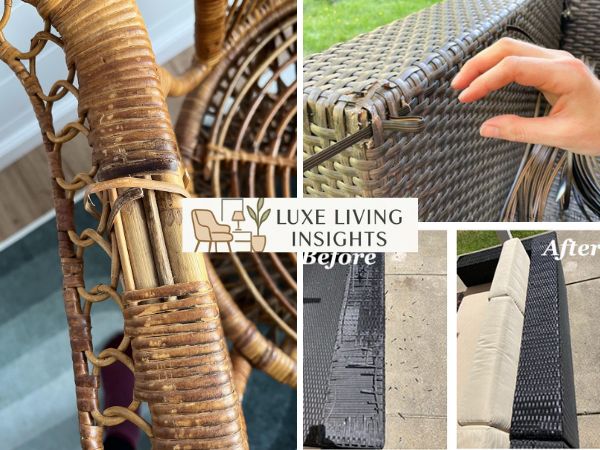
Practical Steps how to repair a rattan chair
When you notice a snapped piece of wicker, the first step is assessment. A user cuts damaged strands at the nearest joint to hide the repair. For natural rattan, preparation is everything. Warm water increases flexibility because cellulose fibers absorb moisture.
You should soak new rattan strands for a duration of 10 to 30 minutes; this prevents the material from snapping during the weaving process. This is particularly important when maintaining high-quality pieces like stunning juliette cane dining side chairs.
Once the replacement strands match the original width, begin the integration. Strands follow the weave pattern, moving over and under the existing structure. Re-weaving restores pattern integrity and ensures the structural integrity of the piece.
To finish, wood glue bonds loose strands on natural pieces, while a strong outdoor adhesive is the best application for synthetic rattan strands. Secure the ends with clamps or clips for a drying time of 24 hours.
| Component | Material Property | Repair Action |
|---|---|---|
| Natural Rattan | High moisture absorption | Soaking in warm water |
| Synthetic PE Rattan | Polyethylene (PE) base | Use outdoor adhesive |
| Broken Joint | Low tensile strength | Wrap with twine |
How to Fix Loose Strands on Natural and Synthetic Chairs
Loose strands are a common nuisance, but they are easily managed. First, cleaning the area is vital because adhesive needs a clean surface to bond properly.
Cleaning improves the adhesive bond by removing grit. For natural rattan, use wood glue. For synthetic rattan, choose a strong outdoor adhesive that handles thermal expansion.

Re-weaving or pressing the strand back into place restores the look. Use clips or cable ties to secure the glued joints while they cure. Remember, glue cures within 24 hours.
If you are working with natural cane, such as on backed cane dining chairs, soaking the loose piece briefly makes it more pliable. This simple technique restores furniture to its former glory without a full replacement.
Restoring Structural Integrity to Sagging Seats and Loose Frames
A sagging seat often has a cause related to a stretched weave or a loose frame. For natural rattan, a mist spray tightens the natural weave. Simply mist the seat with warm water and let it dry; as the water evaporates, the fibers shrink and tighten. This is a great how-to fix for rattan folding dining chairs for your home that have seen frequent use.
If the frame is the issue, screws tighten the loose chair frame. For synthetic PE rattan sets, support straps made of webbing are often the culprit. You can replace these by stapling or screwing new webbing into the frame.
Broken joints require more care. Apply strong adhesive and use twine to reinforce the broken joints. The twine holds the joint tight while the adhesive sets, ensuring the chair can once again handle tensile stress, especially on wicker dining chairs with arms where the armrests take significant weight.
Refreshing Faded, Discolored, or Weather-Damaged Rattan
Sun discolors material over time. Synthetic rattan is made of polyethylene, which is durable but can still fade. A UV-resistant spray is the best application for synthetic rattan to refresh its color. Natural rattan requires more traditional restoration.
First, sanding with sandpaper smooths rough patches. Then, apply rattan oil, wood stain, or clear varnish. Varnish seals fibers and protects natural fibers from moisture absorption. If your furniture has water damage, let it dry slowly indoors away from direct heat to prevent warping.
Finally, maintenance prevents damage. Using protective covers and storing furniture indoors during winter weather will drastically reduce the need for future repairs.
Long-term Care and Preventative Maintenance
To maximize the structural integrity of your chairs, you must adopt a proactive maintenance routine. Humidity levels play a significant role in the lifespan of natural rattan.
Too dry, and the fibers become brittle; too wet, and they succumb to water damage. Rattan oil nourishes natural cane, keeping it supple.

For synthetic rattan, the goal is protecting the Polyethylene (PE) from UV rays. Sun exposure can make the plastic brittle over time. Aside from UV-resistant spray paint, simply cleaning the set with warm soapy water removes abrasive salts and bird droppings.
Avoid sitting on arms or leaning heavily on weak points, as this creates tensile stress that the weaving was not designed to handle. By avoiding these habits, you prevent future repairs and keep your patio sets looking brand new.
FAQs about How to Repair Rattan Chair
How long should natural rattan be soaked before repair?
Natural rattan must be soaked in warm water to increase its tensile strength and flexibility. The recommended duration is between 10 to 30 minutes. This ensures the pliable fibers can be woven without snapping.
What is the best adhesive for fixing loose rattan strands?
The choice of adhesive depends on the material. Wood glue bonds natural rattan effectively. However, for synthetic rattan, a strong outdoor adhesive or polyurethane-based glue is required to withstand thermal expansion and weather.
Can a sagging rattan seat be fixed without replacing the material?
Yes, for natural rattan, you can mist the seat with warm water. As the fibers dry over 24 hours, they naturally contract and tighten. If the seat is synthetic, you may need to tighten screws or replace webbing straps underneath the frame.
How do I protect my rattan furniture from fading in the sun?
Sun discolors both types of rattan. For synthetic versions, apply a UV-resistant spray paint. For natural rattan, use a wood stain followed by a protective lacquer or varnish to block harmful rays and seal the material.
Conclusion
Repairing your furniture is a rewarding way to sustain your home’s beauty. If these tips helped you, please share your progress or leave a comment below. For more expert interior insights, visit luxelivinginsights at luxelivinginsights.com. Happy restoring!
Articles on the same topic:
-
How to clean wicker patio furniture
-

How to Clean a Polyester Fiber Couch?
-

How to measure room for furniture with a step by step professional guide
-

The Ultimate Guide to Removing Water Stains from a Fabric Couch
-

How Many Chairs in a Living Room? Expert Layout Seating Guide
-
Will It Fit? How to Measure Your Furniture for Tight Stairs and Corners