

Determining the Ideal Number of Chairs Based on Your Room Size and Capacity
The foundation of a functional living space often begins with a simple question: how many chairs in a living room? Determining the seating capacity is a strategic process that must account for your actual square footage. A typical living room usually features 0 to 4+ accent chairs. These pieces complement a main sofa to ensure the room can seat 4 to 8 people comfortably. If you have a large sofa or sectional, you will find that fewer chairs are necessary because the primary piece already anchors the room.
For those navigating a small room, the chair count should be limited to 0 to 2 chairs. Overcrowding is the enemy of visual balance. In tight quarters, a single armless chair or a compact settee save floor space while still offering a place to perch. Conversely, large rooms require a different approach. These spaces frequently feature 2 to 4+ chairs, often arranged in pairs of matching chairs. This setup provides symmetry and defines the interior flow. If you are looking for specific inspiration to fill a spacious area, you might consider these Luxury Lounge Chairs to Elevate Your Living Room.
Design legend Bunny Williams recommends a six seats minimum for every family room. This ensures that even in a smaller home, you are always prepared for a gathering. When calculating your count, consider the living room seating capacity relative to the focal point. Whether it is a television or a fireplace, every chair should have a clear purpose. If you prioritize maximum seating, you might lean toward a u-shape; if you value open space, fewer, high-quality accent chairs are the way to go.
| Room Size | Recommended Chair Count | Total Seating Capacity |
|---|---|---|
| Small Room | 0 – 2 Chairs | 3 – 5 People |
| Medium Room | 2 Chairs | 5 – 6 People |
| Large Room | 2 – 4+ Chairs | 6 – 8+ People |
Strategic Layout Options for Combining Sofas and Accent Chairs
Once the number is set, the accent chair arrangement defines how people interact within the space. The classic layout consisting of one sofa and two armchairs remains the most popular choice globally. It is versatile, clean, and easily adapted to most room proportions. In this setup, the sofa seats the majority, while the pairs of chairs provide symmetry across from it. To ensure you make the right pairing, you can learn how to Choose the Best Accent Chairs to Complement Your Sofa.

If your household prioritizes comfy vibes, you might shift toward sectional configuration. A u-shaped or l-shaped sectional maximizes comfort and can comfortably fit at least three people on its own. In this scenario, you might only need a pair of chairs placed directly across the open end to complete the rectangular arrangement. This keeps the interior flow logical and the traffic flow unobstructed.
In rooms with lots of doorways, a traditional parallel setup might not work. Here, you should angle your pair of chairs. This subtle shift makes crossing the room easier and maintains natural pathways. For a more eclectic and relaxed look, consider using mismatched chairs. This approach adds character and allows you to mix a deep armchair for lounging with a more upright chair for social chatting.
Popular Living Room Seating Layouts Designers Use
Interior designers often rely on a few proven seating layouts to balance comfort and conversation.
Sofa + Two Chairs
This is the most common arrangement. A standard sofa paired with two accent chairs creates seating for 5–6 people while keeping the room visually balanced.
Sectional + One Chair
A sectional already provides multiple seats, so adding a single accent chair helps complete the layout without overcrowding the space.
Sofa + Four Chairs (Large Rooms)
In large living rooms, designers often place two pairs of chairs across from the sofa to create a full conversational seating zone.
Specialized Seating Solutions for Tricky Living Room Focal Points
Tricky rooms – those with a fireplace on one wall and a TV on another – require a smarter furniture layout strategy. This is where swivel chairs or Larkin Swivel Gliders become the versatile hero. These chairs solve the dilemma of multiple focal points because they face either the TV or the conversation area with a simple rotation.
For the tightest spots, armless chairs are ideal for tight traffic patterns. Because they lack the bulk of traditional arms, they allow for a higher seating capacity without making the room feel cramped. If you are looking to fill awkward corners, the occasional chair is your best friend. These are typically smaller and can be pulled up to the main seating zones whenever you have extra guests.

Other tuck-away options include upholstered cubes, benches, or an ottoman. These items do not block the line of sight, making them perfect for open floor plans. You can keep them under a console table and bring them into the conversational seating zones only when the situation demands it. This keeps your daily floor plan clean while ensuring your living room has enough flexible seating for guests.
Essential Spacing Rules for Comfort and Traffic Flow
Fitting the chairs is only half the battle; you must also ensure there is enough breathing room. A crucial pro-tip is to ensure a seating gap of 3.5 to 10 feet between seats. This distance prevents overly distant conversations while also ensuring the area doesn’t feel cramped.
Designers also recommend keeping 16–18 inches between the coffee table and seating. This distance allows people to reach the table comfortably while still maintaining enough legroom.
Another fundamental rule is: don’t be a wallflower. In interior design, the goal is to float your sofas and chairs out from the wall. Floating furniture eliminates the wallflower look and creates a more intimate atmosphere. If you have a massive space, do not try to make one giant circle. Instead, divide and conquer. Split the room into two intimate seating areas. This is effective because any gathering of more than ten people will naturally break into smaller groups. By keeping your seating arrangements tight, you facilitate better social interaction.
Choosing Chair Styles to Balance Symmetry and Eclectic Design
The style of your chairs significantly impacts the room’s visual weight. Pairs of matching chairs are excellent for creating symmetry and a sense of order. This is a hallmark of classic and formal designs. However, if you prefer a more relaxed look, mismatched chairs are a wonderful way to showcase personality.
You should always balance functionality with style. A deep armchair is meant for lounging, perfect for a reading nook corner. Meanwhile, an upright chair is better for socializing and chatting with guests. Ensure that all your choices complement the main sofa in terms of scale. A chair that is too large can overwhelm the sofa, while one that is too small will look like an afterthought. By focusing on visual balance, you ensure that your accent chair arrangement feels intentional and professionally designed.
Quick Rules for Choosing the Right Number of Living Room Chairs
If you’re unsure how many chairs your living room needs, these simple guidelines can help.
- Small living rooms: 0–2 chairs
- Medium living rooms: 1–2 chairs alongside a sofa
- Large living rooms: 2–4 chairs to create conversation zones
- Open floor plans: flexible seating like swivel chairs or occasional chairs works best
Frequently Asked Questions
How do I decide between a pair of chairs or a single large chair?
The choice depends on your room size and the level of symmetry you desire. Pairs of matching chairs are ideal for larger rooms as they provide symmetry and create clear conversational seating zones. However, in small rooms, a single, high-quality reading chair or deep armchair can act as a statement piece without crowding the floor plan.
What are the best chairs for a living room with multiple focal points?
For rooms where you must choose between facing a fireplace, a window, or a television, swivel chairs are the best option. Specifically, Larkin Swivel Gliders allow users to rotate easily between different focal points. This solves the problem of static furniture and ensures every seat in the room is functional regardless of the activity.
How much space should be left between chairs for comfort?
To maintain both comfort and ease of conversation, you should ensure there is at least 3.5 to 10 feet of space between seats. This seating gap prevents the area from feeling cramped while ensuring that guests are not overly distant from one another, allowing for natural, fluid dialogue.
Can I use different styles of chairs in one room?
Yes, using mismatched chairs is a popular way to achieve an eclectic and relaxed look. The key is to maintain a sense of visual balance by ensuring the chairs share a common element, such as similar proportions, a shared color palette, or complementary materials. This prevents the room from feeling cluttered while adding significant character to the interior aesthetics.
Articles on the same topic:
-
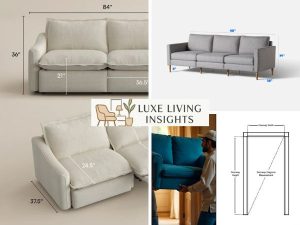
How Long Is a Loveseat in Inches?
-

How to Get Water Stains Out of Fabric Chairs
-

Pendant Light Over Kitchen Sink Height
-

How Much Does It Cost to Install 4 Recessed Lights? (2026 Price Guide)
-

How Many Pendant Lights Over a 9-Foot Island? The Designer’s Sizing & Spacing Guide
-

Choose Rattan Wicker Outdoor Furniture That Lasts