1. Step-by-Step Guide to Repairing Peeling and Flaking Surfaces
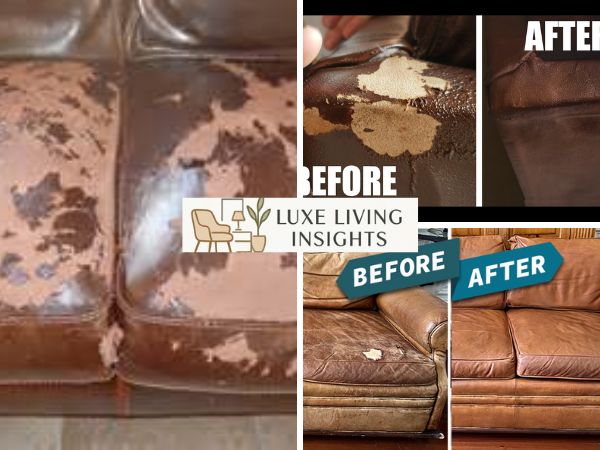
If you are staring at a flaking couch, don’t panic. While real leather does not peel, many modern sofas use a synthetic composite known as bonded leather.
This material is the particle board of leather, consisting of 10-20% leather scraps held together by a polyurethane skin. When this PU skin begins its hydrolysis-related failure, you can still perform a leather sofa peeling repair to extend its life.
First, you must address the surface delamination. Sanding removes loose flakes and provides a clean slate. Use a pair of fine scissors to cut away loose flakes and then use sandpaper to smooth the transition between the PU coating and the polyester fabric backing. Sanding prepares the damage area so the adhesive bonds filler to fabric effectively.
Next, solvent removes surface oils to ensure the flexible leather filler sticks. Once the area is clean, use a palette knife to apply the filler. This flex-filler remains pliable even after it dries.
Filler bridges peeling gaps and creates a smooth surface. You might need multiple coats to achieve a lustrous leather-like surface. After the filler dries, a light sanding ensures the filler matches the grain texture.
The final touch involves leather colorant. Use a foam sponge to apply multiple thin layers of matching leather color dye. Remember, dye can dry darker on fabric than on the original synthetic material.
Once the color is uniform, apply a matte clear coat sealant. This sealant protects the repair surface and adds a protective layer against future wear.
2. Choosing the Right Leather Repair Kit for Lasting Results
Not all solutions are equal. A high-quality leather repair kit is an essential component for a professional-looking DIY job. These kits typically include color tints, a flexible leather adhesive, and a matte sealant. Permatex is a widely recognized brand that offers specialized kits for these polyurethane materials.
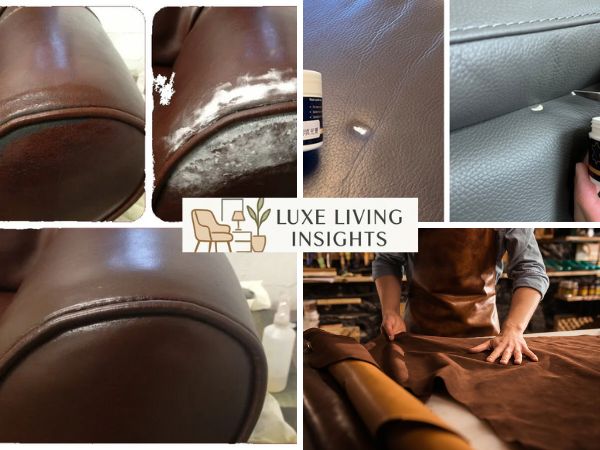
When selecting a kit, look for flex-fill compounds that can withstand the constant movement of sofa cushions. A palette knife is necessary for precision, and texture pads mimic leather grain to help the repaired spot blend in.
If you are dealing with aniline leather, which is high/absorbent, ensure your kit is compatible with water-based leather paint to maintain the material’s breathability.
| Component | Purpose | Benefit |
|---|---|---|
| Flexible Filler | Fills gaps | Prevents further cracking |
| Leather Dye | Restores color | Hides the fabric backing |
| Matte Sealant | Final coating | Sealant protects repair |
| Sanding Grit | Smoothing | Creates a professional finish |
3. Identifying Your Material: Is It Real Leather or Bonded/Faux?
Understanding your furniture’s composition is key to managing expectations. Bonded leather contains scrap leather, but it is essentially a polyurethane skin glued to microfiber or polyester fabric. In contrast, full grain leather has an intact/natural surface that does not peel.
If you are looking for long-term durability, you might want to explore stunning luxury sofa designs that utilize premium materials.
| Feature | Bonded Leather | Full Grain Leather |
|---|---|---|
| Composition | 10-20% leather scraps | 100% animal hide |
| Backing Type | Microfiber or woven fabric | Real suede |
| Durability | 18 months to 3 years | Decades |
| Price (3-Seat) | Under $1,500 | $1,500 – $2,000+ |
Look for removable cushions. These usually indicate higher quality because they require more yardage of expensive animal hide. Check the backing type; if you see a woven fabric behind a crack, you are dealing with faux leather.
Trademarked names like DuraBlend, EnviroBlend, and Ultraleather are all indicators of synthetic material durability rather than authentic hide.
4. Why Synthetic Leather Peels: The Science of Hydrolysis-Related Failure
Hydrolysis causes PU delamination. This is a chemical process where moisture triggers polyurethane breakdown. Even if you don’t spill water, high humidity accelerates hydrolysis by breaking the chemical bonds in the polyurethane resin.
The industry uses the Jungle Test (ISO 1419 Tropical Test Method C) to evaluate how long these materials last. A 5 weeks (recommended) rating in the Jungle Test is the standard, yet even the best polyurethane resins were never meant to last more than a few years.
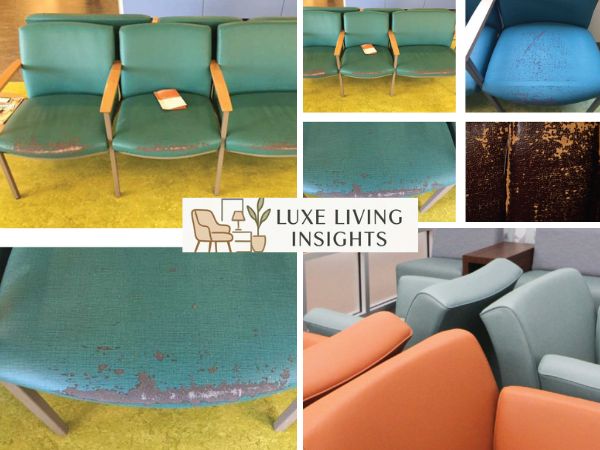
This is why warranty excludes hydrolysis failure; it is a predicted breakdown of the cheap particle board version of leather. While vinyl (PVC) is more durable, its toxicity during production is high, leading the industry toward the less stable PU alternatives.
5. Alternative Solutions for Heavily Damaged Furniture
Sometimes a leather repair kit isn’t enough. If the peeling is widespread, you might consider staining the exposed fabric. This involves removing all the unstable polyurethane skin and applying water-based paint. While this improves appearance, it lacks the lustrous leather-like surface of the original.
For those who prefer a more traditional look, stunning wooden luxury sofa sets often provide a more stable frame for high-quality upholstery. Reupholstering replaces damaged material entirely, but the cost can be high. For a large club chair, you may need 5-7 yards of leather.
At $100+ per yard for top grain leather, the costs add up. However, reupholstering with full grain leather means your furniture will last years, even decades, making it a superior investment strategy.
6. Maintenance Strategies to Prevent Future Cracking
Prevention is the best medicine. Conditioner prevents surface cracks by keeping the PU coating hydrated and flexible. Regularly apply leather conditioner to create a barrier against moisture-related degradation. If you have invested in luxury classic european sofa sets, proper maintenance is even more critical to preserve their intricate details.
Proper cleaning improves adhesion of the protective clear coat. Always use mild cleaners and avoid harsh chemicals that might strip the urethane finish. Keep your sofa away from UV rays, as they fade aniline leather and weaken the polyurethane skin of faux leather.
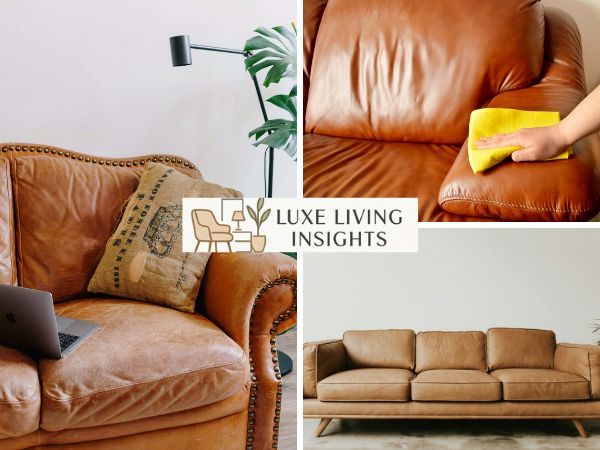
By controlling the environment and moisture levels, you can delay the hydrolysis process and keep your leather sofa peeling repair looking fresh for longer.
FAQs about Leather Sofa Peeling Repair
Can real leather peel or flake like bonded leather?
Real leather does not peel or flake. If you notice the surface of a genuine leather sofa coming off in thin, plastic-like layers, it is almost certainly a polyurethane (PU) skin or bonded leather. Authentic animal hide may crack or fade over time if not conditioned, but the grain texture remains structurally intact.
The only exception is if a urethane finish on the surface is scratched, but this is a minor issue that does not involve the fabric backing.
Is a peeling bonded leather sofa worth the repair cost?
Repairing bonded leather is often a temporary fix. Because hydrolysis causes PU delamination, the underlying chemical bond has already failed. While a leather repair kit can bridge peeling gaps, the surrounding polyurethane will likely continue to peel. If the damage is localized, a $23 – $50 repair is a good value.
However, if the peeling is extensive, reupholstering or investing in top grain leather is the more sustainable professional option.
How does the Jungle Test affect the lifespan of my sofa?
The Jungle Test, or ISO 1419 Tropical Test Method C, measures humidity resistance of synthetic materials. Manufacturers use this to see how polyurethane resin holds up in hot, humid conditions. Even if a material passes the recommended 5 weeks of testing, there is no direct correlation to years of service.
Most PU materials begin to fail around 18 months to 3 years, which is often exactly when the furniture warranty exclusion for hydrolysis kicks in.
Why do repair compounds often fail to stick to faux leather?
Repair kits and coatings struggle to adhere because of the instability of bonded and faux leather. As the polyurethane skin continues to break down through hydrolysis, it pulls away from the polyester fabric. If the base is unstable, the flexible leather filler has nothing solid to grip.
For the best chance of success, you must remove all loose flakes and ensure the surface is clean and free of body oils before applying any adhesive.
What is the best leather repair kit for peeling couches?
The best leather repair kits include flexible fillers, color-matching dyes, and sealants. Look for kits specifically designed for bonded or faux leather to ensure better adhesion and durability.
How long does a leather sofa repair last?
Most DIY repairs last between a few months to a couple of years, depending on usage and the condition of the material. Bonded leather repairs are usually temporary.