
simplicity, function, and light with a warm, livable sense of comfort
so spaces feel calm, practical, and quietly beautiful rather than flashy or cluttered.Next, you’ll learn the key principles that make Scandinavian design instantly recognizable from
“function first” layouts to daylight-boosting palettes so you can understand why the style works, not just
what it looks like. After that, we’ll break down the essential elements (colors, materials, furniture shapes, lighting,
textiles, and decor rules) so you can build a Scandi room intentionally without drifting into “too plain” or “too cold.”To begin, we’ll define Scandinavian design clearly, then move step-by-step into practical examples and a beginner
refresh plan you can apply this weekend whether you’re decorating a small apartment, a family home, or a new home office.

What is Scandinavian design in interior design?
Scandinavian design is a minimal, functional, light-forward interior style shaped by Nordic living,
where rooms prioritize comfort, practicality, and natural materials
over excess decoration so the home feels calm, usable, and easy to maintain.
Next, it helps to know the “recognition cues.” When you walk into a Scandinavian-style room, you usually notice:
- Brightness: pale walls, open sightlines, and a daylight-first feeling.
- Simple shapes: clean-lined furniture with slim profiles and tapered legs.
- Warm natural materials: light wood, wool, linen, leather, and ceramics.
- Edited decor: fewer objects, but each one looks intentional.
- Comfort without clutter: cozy textures and soft lighting, not piles of stuff.
In other words, Scandinavian interior design style isn’t about owning “Scandi things.” It’s about building a space that
supports daily life quietly, beautifully, and with minimal friction.

Is Scandinavian design the same as minimalism?
Scandinavian design is not the same as minimalism: Scandinavian interiors are typically
warmer and more textured, while minimalism is often stricter and more focused on
reduction, emptiness, and visual restraint.
Next, here’s a practical way to remember the difference:
- Scandinavian: “Simple + comfortable.” You’ll see throws, rugs, warm wood, soft lamps, and gentle layering.
- Minimalism: “Simple + extremely edited.” Fewer items, fewer colors, fewer textures—sometimes intentionally austere.
However, they overlap. Both styles value clean lines, uncluttered surfaces, and functional layouts. The “Scandi twist”
is that it tries to feel inviting, not museum-like so you’re more likely to see linen drapes, a wool rug,
and a reading lamp exactly where you want to curl up.
.jpg_11.jpeg)
What are the key principles of Scandinavian design?
There are 6 core principles of Scandinavian interior design style: simplicity,
function, light, nature, craft quality, and
comfort. Together, they create rooms that look calm and feel easy to live in.
Next, we’ll translate each principle into what it looks like in a real home so you can apply it, not just admire it.
Video share about Scandinavian Interior Design Tips
How does “function first” shape Scandinavian rooms?
“Function first” means the room layout supports your daily routine before it tries to impress.
Scandinavian interior design style typically arranges furniture for clear walking paths,
usable surfaces, and comfortable seating—so the room works from morning to night.
Specifically, you’ll see functional choices like:
- Purposeful zones: a reading chair with a lamp; a drop zone near the entry; a desk setup that’s not in the walkway.
- Storage that reduces friction: closed cabinets, baskets, or sideboards that hide daily clutter.
- Multipurpose pieces: nesting tables, storage benches, extendable dining tables.
In practice, a Scandinavian room doesn’t fight you. It quietly helps you live.
Why does Scandinavian design prioritize light so much?
Scandinavian design prioritizes light because many Nordic regions experience long periods of low daylight, so interiors
evolved to amplify brightness through pale surfaces, reflective finishes, and thoughtful lighting layers.
Specifically, you’ll commonly see:
- Light walls: whites, warm off-whites, and soft neutrals.
- Unblocked windows: sheer curtains or simple treatments that keep daylight flowing.
- Reflective accents: mirrors placed to bounce light, not to reflect clutter.
- Multiple lamp sources: soft ambient light instead of one harsh overhead.
How do Scandinavian homes stay cozy while staying minimal?
Scandinavian homes stay cozy by using texture and soft lighting as warmth so the room
feels inviting even when decor is edited.
Next, think of coziness as “sensory layering,” not “more objects.” You can keep surfaces uncluttered while still adding:
- Textiles: wool throws, linen pillows, boucle or knit accents.
- Rugs: a grounding rug that softens sound and adds comfort underfoot.
- Warm lighting: table lamps, floor lamps, and gentle glow in corners.
- Natural touchpoints: wood, ceramic, and greenery that make the room feel alive.

What are the essential Scandinavian design elements?
There are 7 essential elements of Scandinavian interior design style:
color palette, materials, furniture silhouettes, lighting, textiles, decor rules, and storage.
Next, we’ll break these down with quick “do this / avoid that” guidance so you can build a Scandi look that still feels personal.
What colors define Scandinavian design?
Scandinavian color palettes are typically built on whites, warm neutrals, and
soft grays, sometimes with muted accents like sage green, dusty blue, or clay—so the room feels bright
and calm.
- Do: Use a warm white or creamy neutral to avoid a cold “hospital” look.
- Do: Add contrast with small black accents (frames, hardware, lamp bases).
- Avoid: Too many saturated colors competing for attention.
What materials and textures look most Scandinavian?
Scandinavian interior design style leans heavily on natural materials and honest textures the kind that look better with time, not worse.
- Wood: light oak, ash, birch tones (or warm light stains).
- Textiles: wool, linen, cotton, knit, boucle.
- Hard materials: ceramic, stone, glass, matte metals.
- Leather: used sparingly, often as a warm accent.
Next, the “Scandi trick” is to mix textures even when the palette is neutral—so the room feels rich without needing bold color.
What furniture shapes and silhouettes are “Scandi”?
Scandi furniture usually features clean lines, slim profiles, and light visual weight—
often with tapered legs, rounded corners, and simple joinery that feels crafted rather than bulky.
- Look for: low-profile sofas, simple coffee tables, chairs with curved backs, airy shelving.
- Do: Choose fewer pieces, but choose them well each piece should earn its footprint.
- Avoid: Overstuffed, oversized furniture that crowds the room and blocks light.
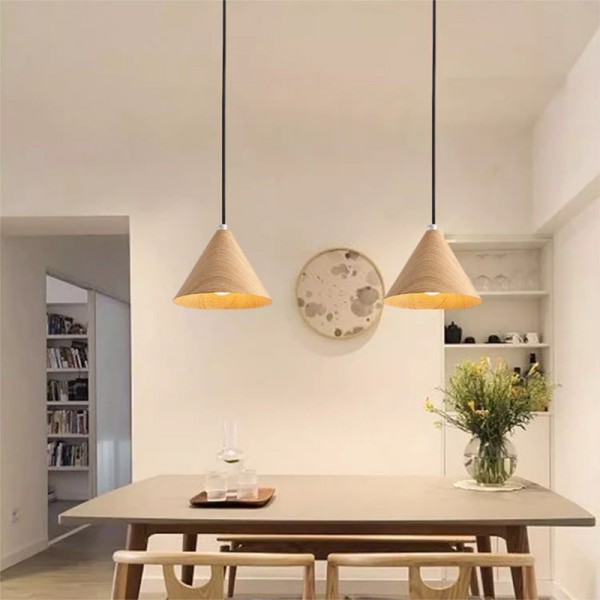
What lighting choices make a room feel Scandinavian?
Scandinavian lighting is all about soft layers. Instead of relying on one ceiling fixture, the style uses
multiple light sources pendant light for ambient, table lamps for coziness, floor lamps for corners so the room glows from
different heights.
Next, use this simple lighting stack:
- Ambient: a pendant, ceiling light, or bright floor lamp (uplight helps bounce light).
- Task: a reading lamp near seating, a desk lamp at the workspace.
- Accent: a small lamp on a sideboard, a warm corner light, or gentle shelf lighting.
- Do: Choose warm or warm-neutral bulbs for living spaces.
- Do: Use diffused shades (paper, fabric, frosted glass) for softer light.
- Avoid: A single harsh overhead that flattens the room.
What decor and accessories fit Scandinavian design (without clutter)?
Yes, decor belongs in Scandinavian interior design style—but it should be intentional,
not excessive. The goal is “fewer, better, well-placed.”
Next, think of decor as punctuation, not paragraphs:
- Art: simple prints, calming photography, abstract forms in neutral palettes.
- Ceramics: a few matte vases or handmade bowls.
- Greenery: one healthy plant is better than five struggling ones.
- Textile accents: a throw and two pillows can be enough if the materials are beautiful.
A helpful rule: if a surface looks “busy,” remove one item. If it looks “empty,” add one meaningful piece.
What are real Scandinavian design examples you can copy?
There are 5 easy Scandinavian design templates you can copy room-by-room: living room calm, bedroom cocoon,
kitchen clarity, home office focus, and entryway simplicity. Each template uses the same Scandi foundation light, function,
natural materials, edited decor just applied differently.
Next, use these examples as “blueprints,” then personalize them with items you already love.
What does a Scandinavian living room look like?
A Scandinavian living room typically centers on a neutral sofa, light wood accents, a textured rug, and layered lamps—so it
feels airy in the daytime and cozy at night.
- Base: neutral sofa + light wood coffee table.
- Texture: wool rug, linen pillows, one throw.
- Lighting: one floor lamp + one table lamp (minimum).
- Decor: one simple art piece + one plant + one ceramic accent.

What does a Scandinavian bedroom look like?
A Scandinavian bedroom looks calm and restorative: simple furniture, soft bedding layers, warm bedside lighting, and minimal
visual noise so the room supports sleep and relaxation.
- Bedding: crisp neutrals + one warm textured layer (waffle, knit, linen).
- Nightstands: simple, functional, not oversized.
- Lighting: two bedside lamps or wall lights for symmetry and softness.
- Clutter control: closed storage or baskets to keep surfaces calm.
What does a Scandinavian kitchen look like?
A Scandinavian kitchen emphasizes clarity: minimal countertop clutter, functional lighting, simple cabinetry, and warm wood
touches that keep the space welcoming rather than sterile.
- Surfaces: keep counters mostly clear; use one tray to corral essentials.
- Materials: light wood stools, cutting boards, simple ceramics.
- Lighting: bright task lighting over prep zones; warm ambient light for evenings.
What does a Scandinavian home office look like?
A Scandinavian home office is focused and visually quiet: a clean desk, an ergonomic chair, a strong task lamp, and storage
that hides distraction—so work feels lighter and more doable.
- Desk zone: one monitor or laptop setup, one notebook, one pen cup.
- Lighting: a task lamp plus a soft ambient lamp for late afternoons.
- Backdrop: neutral wall or simple shelf with curated items, not clutter.
- Material cue: warm wood desktop or wood shelf to soften the space.
What does a Scandinavian entryway look like?
A Scandinavian entryway is small but mighty: a bench or slim console, a hook rail, a basket for shoes, and a mirror to bounce
light so the home feels organized the moment you walk in.
- One landing zone: tray for keys + one basket for daily items.
- One storage solution: closed shoe cabinet or baskets.
- One light source: wall sconce or small lamp for a warm welcome.

How can beginners create Scandinavian style without remodeling?
You can create Scandinavian interior design style without remodeling by following a 7-step refresh:
declutter, brighten, introduce light wood, layer texture, add soft lighting, edit decor, and finish with greenery.
To begin, treat this like a weekend reset—not a total reinvention. Small changes in light, texture, and editing often create
the biggest Scandi transformation.
- Declutter first (the fastest upgrade).
Remove items that don’t support the room’s purpose. Clear one surface completely, then rebuild it with only what matters. - Brighten your palette.
If walls are dark, consider a lighter paint or add brightness through textiles (light rug, light curtains, light bedding). - Add light wood (or wood tones).
A wood side table, stool, shelf, or tray instantly warms neutrals and signals Scandinavian style. - Layer texture, not clutter.
Add one wool/knit throw, one textured pillow, and one rug. Keep the palette quiet so texture can do the work. - Layer lighting.
Add at least two lamps in your main living space. Soft light in corners makes the whole room feel calmer and brighter. - Edit decor with the “one-in, one-out” rule.
If you add a vase, remove another object. If the shelf looks busy, remove one item and add visual “air.” - Add one healthy plant.
A single thriving plant brings life to neutral rooms and softens clean lines.

What is Scandinavian design NOT and how do you avoid common mistakes?
Scandinavian design is not cold, empty, or “white-on-white forever” and you can avoid the most common Scandi
mistakes by balancing warm vs cold, minimal vs empty, and calm vs boring.
Next, use these quick “antonym fixes” to keep Scandinavian interior design style looking elevated and personal instead of
bland or copy-paste.
Scandinavian vs Nordic vs Danish Modern – what’s the difference?
Scandinavian design is often used as an umbrella term for Nordic-inspired interiors, while “Nordic” is sometimes used
interchangeably in lifestyle content. “Danish Modern” typically refers to a more specific design heritage and furniture
tradition that leans into refined craftsmanship, iconic silhouettes, and mid-century influence.
Next, here’s a simple way to think about it:
- Scandinavian interior design style: today’s popular “warm minimal” look (light, calm, functional).
- Nordic: a broader regional label that may include more rustic or contemporary variations.
- Danish Modern: a more specific furniture-forward vibe with iconic forms and craftsmanship emphasis.
Why does “Scandi” sometimes look sterile and how do you fix it fast?
“Scandi” looks sterile when the room has too many cool whites, not enough texture, and
harsh lighting so it feels flat and clinical instead of calm and cozy.
To fix it fast, do these three upgrades:
- Warm the light: switch to warmer bulbs and add a lamp in a dark corner.
- Add texture: one wool throw + one textured rug creates instant depth.
- Add warm wood: a wood tray, stool, or side table can shift the mood immediately.
How do you make Scandinavian design more personal (not copy-paste)?
Make Scandinavian interior design style personal by adding meaningful pieces not more pieces.
Choose one or two items that tell your story: a travel print, a family photo in a simple frame, a handmade ceramic bowl,
a favorite book stack, or a vintage chair with great lines.
Next, use this “personalization filter”: if it adds warmth or meaning and still supports the room’s function,
it belongs. If it adds visual noise, it doesn’t.
Is Scandinavian design sustainable by default?
No! Scandinavian design isn’t automatically sustainable. It becomes more sustainable when you prioritize
longevity, durable materials, and buying fewer, better pieces that you
keep for years rather than cycling through trends.
Next, if sustainability matters to you, choose:
- Quality over quantity: one solid sofa you keep is better than repeated replacements.
- Natural materials: wood, wool, linen often age better than cheaper synthetics.
- Repairable pieces: furniture with replaceable parts and timeless silhouettes.
Articles on the same topic:
-

What Size Pendant Light for Living Room? Dimensions Height Guide
-

Outdoor Covered Patio Lighting Ideas That Actually Work
-

How to Remove a Fluorescent Light Cover (Lens) Safely: Tabs, Clips, and Sliding Diffusers
-

How Many Pendant Lights Over a 5 Foot Island? The Definitive Spacing & Sizing Guide
-
Set the Perfect Chandelier Height Above Dining Table: Inches, Ceiling Rules & Sightlines
-
How to Add Lighting to a Room Without Wiring With 10 Smart Solutions