

2700k vs 3000k kitchen: Which Color Temperature Best Highlights Luxury Countertop Materials?
When you invest in high-end materials like marble, quartz, or granite, the light reflecting off those surfaces matters. The Kelvin scale measures the Correlated Color Temperature (CCT) of your bulbs. To the naked eye, the difference is noticeable.
A 2700K bulb emits a warm yellow or orange glow. In contrast, 3000K is a slightly more pure, neutral white color. You might wonder, what is the difference between soft vs warm white light when applied to these surfaces?
Luxury countertops benefit from specific light behaviors. For example, white marble with gray veining looks stunning under 3000K. This temperature creates a crisper appearance that prevents the stone from looking dingy.
Conversely, if you have a kitchen with deep wood tones and gold accents, 2700K promotes relaxation and brings out the warmth in those materials. Understanding the spectral power distribution helps explain why 3000K feels more energizing while 2700K feels cozier.
| Feature | 2700K LED | 3000K LED |
|---|---|---|
| Hue | Yellow/Orange | Neutral/Crisp White |
| Resembles | Incandescent bulbs | Halogen bulbs |
| Visual Effect | Soft and Intimate | Clean and Functional |
| Best For | Traditional Wood Finishes | Modern White/Gray Cabinets |
3000K is soft white and it provides better visibility. If your light is too warm, your high-end finishes may appear washed out with a yellow hue.
This is why many residential lighting design experts suggest 3000K for modern spaces. It offers the best balance for modern kitchens by maintaining a warm feel without sacrificing the clarity needed for visual tasks.
Why 3000K is the Preferred Standard for Modern Kitchen Task Lighting
Kitchens are primarily workspaces. High-intensity task lighting is a mechanical necessity for safety and precision. 3000K improves visual acuity. It allows you to see the fine details on your luxury countertop while you chop vegetables or read a recipe. 3000K provides a functional, clean look that professional chefs and home cooks alike appreciate.
Because 3000K is a crisper alternative, it has less of a yellow hue. This makes it a great choice for under-cabinet task lighting. 3000K enhances food colors. When you prepare fresh produce, you want to see the vibrant reds and greens accurately.

A neutral white light ensures that food color representation remains faithful. Many homeowners find that 3000K balances warmth and clarity perfectly, avoiding the blue, intense, or clinical feel of higher Kelvin ratings.
In a contemporary kitchen design, 3000K suits modern aesthetics perfectly. It pairs well with stainless steel appliances and minimalist hardware. It provides a clean look for cooking without being cold, stark, or sterile.
Most people find 3000K is still well within the range of warm white color temperatures. It is unlikely that you feel the lighting is too harsh if the manufacturer specifications are consistent.
When to Choose 2700K for Traditional and Warm-Toned Kitchen Designs
Not every home needs a crisp white light. If your kitchen is part of a very open, cozy living space, 2700K might be the better fit. 2700K resembles incandescent bulbs. It creates a very nice and warm atmosphere.
If your goal is to promote relaxation and create an intimate environment, this temperature is superior.
If you have a traditional kitchen with warmer wood tones like oak or walnut, 2700K fits those tones beautifully. It creates an intimate and warm atmosphere. For those who want to promote relaxation in an open-concept layout, 2700K is a great choice.
However, be aware that 2700K appears yellow. On a white quartz countertop, this can make the surface look slightly aged or washed out. Traditional incandescent light bulbs emit light at approximately 2700 degrees Kelvin, so this choice preserves that classic heritage.
The Importance of Color Rendering Index (CRI) Over Kelvin Temperature
Regardless of whether you choose 2700k vs 3000k kitchen lights, the Color Rendering Index (CRI) is vital. High-end LED fixtures should have a CRI of 90 or higher. A high CRI improves color accuracy. It ensures that the rich colors of your luxury countertops and fresh ingredients are presented faithfully.
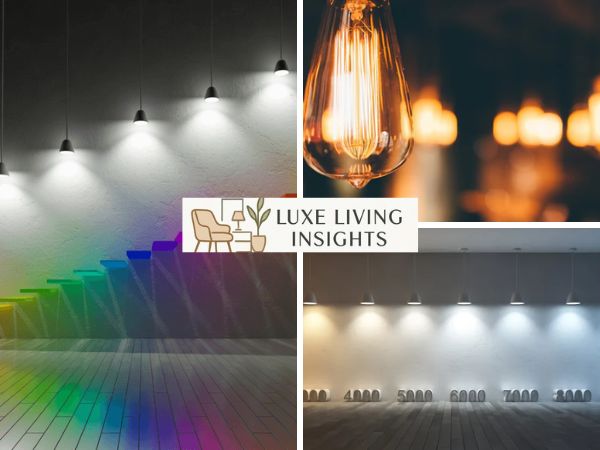
A low CRI value can cause objects to appear washed out and dull. You might think your 2700K bulb is too yellow or dingy, but the real culprit is often a low CRI rating. High CRI renders accurate finishes. This is especially important for luxury countertops where you want to see the natural depth of the stone.
3000K is soft white, but a low CRI 3000K source will still not present colors of objects faithfully. If you install lights in a bathroom or kitchen for better visibility, always specify high CRI to achieve the improved color accuracy you desire.
A Hybrid Approach: Balancing Task Visibility and Ambient Comfort
You do not have to choose just one temperature. A common, effective strategy is the hybrid approach. This combines different temperatures to maximize both function and mood. For a deeper look at overall layouts, check out our ultimate guide to kitchen & dining lighting.
You might choose to use 3000K LED strip lights for an under-cabinet installation to illuminate your countertops. These provide the high-intensity task lighting needed for work. At the same time, you can use 2700K LED bulbs for ambient lighting in decorative pendants over the kitchen island.
If you are planning an island setup, you might ask how many pendant lights over a 5 foot island are needed to achieve this balance.
The two color temperatures can blend fairly well in a single space without aesthetic concerns. When layered correctly, the result is a cohesive look. Dimmers also help bridge the gap.
Installing dimmer switches allows you to use 3000K at full strength during the day and lower the intensity for a warmer, more relaxed vibe in the evening. This flexibility allows your kitchen to transition from a functional workspace to a social hub seamlessly.
Adjusting Your Kitchen Environment for Nighttime and Wellness
Modern lighting affects our health. Blue light has been shown to suppress the production of melatonin. This hormone promotes relaxation and sleep. 2700K contains less blue light than 3000K, making it a melatonin-friendly profile for late-evening hours. Light exposure prior to bed can significantly impact sleep quality.

The relative amount of blue light content in 3000K is slightly higher, which can keep you more alert and awake. However, 3000K remains well within the warm white range. It is not as intense as smartphone screens, which are often calibrated to 6500K. 3000K balances warmth and clarity.
To minimize the blue light hazard, you can use dimmable LED fixtures to reduce brightness as you approach bedtime. This ensures your circadian rhythm remains undisturbed while still enjoying the crisp aesthetics of 3000K during the day.
Frequently Asked Questions
What is the primary visual difference between 2700K and 3000K in a kitchen setting?
The primary difference lies in the hue and perceived clarity of the light. 2700K provides a warm, yellow-orange glow that mimics traditional incandescent bulbs, creating a cozy and intimate atmosphere.
In contrast, 3000K offers a crisper, more neutral white light. This higher temperature reduces yellow undertones, making it appear cleaner and more functional for task-oriented environments.
Why is 3000K often recommended for kitchen countertops and task areas?
3000K is recommended for workspaces because it improves visual acuity and color rendering. The neutral white light provides better contrast for detailed tasks such as food preparation, reading recipes, and cleaning.
It enhances the natural colors of food and keeps luxury finishes, like white marble or stainless steel, from appearing dull or overly yellow.
Can 2700K and 3000K light sources be used together in the same kitchen?
Yes, a hybrid lighting strategy is a highly effective design choice. Homeowners often use 3000K for high-intensity task lighting, such as under-cabinet LED strips, to ensure visibility on countertops.
Simultaneously, 2700K bulbs can be used in decorative pendants or ambient ceiling fixtures to maintain a warm, inviting mood. When layered properly, these two temperatures provide a cohesive and versatile lighting environment.
How does the Color Rendering Index (CRI) affect the choice between these two temperatures?
The Color Rendering Index (CRI) is as important as the Kelvin rating for maintaining aesthetic quality. A high CRI of 90 or above ensures that colors are rendered accurately and vibrantly.
If a bulb has a low CRI, the light may appear dingy or washed out regardless of whether it is 2700K or 3000K. For luxury countertops, a high CRI is essential to highlight the true depth and detail of the material.
Articles on the same topic:
-

Wiring 3 Pendants to One Junction Box: DIY Guide
-

Calculating Lumens for High Vaulted Ceilings
-

PILLAR: Ultimate Guide to Kitchen & Dining Lighting
-

When Were Chandeliers Invented? A Deep History of Luxury Lighting
-

How to Take LED Lights Off the Wall Without Damaging Your Walls
-

What Size Pendant Light for Living Room? Dimensions Height Guide