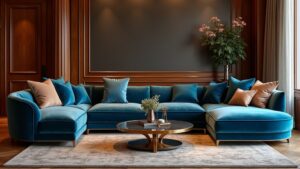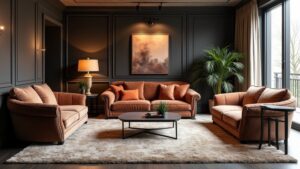
Quick Answer: What Defines Luxury Sofa Construction?
- A high-quality sofa uses kiln-dried hardwood frames (oak, maple, walnut)
- The strongest joints are mortise and tenon, not staples or glue alone
- 8-way hand-tied springs provide the best long-term comfort and durability
- High-resiliency foam (2.5+ lb/ft³) prevents sagging over time
- Look for corner blocks and reinforced joints for stability
Understanding luxury sofa construction is essential for any high-end interior. This guide explores kiln-dried hardwood frames, mortise and tenon joints, and 8-way hand-tied springs. Learn how bespoke furniture craftsmanship and structural integrity define a true heirloom piece for your home.
How to Identify a High-Quality Sofa Frame Construction
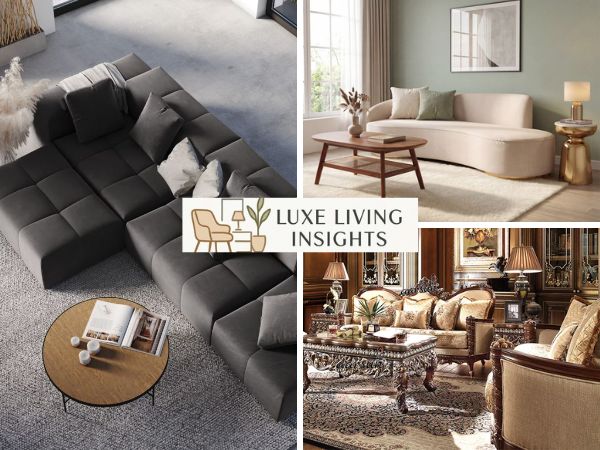
When you invest in high-end furniture, you aren’t just buying a silhouette; you are purchasing high-end furniture engineering. The foundation of any luxury sofa is its frame. Hardwood frames prevent structural sagging, making them the undisputed gold standard of the industry.
Unlike mass-market options, a luxury sofa frame is built from kiln-dried hardwood such as oak, maple, beechwood, or walnut. Many stunning luxury design sofas for your home rely on these robust materials to maintain their defining feature over decades.
The process of kiln-drying stabilizes hardwood by reducing the furniture moisture content to a precise 6% to 8%. This is a mechanical necessity because moisture affects wood stability. If the wood is too bold or damp, it will eventually warp, bow, or crack as it acclimates to your home’s climate.
Solid oak resists warping, ensuring that the sofa frame durability remains intact. Whether you are looking at modern luxury sofa designs for your living space or traditional styles, the frame determines the furniture stalwart status.
A luxury sofa typically incorporates hardwood rails that are at least 1.25 inches thick. When evaluating a piece, the weight test is a reliable indicator of quality. Furniture-grade lumber is significantly heavier than the plywood vs hardwood alternatives found in budget stores.
While some high-end brands use marine-grade plywood for specific curved shapes, the structural integrity of sofas usually relies on solid ash wood or maple to provide a silent, sturdy seating experience. A frame that uses kiln-dried wood is the first step in ensuring a luxury sofa lifespan of 20+ years.
The Art of Joinery: Ensuring Structural Longevity
A frame is only as strong as its weakest point, which is almost always the connection between two pieces of wood. In premium furniture manufacturing, artisans assemble custom frames using interlocking strength rather than simple metal fasteners.
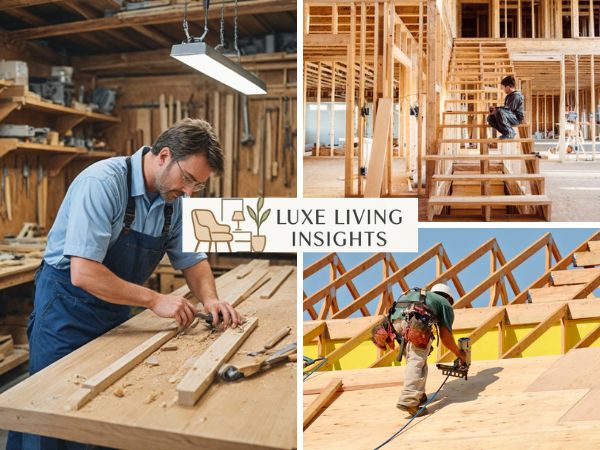
Mortise and tenon joints are the hallmark of bespoke furniture craftsmanship. In this system, a joint utilizes mortise tenon geometry where one piece of wood inserts into a carved hole in another, creating a bond that actually strengthens under pressure.
To further ensure furniture longevity, manufacturers employ double-doweled joints. Here, industrial glue bonds double dowels into precisely drilled holes. This precision milling creates joint components that are virtually inseparable. Furthermore, corner block stability is vital.
Manufacturer reinforces corner blocks by placing extra blocks of wood at every 90-degree angle. These corner blocks strengthen frame angles and are glued and screwed to prevent the frame from racking or wobbling. For those seeking stunning luxury handmade sofas for your dream home, these intricate carvings and reinforcements are mandatory.
| Component | Material/Method | Purpose |
|---|---|---|
| Main Rails | Kiln-dried Maple | Structural integrity |
| Joints | Mortise and Tenon | Maximum load bearing |
| Reinforcement | Double Dowel | Flex resistance |
| Corner Blocks | Glued and Screwed | Prevents wobbling |
Another detail of luxury seating components is how the legs are attached. In the highest tier of construction, sofa legs feature an integrated attachment. This means the leg is actually part of the frame rail itself, rather than a separate piece screwed in later. This design dictates frame silhouette and ensures that weight distribution impacts frame stress evenly across the entire structure.
Internal Support Systems: Beyond the Visible Frame
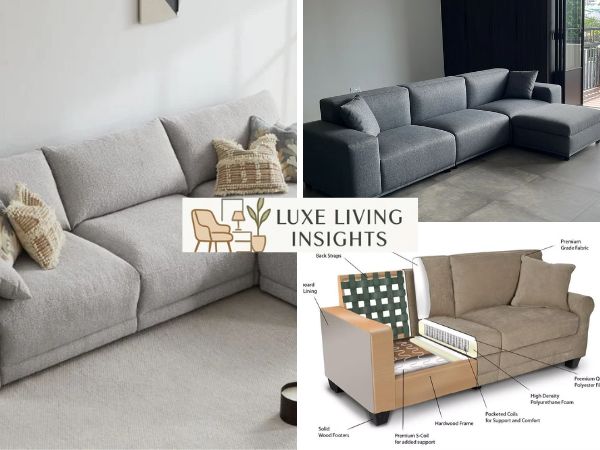
If the frame is the skeleton, the support system is the muscle. The eight-way hand-tied springs method is the pinnacle of sofa support systems. In this labor-intensive process, a master craftsman uses tempered steel coils and manually ties them in eight different directions using high-quality twine.
Because an artisan ties steel springs, the springs absorb seating pressure independently, preventing the roll-together effect often felt on cheaper couches. This is a common feature in premium luxury sofas for an elegant home.
For sleeker, more modern profiles, sinuous spring engineering is often used. These 8-gauge steel S-shaped wires are stretched across the frame. While simpler than hand-tied coils, in a luxury sofa, sinuous springs provide flexible support and are spaced closely together to prevent sagging.
Steel webbing or Italian Elasbelt often underlays coil system structures to provide a secondary layer of protection. Webbing anchors coil springs, ensuring that the frame supports weight load without the components shifting over time.
Premium Padding and Layering Components
The comfort of a luxury sofa comes from the layers wrapped around the hardwood upholstery frames. High-resiliency (HR) foam is the standard for the cushion core, boasting a density of at least 2.5 lb/ft³.
Because high-density foam maintains sofa shape, your cushions won’t develop permanent craters after a few months of use. This structural attention is even found in smaller pieces, such as luxury 2 seater sofas for an elegant home.
To achieve a refined appeal, these foam cores are often wrapped in natural latex or a down wrap. A down wrap softens foam cores, providing that signature sink-in feeling associated with high-end furniture.
The padding wraps structural frame edges as well, often using polyurethane foam or dacron wraps to ensure the fabric never touches the hard wood directly. This prevents premature wear on the upholstery fabric.
Material Sustainability and Craftsmanship Standards
Today’s luxury consumer values ethical sourcing. FSC-certified wood like mahogany or teak ensures that the furniture wood comes from sustainable forests. Furthermore, luxury construction ensures product longevity, which is the ultimate form of sustainability.
In terms of health, premium materials include low-VOC varnishes and water-based adhesives. These non-toxic assembly choices ensure your home remains free of harmful off-gassing. When you choose a bench-made process, you are supporting a tradition where quality determines sofa heirloom-status.
Finally, always look for a lifetime limited warranty. A warranty covers frame integrity, providing peace of mind that your investment is protected against joint failure or structural sagging.
High-end brands like Restoration Hardware and Herman Miller are known for using kiln-dried hardwood frames and premium upholstery techniques, reinforcing industry standards for durability and craftsmanship.
How to Tell If a Sofa Is High Quality (Buyer Checklist)
Before buying a sofa, use this quick checklist:
- Frame: Ask if it’s kiln-dried hardwood (avoid softwood or particleboard)
- Joinery: Look for mortise and tenon or doweled joints (not staples)
- Support system: 8-way hand-tied or high-quality sinuous springs
- Cushion: High-resiliency foam (2.5+ density or higher)
- Weight: Heavier sofas usually indicate better materials
- Warranty: A strong frame warranty (10+ years or lifetime)
Red Flags to Avoid:
- Lightweight frames
- Stapled joints
- Low-density foam cushions
- No warranty or unclear materials
Frequently Asked Questions About Luxury Sofa Construction
What defines a Chesterfield sofa compared to other luxury styles?
A Chesterfield sofa is distinguished by its deep button-tufting and even-height arms and backrest. Traditionally upholstered in leather with nailhead trim, this 18th-century design remains a symbol of rich opulence. Its tightly rolled arms and structured form make it a defining feature of formal interior spaces.
Why is a Lawson sofa considered better for lounging than a Tuxedo sofa?
The Lawson sofa is engineered for comfort with plush cushions and scroll arms that are lower than the backrest. In contrast, a Tuxedo sofa features even-height square arms and a structured form that encourages the sitter to sit upright. While the Tuxedo is eternally sophisticated, the Lawson’s generous proportions make it the comfortable addition for casual relaxation.
What are the benefits of a Mid-Century Modern sofa frame?
A Mid-Century Modern sofa is loved for its playful and forward-thinking style. These frames typically feature a blocky silhouette and simple frame construction, often supported by tapered wooden legs. Characterized by shallow button tufting and bolster end cushions, this style offers a retro aesthetic that fits perfectly in classic contemporary homes.
How does a Knole sofa’s construction differ from modern corner sofas?
The Knole sofa is a descendant of the original 17th century design, featuring unique sides which drop down like leaves and corded ties. It was originally a throne-like sofa for monarchs. Conversely, a corner sofa is a mainstay of modern interiors designed for flexibility.
It uses composite elements and a modular structure to elongate and wrap around corners, offering a barely-there structure compared to the Knole’s grandeur.
What is the best sofa construction method?
The best sofa construction typically includes a kiln-dried hardwood frame, mortise and tenon joints, and an 8-way hand-tied spring system. This combination offers maximum durability and long-term comfort.
How long should a high-quality sofa last?
A well-built sofa can last 15–25 years, depending on materials and usage.